
Let’s be honest: if you’re choosing this trail, you’re not here for the easy option.
This is the long way. The quiet way. The route that doesn’t rush, doesn’t shout, and doesn’t give itself away immediately. And that’s exactly the point.
The Choquequirao to Machu Picchu Trail isn’t about shortcuts or highlights. It’s about immersing yourself into mountains that are believed to be alive, ruins that still feel purposeful, and a journey that asks for just a bit more before it gives a lot back.
Curious? Good. This trail tends to reward that.
Table of Contents
The Andes As A Living World
In Andean culture, the landscape doesn’t just sit there looking pretty. Mountains aren’t just piles of rock. Rivers aren’t just bodies of water. Everything has spirit, intention, and energy.
This view of the world changes how the trail feels from the very first step.
You’re not conquering terrain. You’re moving through it. You’re a visitor, not the boss. And once that idea clicks, the trek becomes less about distance and more about connection with the earth.
That’s why local guides speak to the mountains, why offerings still happen today, and why many trekkers feel an unexpected sense of calm, or sometimes intensity, on certain sections of the route.
Understanding The Apus: Guardians Of The Trail
Apus are sacred mountain spirits, believed to protect the communities, travelers, crops, and animals that surround them. Each major peak has its own personality and role.
Some Apus are considered gentle protectors. Others are strict. Some are associated with weather, others with fertility or strength.
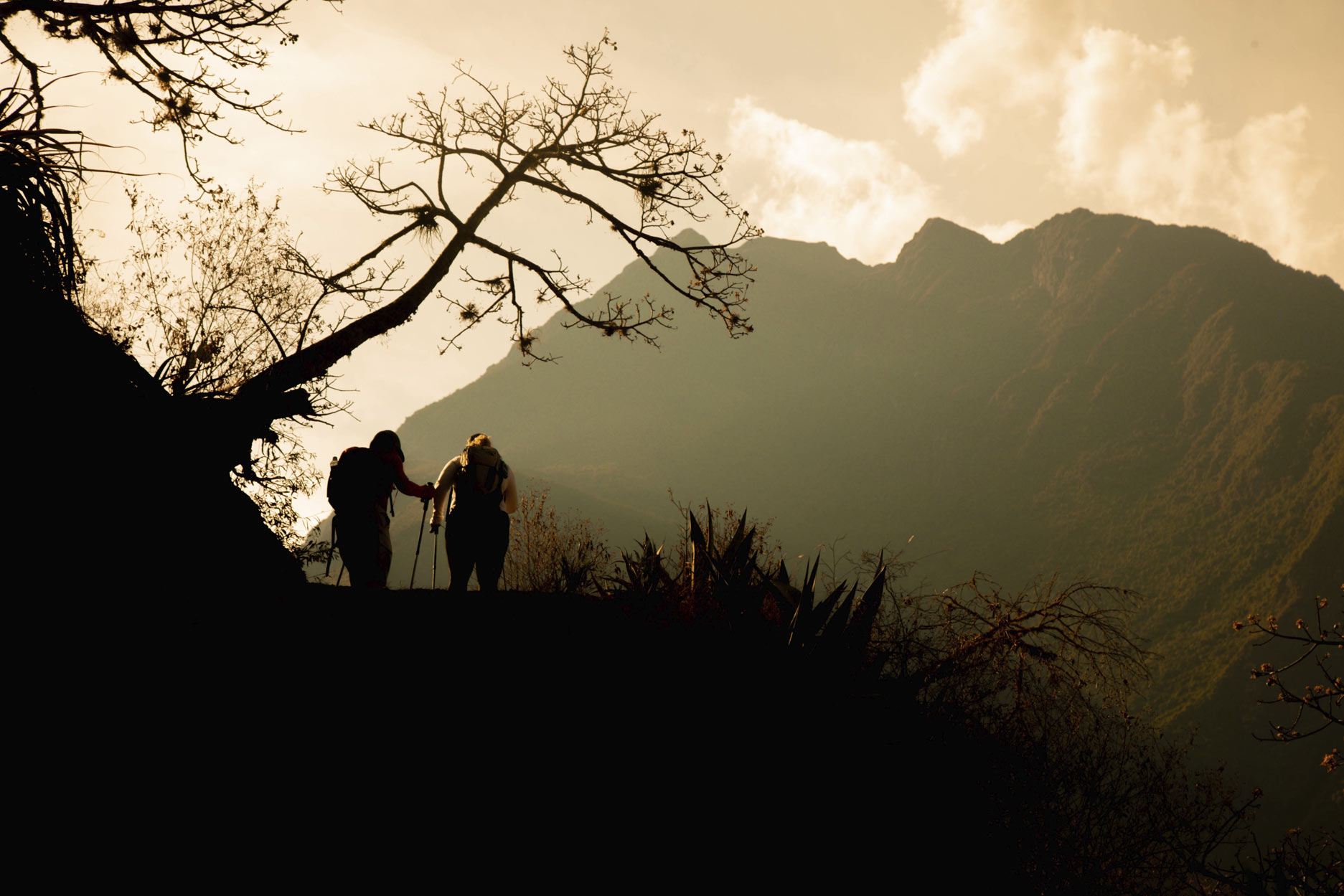
As you hike, you pass through the territory of several powerful Apus. High passes are especially important. These are places where energy shifts, where people traditionally pause, reflect, and show respect. You feel something up here that’s hard to explain.
It’s not uncommon for trekkers to feel emotional at these points and for what seems like no obvious reason. That’s not altitude talking. That’s the trail doing what it’s always done.
Choquequirao: A City Built For Ceremony
Choquequirao isn’t just impressive because of its size. It’s impressive because of why it was built.
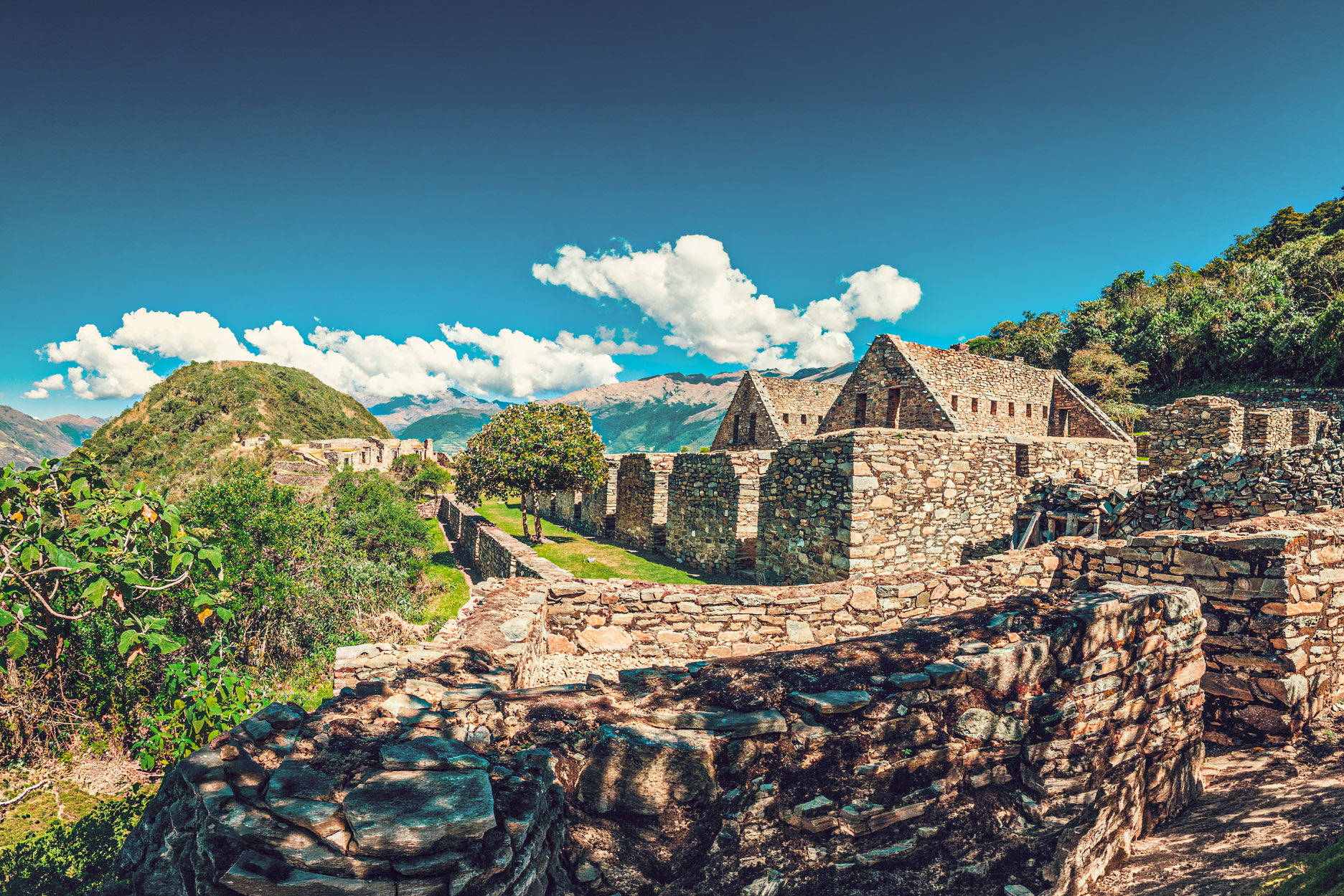
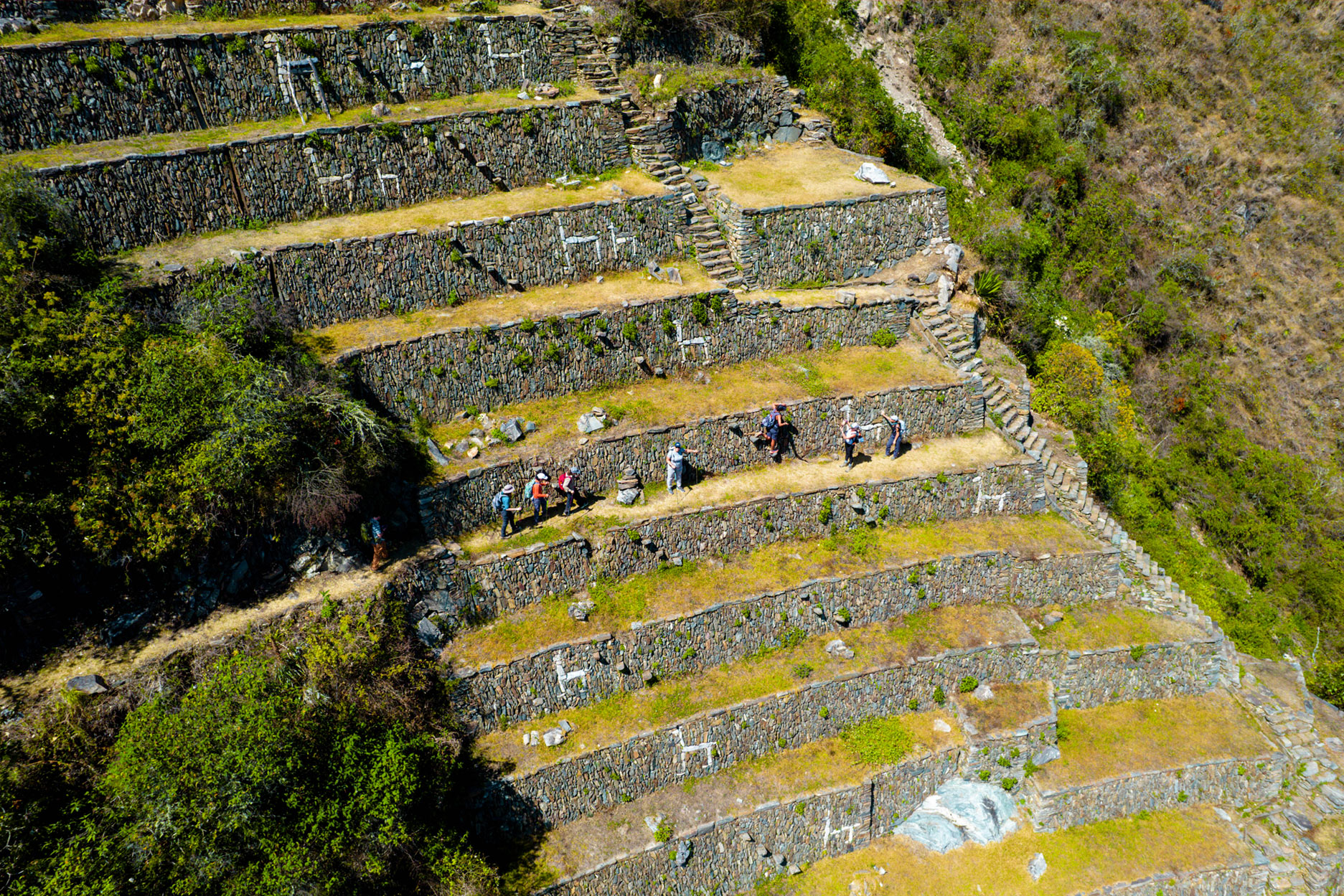
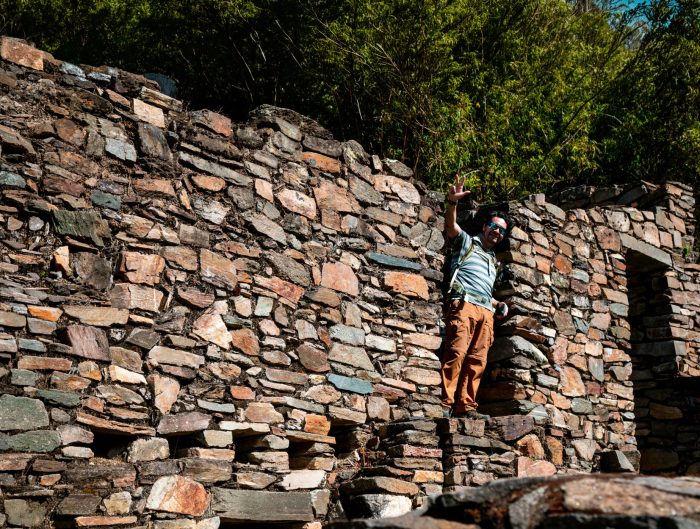
This was a place of ritual, power, and preparation. Its temples, plazas, and terraces were carefully aligned with the sun, surrounding mountains, and seasonal cycles. Nothing here was done by accident.
The famous terraces featuring stone figures are thought to represent offerings or processions. The water channels weren’t just practical, they were symbolic, reinforcing the sacred role of water in Andean belief.
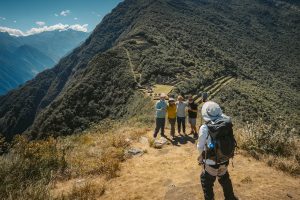
Standing in Choquequirao, surrounded by cloud forest and silence, it’s clear this wasn’t a city meant for crowds. It was meant to mean something.
The Apurímac Valley: Descent And Rebirth
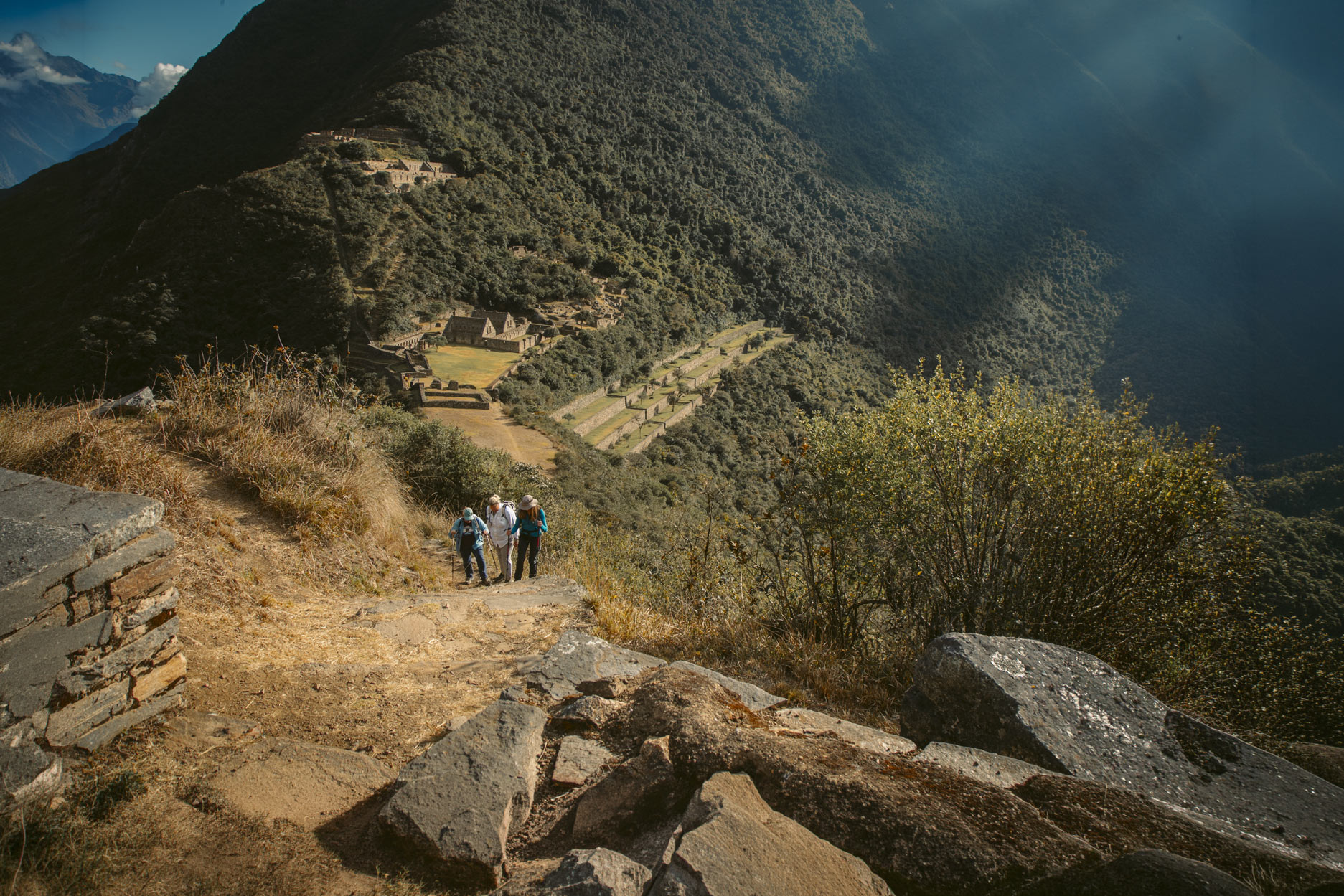
The dramatic descent into the Apurímac Valley is one of the most physically demanding parts of the trek, and symbolically, one of the most important.
Descending into a valley often represents introspection, challenge, and letting go of negativity. You leave the heights, face heat and effort, and then climb again, renewed.
The Apurímac River below is powerful, loud, and relentless. Water like this isn’t just a natural force, it’s a cleanser. A reminder of movement and change.
By the time you climb out the other side, most trekkers feel like they’ve crossed more than just a river.
Pachamama: Practicing Gratitude
Pachamama, or Mother Earth, sits at the heart of Andean spirituality and beliefs. She provides food, shelter, and life, so it’s important to thank her.
Offerings don’t have to be elaborate, either. A few coca leaves. A quiet thought. A moment of respect before a hard climb.
Along the trail, you’ll notice that these gestures are part of daily life. They’re not performances. They’re habits that have been passed down through generations.
For trekkers, this mindset helps you do something rare in modern day life. We’re talking about slowing down. Paying attention. Appreciating what the land gives rather than focusing on what it takes.
Ancient Roads And Intentional Design
Long before trekking routes existed, these paths were part of a vast Andean road network (Qhapaq Ñan) that connected cities, agricultural centers, and ceremonial sites.
Paths were designed to follow natural lines of energy, avoid unnecessary disruption, and create harmony between humans and the environment.
Even today, the trail feels intentional. Long, steady climbs. Strategic campsites. Natural viewpoints that invite you to pause and reflect.
It’s no coincidence. The Incas knew exactly what they were doing.
The Role Of Silence On The Trail
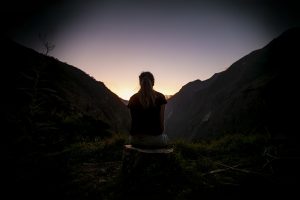
One of the most powerful elements of this trek isn’t something you’ll find on a map. It’s silence.
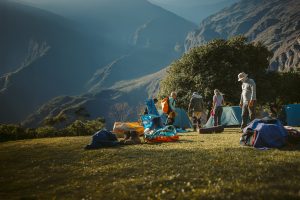
Long stretches pass without seeing any other groups. Camps feel remote. Nights are filled with wind, water, and stars rather than loud voices and lights.
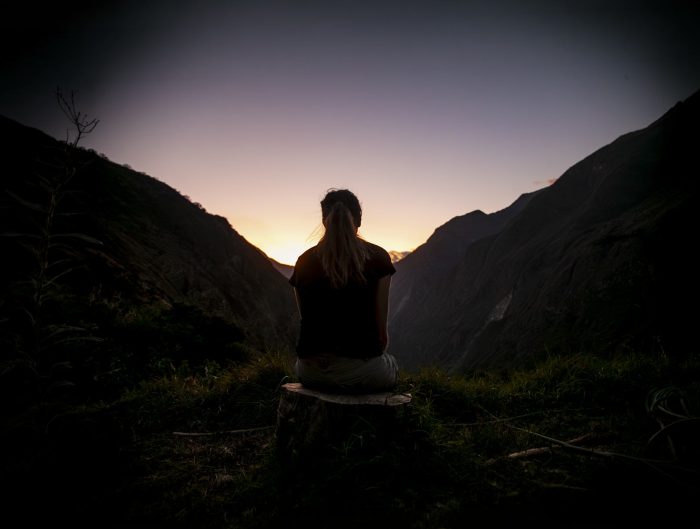
In that quiet environment, people reflect. Big life questions tend to show up somewhere between the third steep climb and the fifth sunrise.
It’s not dramatic. It’s just honest. And it’s one of the reasons this trail stays with people long after they leave.
Machu Picchu: A Different Kind Of Arrival
Reaching Machu Picchu after many days on the trail feels very different from arriving by train for the day.
You don’t just see it, you understand it.
You’ve walked through the spiritual landscape that shaped it. You’ve felt the scale of the empire. You’ve earned this unique perspective.
Machu Picchu stops being an isolated wonder and becomes part of a much bigger story, and one you’ve been walking through step by step.
Coca Leaves: Understanding This Sacred Plant
This Andean plant is often misunderstood, and has long been sacred to the Andean people. For thousands of years, coca has been used in the Andes for energy, focus, altitude support, and ceremonies. Chewed, brewed into tea, or offered to the mountains, coca is part of daily life on the trail.
You’ll often see guides pause before a big climb, select a few leaves, and offer them quietly to the Apus. It’s a meaningful moment in which they ask for strength, good weather, and safe passage.
For trekkers, coca becomes part of the journey. Not a boost. Not a shortcut. Just another reminder that this trail is rooted in tradition, not trends.
Weather As Communication, Not Inconvenience
In Andean belief, weather isn’t something that just happens. It’s a communication from the sky and Pachamama.
Sudden clouds, sharp winds, or unexpected sun are often interpreted as messages from the mountains. A reminder to be humble. To pay attention. To adjust your pace.
On the Choquequirao – Machu Picchu Trail, weather can change fast, but instead of fighting it, you learn to work with it. Layers on. Layers off. Short breaks. Longer pauses.
It teaches you to be flexible and go with the flow; a lesson that tends to follow trekkers home.
The Physical Challenge As A Mental Reset
There’s a reason long walks have always been used for reflection.
There’s no denying that days on this trail are demanding. Big climbs. Long distances. Early mornings. But somehow, that physical effort clears mental clutter.
With limited distractions, your thoughts settle. Problems shrink. Priorities become clearer.
After a couple of days, most people stop counting steps and start noticing small details, like the light on the mountains, the sound of rivers, the way conversations deepen after a hard day.
This isn’t accidental. Challenge has always been part of transformation.
Why Seeing Fewer People Makes A Bigger Impact
Unlike more famous routes, this trail remains relatively quiet, and that changes everything.
With fewer people about, you enjoy more wildlife sightings, more meaningful interactions, and more space to experience the landscape without noise or being in a hurry.
You develop a profound respect for the mountains, and they reward those who pack thoughtfully, tread carefully, and understand that preservation matters.
Done right, this trail feels untouched, not because it’s unknown, but because it’s protected.
Why This Trail Rewards The Right Approach
This route is demanding. It asks for preparation, patience, and respect for the environment and local culture.
But with the right knowledge and guidance, it becomes something truly special.
When logistics are handled, when history is shared naturally, and when there’s space to experience the trail rather than rush it, the journey unfolds the way it’s meant to.
This isn’t a trek to cut corners on. It’s a trek to do properly.
A Journey That Walks With You
The Choquequirao – Machu Picchu Trail doesn’t end when the hiking stops.
It stays in your legs (for days), your stories, and the way you remember special moments. It changes how you think about distance, effort, and what it means to truly arrive at a final destination.
This is a trail shaped by belief, protected by mountains, and refined by time. It asks for commitment, but it gives back in depth, perspective, and a sense of having been part of something much greater than a hike.
Walk it with care. Walk it with curiosity. And walk it in a way that lets you fully immerse yourself in history and the energy surrounding the region.
Some journeys are measured in miles. This one is measured in meaning.
Essential FAQs for the Choquequirao to Machu Picchu Trail
What are the “Apus” in Andean culture, and why are they important on this trek?
In Andean mythology, Apus are the sacred spirits of the mountains that protect local communities. They are considered living protectors and divine entities. On the Choquequirao to Machu Picchu trail, you walk under the gaze of powerful Apus like Salkantay and Padreyoc. Understanding their symbolism transforms a standard hike into a deep, spiritual pilgrimage through sacred landscapes.
What makes the Choquequirao – Machu Picchu trail unique compared to other treks?
This trek is the ultimate Inca route because it connects the two most important archaeological citadels in the region: Choquequirao (the “Sister City” of Machu Picchu) and Machu Picchu itself. It is a grueling yet profoundly rewarding trail that combines diverse microclimates, deep canyons, ancient history, and raw Andean energy, all while avoiding the heavy crowds of the classic Inca Trail.
How long is the Choquequirao to Machu Picchu trek and how many days does it take?
The classic expedition spans approximately 100 kilometers (62 miles). It typically takes 7 to 9 days to complete, depending on the specific itinerary and the pace of the group. It is an immersive endurance challenge that requires camping in remote Andean valleys and deep cloud forests.
What is the spiritual or energetic significance of Choquequirao?
Choquequirao is regarded by many spiritual travelers as a powerful energy center. Because it is only accessible by foot and sees few daily visitors, the site retains a raw, undisturbed spiritual energy. Its terraced architecture—including the famous “Flames of Sun” stone mosaics—was strategically built to align with cosmic cycles, mountain spirits, and solstice sun rays.
How difficult is the Choquequirao – Machu Picchu trek?
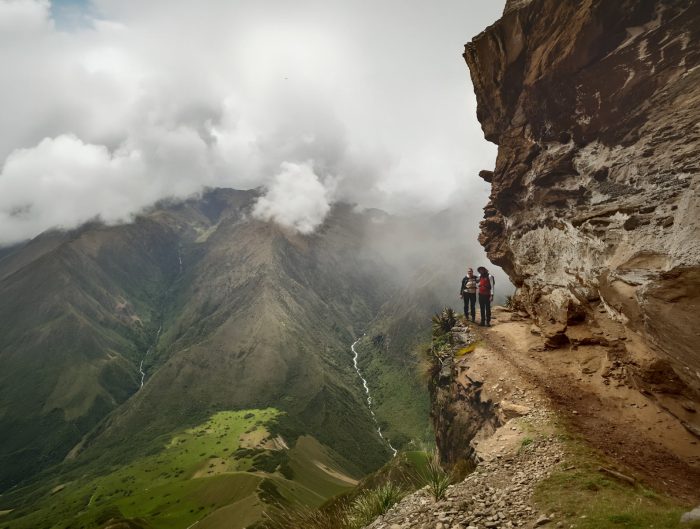
This route is widely considered one of the most physically demanding treks in Peru. It features massive, relentless elevation changes, including a steep drop into the scorching Apurímac Canyon followed immediately by a grueling ascent up the other side. Hikers must be in excellent physical condition and thoroughly acclimated to the altitude.
What traditional rituals or Andean customs might I experience on this trail?
Travelers often participate in a Haywarikuy (Pago a la Tierra), a traditional Andean offering to Mother Earth (Pachamama) and the Apus. Guided tours often include a local shaman or guide who leads a ceremony using coca leaves, asking the mountain spirits for safe passage and protection along the treacherous trail.
What is the maximum altitude reached on the Choquequirao to Machu Picchu route?
The highest point on this multi-day trek is the San Juan Pass (Abra San Juan), which sits at approximately 4,150 meters (13,615 feet) above sea level. While it is lower than some passes on the Ausangate or Salkantay treks, the sheer volume of daily ups and downs makes managing altitude acclimatization crucial.
Is it possible to hike the Path of the Apus without a guide?
While technically legal to hike independently, hiring a licensed guide is highly recommended. The trail is isolated, physically brutal, and lacks reliable emergency infrastructure. A local guide not only ensures your physical safety navigating the deep canyons but also serves as the vital cultural bridge needed to understand the deep symbolism and traditions of the path.
When is the best time of year to experience the spiritual energy of this trek?
The best window is during the Andean dry season, from May to September. The clear skies during these months offer unparalleled views of the sacred snow-capped peaks, making the sunrise and sunset rituals much more visually stunning and spiritually impactful. June is particularly special due to Cusco’s sun solstice festivities (Inti Raymi).
What special items should I pack for the cultural and physical demands of this trek?
Beyond high-altitude hiking gear (sturdy boots, trekking poles, thermal layers, and hydration systems), you should bring: a small pouch of fresh coca leaves (to offer to the Apus or share with local muleteers), strong bug spray for the warm canyon floors, eco-friendly soap to protect remote water sources, and cash in small Soles denominations to support the few remote communities you pass.
Related Articles

Leave A Reply