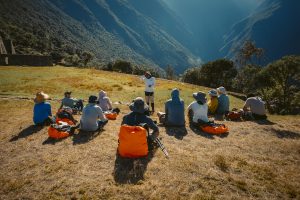

Some treks in Peru make a lot of noise. Permits. Packed campsites. Tight schedules. A steady stream of hikers marching to the same point at the same time. The Choquequirao Trek does the opposite. It stays quietly legendary, waiting just beyond the tourist radar like a secret the Andes never bothered to advertise.
Choquequirao is often called the “sister city of Machu Picchu,” but that nickname doesn’t fully capture what’s going on up there. Choquequirao is larger in area, more remote, and still being uncovered in parts. So it feels a little less like a monument and more like a discovery as you approach.
Getting there takes commitment. Expect steep descents into the Apurímac Canyon, long climbs back out, and days of trekking through changing ecosystems. The payoff? A massive Inca complex draped across a mountainside, wrapped in mist and silence, where the loudest thing might be your own “no way” under your breath.
Sounds pretty awesome, right? In this guide, you’ll discover just how incredible this place is and why you should experience it. You’ll also get some tips on when to travel and what to pack to get the most out of your trek. Let’s go!
Table of Contents
Why Choquequirao Feels Different
Choquequirao isn’t “a hike to some ruins.” It’s an expedition that earns the dramatic ending.
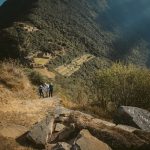
Along the trail, you’ll experience the Andes in all its forms:
- Sun-covered slopes that feel like a warm oven (in a charming way, if you can imagine that)
- Lush green valleys where orchids and ferns take over
- High ridgelines with huge views
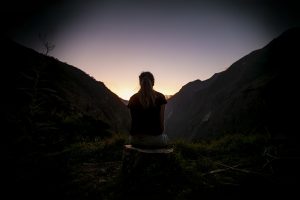
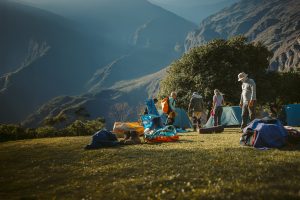
- Campsites so quiet that all you can hear is wind, water, and your own happy exhaustion
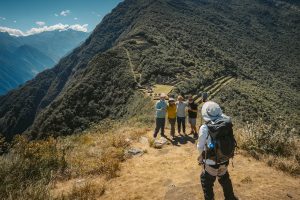
Then the ruins appear. You spy terraces down the mountainside, ceremonial plazas, stone stairways, and structures that hint at a city designed for power, refuge, and ritual. Many travelers describe the first real view of Choquequirao as a “wait… this is real?” moment. That’s the magic, and it’s iconic without being crowded.
Quick Choquequirao Route Overview
Most Choquequirao treks run 4 to 5 days round-trip (classic out-and-back) or 7 to 9 days if continuing on toward Machu Picchu via the Choquequirao–Santa Teresa route.
A classic 5 day out-and-back route often looks like this:
- Day 1: Drive to Capuliyoc + trek down toward the canyon
- Day 2: Cross the Apurímac River + climb toward Choquequirao
- Day 3: Full exploration day at Choquequirao
- Day 4: Descend back toward the river
- Day 5: Climb back up + return to Cusco
Longer routes add extra passes, remote camps, and eventually link up to the Machu Picchu region. That translates to more miles, more elevation gain, and more “how is this place empty?” moments.
How Hard Is The Choquequirao Trek?
Let’s keep it real. Choquequirao is demanding.
The difficulty isn’t technical. There are no ropes, no climbing, no mountaineering skills required. But it’s certainly physical with big elevation changes, long hiking days, and a canyon that can feel hot and relentless on descents. The trail often drops steeply and then asks you to gain it all back later, which we like to think as Choquequirao’s way of building character.
What helps the most:
- Strong hiking legs (especially for descents)
- Solid cardio endurance
- Comfort hiking multiple days in a row
- A steady pace and a sense of humor when steep hills multiply like rabbits
And how does Choquequirao compare to other treks?
- Often tougher than the classic Inca Trail (steeper and more remote)
- Frequently tougher day-to-day than Salkantay because of the canyon descent and climb cycle
- Less consistently high-altitude than Ausangate, but still a serious trek with long days
If the goal is “challenging but doable,” Choquequirao fits perfectly, especially with smart acclimatization up your sleeve.
Choquequirao vs. Peru’s Famous Treks
Want more insight into how it stacks up against some of Peru’s other renowned routes? Let’s see.
Inca Trail
The Inca Trail is polished and iconic. Seriously, it’s world famous. It includes restored stone paths, set campsites, permits that need to be secured months beforehand, and a big finish at the Sun Gate entrance to Machu Picchu. Choquequirao is the opposite vibe. Think wilder, quieter, and far less structured. There’s no permit lottery, and the “main event” is a huge site you can explore without crowds funneling everyone along the same narrow walkways.
Salkantay Trek
Salkantay is a fast-paced highlight reel of what the Andes has to offer, with glacial peaks, a dramatic pass, then warmer valleys and jungle as you descend toward Machu Picchu. Choquequirao is slow-burning epic. It builds suspense, stacks effort, and then reveals a massive archaeological complex that feels like you’ve stumbled onto something that’s still a big secret.
Ausangate Trek + Rainbow Mountain
Ausangate is high-altitude wilderness with fewer ruins and more raw mountain energy. Rainbow Mountain is a shorter, punchier experience (and usually pretty busy). You can combine the two in a longer hike. Choquequirao sits in a sweet spot: serious scenery plus serious archaeology, without the crowds.
If Machu Picchu is the headline, Choquequirao is the deep cut that could become everyone’s favorite track.
Choquequirao Trek Highlights
Every part of this trek is insane, but some moments and sights require an extra special mention:
- Watch Andean condors soar overhead.
- Wander through a range of climates, like the cooler Andes, hot canyon, and warm jungle.
- Pass through small Andean villages and see how the people live in such remoteness.
- Get a glimpse of many exotic animal species and plants, as well as coca leaf plantations.
- Discover Incan secrets, learn their history, and enjoy the pure beauty of this Inca archaeological complex.
Best Time To Trek Choquequirao: Season-by-Season
Choquequirao is doable year-round, but the experience changes a lot depending on the season. Weather affects visibility, trail conditions, river crossings, and, most importantly, how enjoyable those long climbs feel.
Dry Season (April To October)
This is peak trekking season in the Andes for good reason. Trails are generally firmer underfoot, days are clearer, and the chances of uninterrupted views are higher.
April
April is shoulder season in the best way. Rains are tapering off, the landscape stays lush and green, and flowers pop up along the trail. Showers can still happen, but they’re typically shorter and less intense than mid-rainy season. Perfect for travelers who want greenery without full on mud mode.
May
May is one of the best months overall. Trails are drying out, skies are usually clear, and temperatures are comfortable for long hiking days. Nights can be chilly, but are manageable with a good sleeping setup. If choosing a “safe bet” month for most hikers, May is a top contender.
June
June often brings crisp, blue-sky days and excellent visibility. The trade-off is colder nights, especially at higher camps. It’s also a popular travel month in Peru, but “popular” at Choquequirao still means you might see a few other trekkers but not a parade like the festivities going on in Cusco at this time of year.
July And August
These are typically the driest and most stable months. Expect strong chances of clear views and consistent trail conditions. They’re also the coldest nights of the year in many parts of the Andes, so pack warm layers for early mornings and camp. The vibe is bright, crisp, and perfect for high-definition shots.
September
September is a sweet spot. The weather stays mostly dry, daytime temperatures start to warm slightly, and the trail feels even quieter. It’s a fantastic month for travelers who want dry-season reliability without mid-summer crowds in Cusco.
October
October is another shoulder-season win. There’s a gradual return of moisture later in the month, and the landscape begins greening up again. Conditions can still be excellent, but being a little flexible helps, especially if afternoon showers start creeping in.
Rainy Season (November To March)
Rainy season doesn’t mean “don’t go.” It means “go prepared” and “expect drama” (the scenic kind and the muddy kind).
November
Early rainy season. Many days are still trek-friendly with afternoon showers. The landscape gets greener fast, and the air feels fresh. Great for travelers who like moody clouds and dramatic light, as long as everyone’s okay with a bit of mud.
December
Rain becomes more consistent. Trails can get slippery, river levels can rise, and cloud cover is more common. Choquequirao in the mist is breathtaking, but big panoramic views can be hit-or-miss. Strong rain gear and a flexible mindset are key.
January And February
Often the wettest months. Expect muddy trails, heavier downpours, and a higher chance of weather disruptions. Some sections can feel harder simply because the ground turns into a slip-and-slide. Best for experienced trekkers who don’t mind embracing the chaos.
March
Transition month. Rain can still be heavy, but it often eases toward the end of the month. The landscape is at peak green, and waterfalls can be spectacular. It’s a strong option for travelers who want fewer people and don’t mind weather with a little personality.
Which Season Should You Choose?
For the best balance of clear views, trail conditions, and comfort, May, June, September, and early October are top-tier. For crystal clear views and dry days but a bit of a chill in the night, July and August are your go-to. For the greenest landscapes, April and March shine. For maximum solitude and moodiness (and mud), rainy season delivers, if expectations match reality.
Preparation And Training: How To Enjoy The Trek To The Max
Choquequirao becomes dramatically more fun when the body is ready for it. The goal isn’t to have elite-athlete energy. It’s to arrive capable, confident, and be able to enjoy the scenery instead of negotiating with your lungs.
Acclimatization: The Non-Negotiable Secret Weapon
Even though Choquequirao isn’t as consistently high as Ausangate, altitude still matters. Cusco sits around 11,000 feet (3,400 m), and many travelers feel it immediately. On the trek, the highest point is 10,007 feet (3,050 m), so a little lower than the city, but still much higher than most trekkers natural habitat.
Check out these tips on best practice to avoid feeling ill:
- Spend 2–3 nights in Cusco or the Sacred Valley before trekking
- Keep day one light (walking-tour pace, not “let’s sprint to viewpoints” pace)
- Hydrate along the way and prioritize sleep
- Avoid heavy drinking right after arrival (altitude already has a big effect without adding alcohol to the mix)
- Add a gentle acclimatization hike on day two if possible (the Sacred Valley is great for this)
If possible, staying in the Sacred Valley often works beautifully because it sits lower than Cusco. This altitude lets the body adapt with less shock on day one.
Training Plan: 8-12 Weeks That Pay Off Big
A simple, consistent plan beats an intense, chaotic one every time. Here are our top tips to be in the best shape possible for the Choquequirao Trek.
Cardio (2-4 times per week)
Pick something you’ll actually stick with:
- Incline treadmill walking
- Stair climbing sessions
- Hiking with elevation
- Cycling, rowing, or running (bonus if hills are involved)
Leg Strength (2 times per week)
Descents are where knees start to complain. Strength training helps a lot. Try:
- Squats (bodyweight or weighted)
- Lunges (forward and reverse)
- Step-ups (controlled and steady)
- Deadlifts (fantastic for posterior-chain strength)
- Calf raises (your ankles will send thank-you notes)
Core + Stability (2-3 times per week)
To avoid tumbling down a hillside, balance matters on uneven trails. Think:
- Planks and side planks
- Single-leg balance work
- Glute bridges
- Controlled downhill walking practice (seriously, practice matters)
Weekend Hikes: The Real Game-Changer
If you’ve got the time, add a longer hike once a week. Then, if possible, do back-to-back hikes on consecutive days. That’s the closest simulation of multi-day trekking fatigue, and it makes the real thing feel way more manageable when the time comes.
Train With A Daypack
Practice hiking with the weight you’ll carry in your bag. Shoulders, hips, and posture adapt over time, and it’s better to learn that at home than the hard way on a canyon descent.
Fueling And Hydration
Training is also like a rehearsal for eating on the move. Aim for steady snacks and consistent hydration. Big energy swings are the fastest route to feeling miserable. Not what you want on your way to see one of the most incredible sights in Peru.
What To Pack (Without Packing The Entire Closet)
The Choquequirao Route rewards packing light and smart. Essentials you shouldn’t leave home without include:
- Broken-in hiking boots (this is not the moment for brand-new footwear optimism)
- Moisture-wicking base layers + an insulating midlayer
- Warm jacket for cold camps
- Rain jacket + bag cover (always)
- Trekking poles (knees love them)
- Sun hat, sunglasses, sunscreen (UV rays are strong at these heights)
- Water system (bottles or bladder) + a purification option if needed
- Insect repellent (bugs will accompany you for a large chunk)
- Headlamp, blister care, and basic first-aid items
Pro tip: add one or two “happiness items.” A favorite snack or cozy camp layer can do wonders when the sun drops early and you want to feel at home.
Choquequirao Route Logistics That Make Life Easier
There’s nothing worse than being in the middle of nowhere and feeling so uncomfortable you’d rather just be back home on the sofa. It’ll be a while before you’re back there when in the middle of the Peruvian Andes. The following insider insights will help things go as smoothly as possible.
Guided vs. Independent Trek
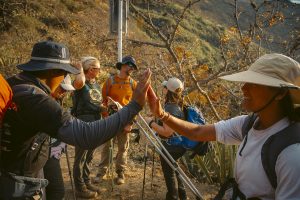
Choquequirao can be done independently, but guided trekking often makes the experience smoother, especially for first-timers in remote Peru. Guides handle route planning, campsites, meals, altitude management, and pacing support. That frees everyone up to focus on hiking, scenery, and not accidentally turning a “shortcut” into “unexpected bonus mileage.”
Water And Food
Water sources vary by season and you want to avoid an upset stomach mid-trail. Treat or filter water unless safe boiled water is provided. For food, aim for steady calories. Those canyon climbs have a way of turning “not hungry” into “could eat a small mountain.” Pack a snack (or ten) and you’ll be fine.
Altitude And Heat Management
The canyon can feel hot, especially under the dry-season sun. Start early in the morning, wear breathable layers, and protect skin from sun exposure. A slow pace with consistent breaks is more efficient than pushing hard and then crashing.
Safety And Trail Etiquette
However you travel and whoever you go with, staying safe is essential. Oh, and we like to practice responsible tourism to preserve the zone where possible. Check out these tips to do your bit:
- Respect trail edges. Some sections have steep drop-offs.
- Keep snacks secured. We’re serious. Local animals are bold opportunists.
- Pace conservatively on descents to protect knees and ankles.
- Practice ‘Leave No Trace’. Pack up trash, stay on established trails, and keep camps clean.
- Be respectful through rural communities. Choquequirao passes through places where thoughtful travel matters.
Why Choquequirao Is Worth Every Step
Choquequirao isn’t just a box to check. It’s a story you get to live.
It’s the quiet of remote camps. The burn in your legs that turns into pride. The first glimpse of terraces through morning mist. The realization that a massive Inca city can still feel personal, wild, and uncrowded.
For travelers who want something beyond the obvious, something that feels rare and real, Choquequirao delivers one of the most unforgettable trekking experiences in Peru.
And when people ask how it was, you’ll get to say, “It was unreal,” and actually mean it.

Leave A Reply