
There’s a moment on the Choquequirao route when the last bar of signal disappears. No dramatic farewell. No warning. Just… nothing. No messages loading. No maps refreshing. No quick scroll “just for a second.”
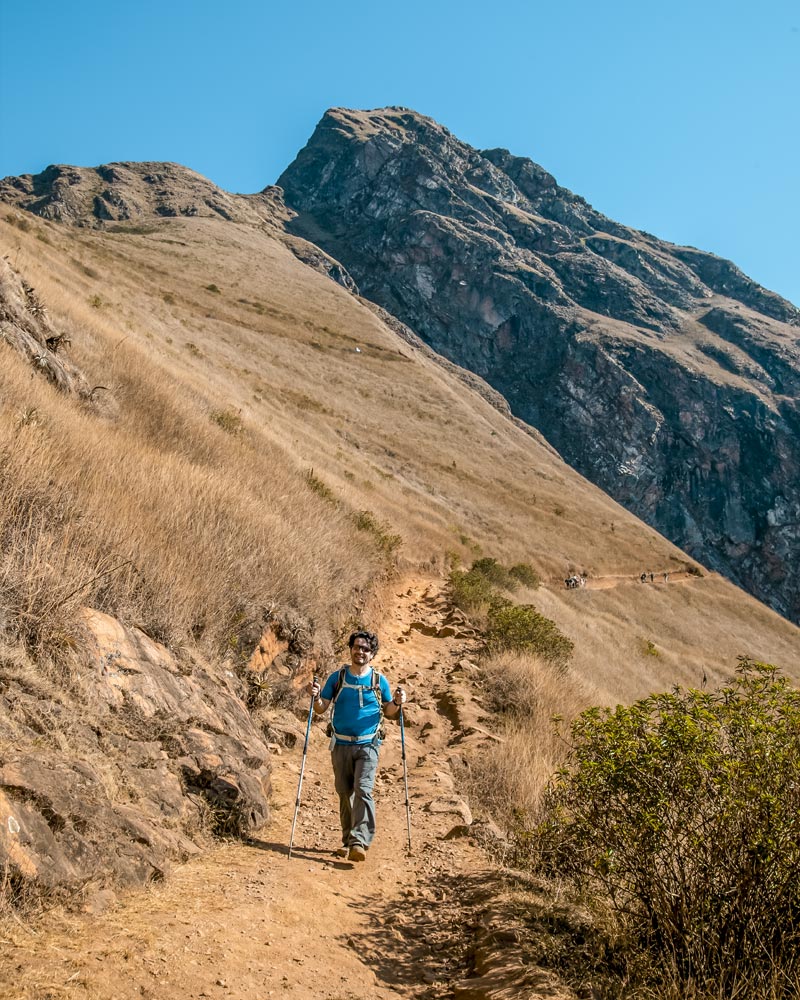
And suddenly, you’re walking through the Andes with nothing but mountains, breath, and your own thoughts for company.
That’s when the real trek begins.
Seven days walking through sacred mountains without signal doesn’t just change your surroundings. It quietly rewires how you think, how you talk, and how you exist in your own head.
Fascinating, right? Well, here’s what actually happens when modern noise drops away and the Andes take over during a digital detox trek.
Table of Contents
The Initial Phone Withdrawal Is Uneasy
Let’s be honest. Not everyone’s first reaction will be zen when they think about disconnecting from technology.
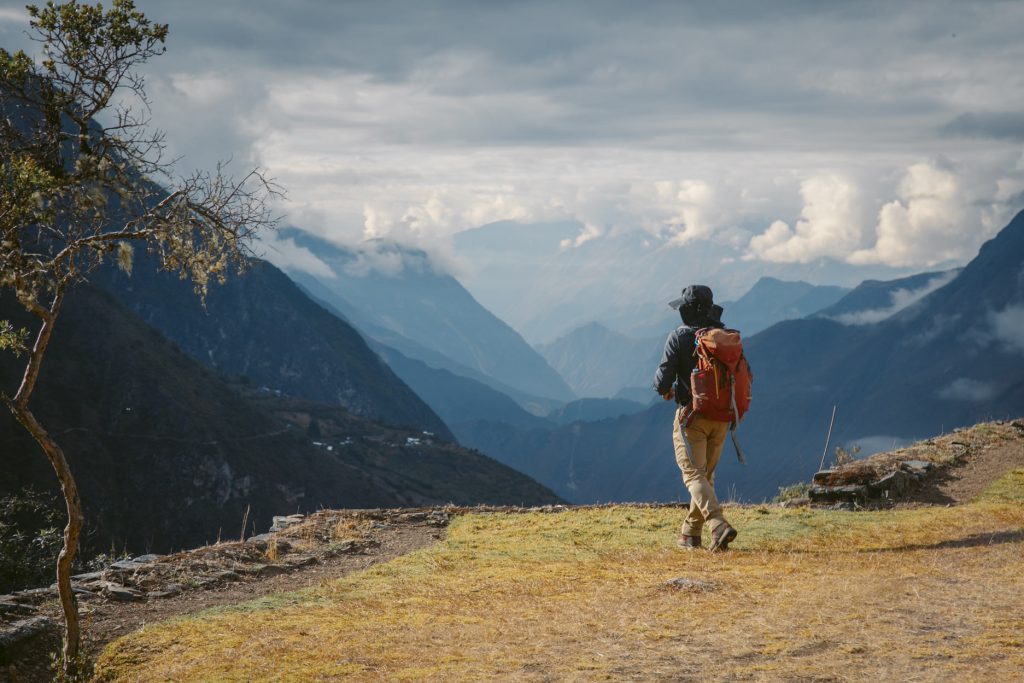
Whether you’re a techie, a social media addict, or not interested in your friends’ updates at all, people check their phones instinctively. Again. And again. Someone tries airplane mode. Someone else stands on a rock like it might help. It doesn’t.
There’s a strange vulnerability in realizing you can’t instantly reach anyone. Not because something is wrong and you need to phone home, but just because the mountains said you can’t.
It’s awkward. A little restless. Mildly unsettling.
But this feeling is completely temporary. Trust us.
Your Attention Span Slowly Comes Back From The Dead
Without notifications breaking your focus every few minutes, your brain starts behaving differently.
Conversations don’t trail off mid-sentence. Stories get full endings. You listen without thinking about what you’ll check, what you’ll watch, or where you’ll go next. Even boredom, real boredom, shows up for the first time in years.
Then it fades.
Your attention starts landing where your feet are. On the trail. On the sound of the wind through the valleys. On the way the mountains seem to change color every hour.
Turns out your brain was always capable of this. It was just very busy.
Time Stops Being Measured And Starts Being Felt
Out here, time doesn’t come in alerts or calendar reminders.
It’s measured in elevation gain. How long lunch lasts. How fast clouds move across the peaks. Mornings feel crisp. Afternoons feel expansive. Evenings slow everything down.
Without screens dictating pace or the rush of the modern workplace, the days stretch in a way that feels luxurious instead of long. You stop hurrying through moments because there’s nothing waiting for you on the other side of them.
This is where people start saying things like, “I didn’t realize how tired I was before.”
The Mountains Hush Your Inner Commentary
Sacred mountains have a way of doing this.
You don’t need to understand the history to feel the weight of the place. These peaks have been here long before anyone tracked steps or shared locations. Walking among them without digital noise feels grounding in a very physical way.
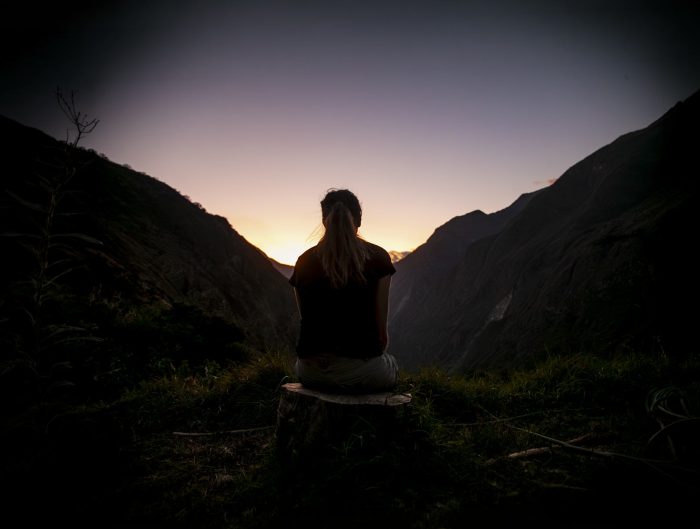
Your internal monologue softens. Problems shrink. Thoughts slow down enough to be heard clearly, and are then often dismissed as not that urgent after all.
Group Dynamics Get Surprisingly Wholesome
Something subtle happens to people when there’s no outside world bleeding in.
Everyone is present. Fully. No half-listening. No distracted nodding. No scrolling at meals.
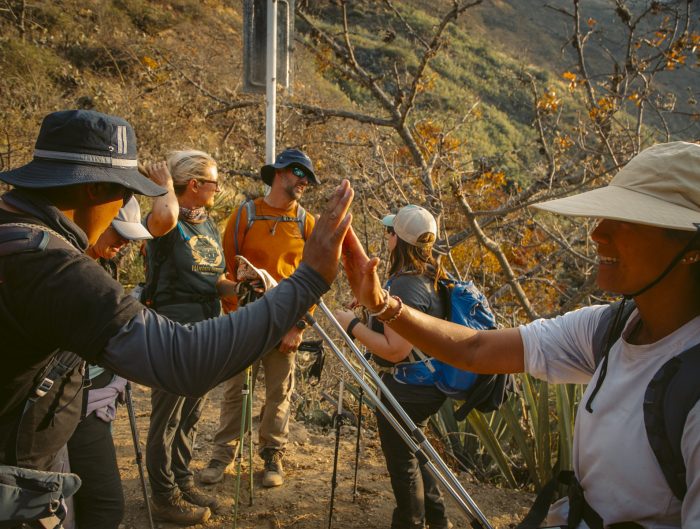
You get real laughter. Comfortable silence. Inside jokes that develop on the first day of knowing each other. The group becomes a small moving universe with its own rhythm and language.
It’s not forced bonding. It just happens when there’s nothing else competing for attention.
Your Body Takes Over, And That’s A Good Thing
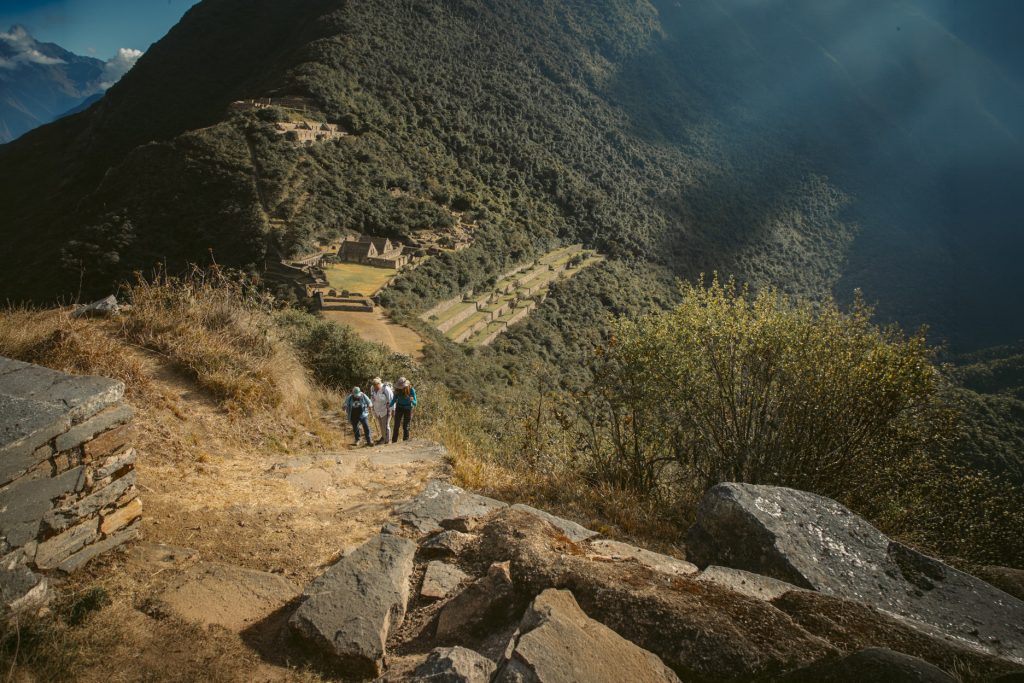
Walking day after day does something remarkable: it puts your body back in charge.
You eat when you’re hungry. Sleep when you’re tired. Wake up ready to move again. There’s no negotiating with alarms or squeezing any ounce of movement into your spare time.
Your legs get stronger. Your breathing evens out. You stop thinking of exercise as something separate from living or a chore.
By the middle of the trek, your body feels reliable again. Not optimized. Not hacked. Just capable.
The Urge To Document Everything Quietly Disappears
At some point, people stop reaching for cameras.
Not because the scenery isn’t stunning (it absolutely is), but because being there feels better than trying to capture it. The pressure to prove the experience fades.
Moments don’t need to be shared to feel real. They just need to be noticed.
This is usually when someone says, “I don’t want this to end,” without taking a single photo.
Simplicity Becomes Weirdly Addictive
Life on the trail is uncomplicated. Wake up. Eat. Walk. Rest. Repeat.
There’s no fatigue from having to make decisions. No endless choices. No background anxiety humming along under everything else. The simplicity isn’t boring. It’s calming.
You realize how much energy normally goes into managing things that don’t actually matter that much. And how little energy it takes to feel genuinely content.
Silence Stops Feeling Awkward And Starts Feeling Necessary
At home, silence often feels like something to fill. Out here, it becomes something you protect.
There are long stretches of walking where no one talks, and it doesn’t feel uncomfortable or heavy. It feels right. Like the mountains are doing the speaking, and you don’t want to interrupt.
This is the kind of silence that resets your nervous system without you even noticing.
You Trust Yourself More By The End
This one sneaks up on people.
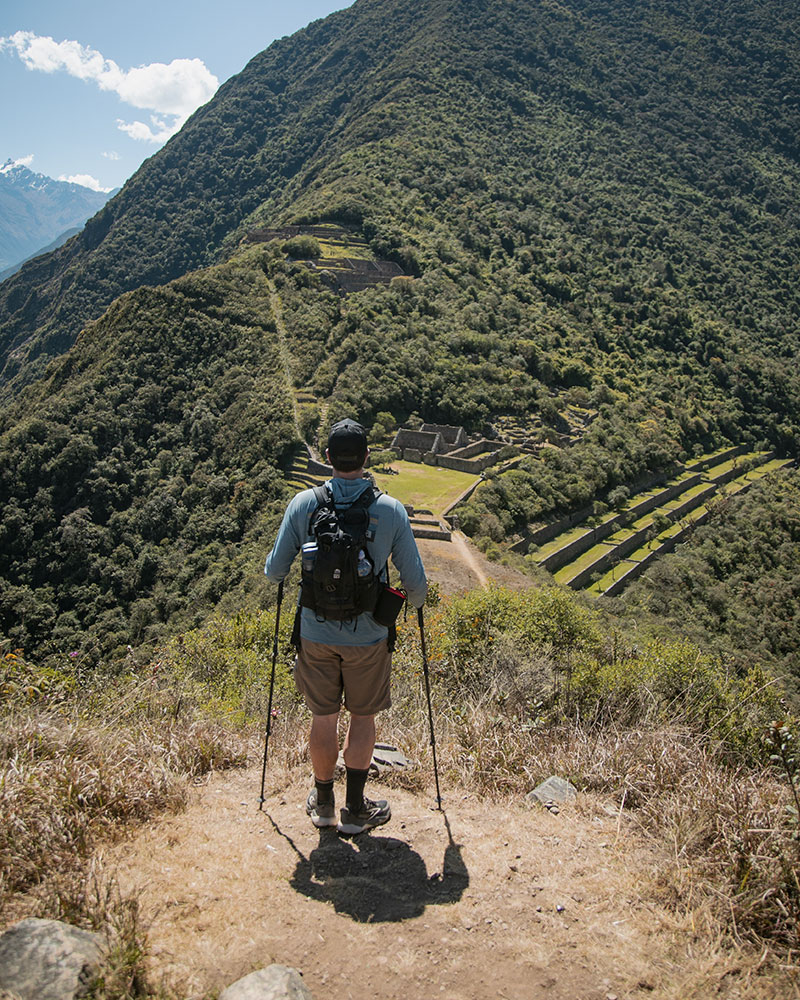
Navigating terrain. Managing fatigue. Adjusting to altitude. Moving forward every day despite discomfort. These are small acts, but they stack up.
By the end of the trek, you trust your body and your decisions more than you did at the start. Not in a loud, motivational way, but in a calm, settled way.
That confidence tends to follow people home.
The Trail Teaches Patience Whether You Like It Or Not
You can’t rush altitude. You can’t change the weather. You can’t force your legs to feel comfortable again.
The trail sets the pace and you learn to meet it wherever that is.
This patience doesn’t feel like a lesson while it’s happening. It just becomes how you move. And once learned, it’s surprisingly hard to unlearn.
You Realize How Loud Modern Life Actually Is
It isn’t until everything goes quiet that you understand just how much background noise you normally live with.
Not just actual sound, but mental noise, too. Expectations. Comparisons. Constant low-level urgency.
Seven days to unplug in nature away from it doesn’t make it disappear forever, but it does make it obvious. Once you’ve felt what true quiet is like, you start craving less chaos when you return.
People often go home and change small things without meaning to. Fewer notifications. More walks. Less multitasking.
You Start Redefining What “Luxury” Means
Luxury out here looks different.
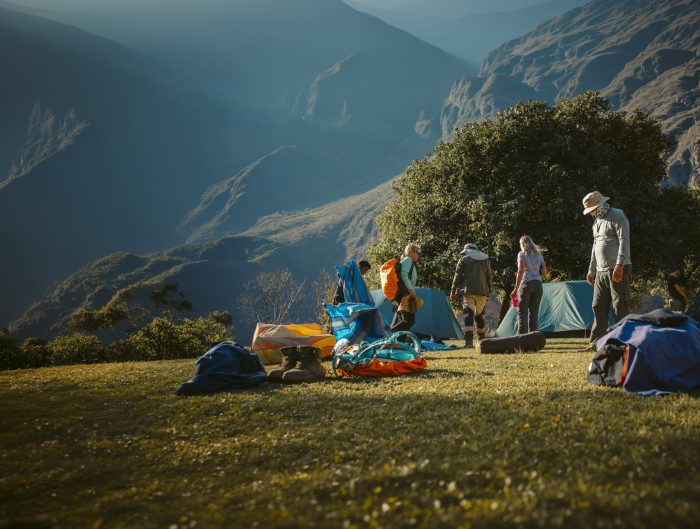
It’s digging into hot soup at high altitude. Putting on dry socks. Looking up at clear skies. Discovering a flat patch of ground to rest on. Feeling tired in a good way.
When you return to the real world, the definition sticks. Comfort becomes less about excess and more about ease.
That shift alone is worth a few days without a signal.
Reconnecting To A Signal Feels Stranger Than Losing It
The return of phone signal is actually kind of odd.
Messages flood in. Notifications pile up. The outside world rushes back exactly where it left off. And for a moment, it feels louder than you remember.
You haven’t escaped life. You’ve just stepped outside it long enough to see it more clearly.
Most people don’t rush to respond right away. They pause. They choose what actually needs attention. The mountains have taught them something special, and that alone makes the trek worth it.
Why This Kind Of Disconnection Stays With You
Seven days without a signal doesn’t solve your problems or magically change your life.
But it does recalibrate your relationship with noise, urgency, and attention.
It reminds you that your mind works better with space. That your body thrives on movement. That connection doesn’t require bars or batteries.
This isn’t about going off-grid forever. It’s about remembering what it feels like to be fully switched on without being plugged in.
And once you’ve experienced that among sacred mountains, it’s very hard not to want it again.

Leave A Reply