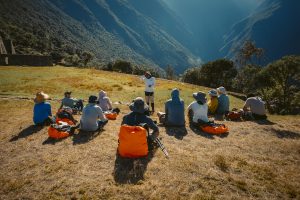

Some treks are about visiting a famous site. Others are about the journey itself, with long days on the trail, dramatic changes in the landscape, and that slow realization that you’re walking through several different worlds that are connected by one ancient path.
The Choquequirao Trek falls firmly into the second category.
This outrageously stunning route cuts deep into the Andes, crossing over extreme terrain that feels wild, remote, and refreshingly untouched.
Over the course of the trek, the environment changes constantly, sometimes various times within a single day. One moment, you’re staring down into the vast Apurímac Canyon baked by the sun, the next you’re climbing into cool mountain air or wandering through misty forest where everything seems greener, quieter, and older.
It’s a trek that rewards patience, curiosity, and a decent pair of hiking legs. Got all that? Then join us on a journey through some of the most beautiful ecosystems in the Andes along the Choquequirao route.
Table of Contents
The Apurímac Canyon: Big & Bold
The journey begins in the Apurímac Canyon, and it makes an immediate impression.
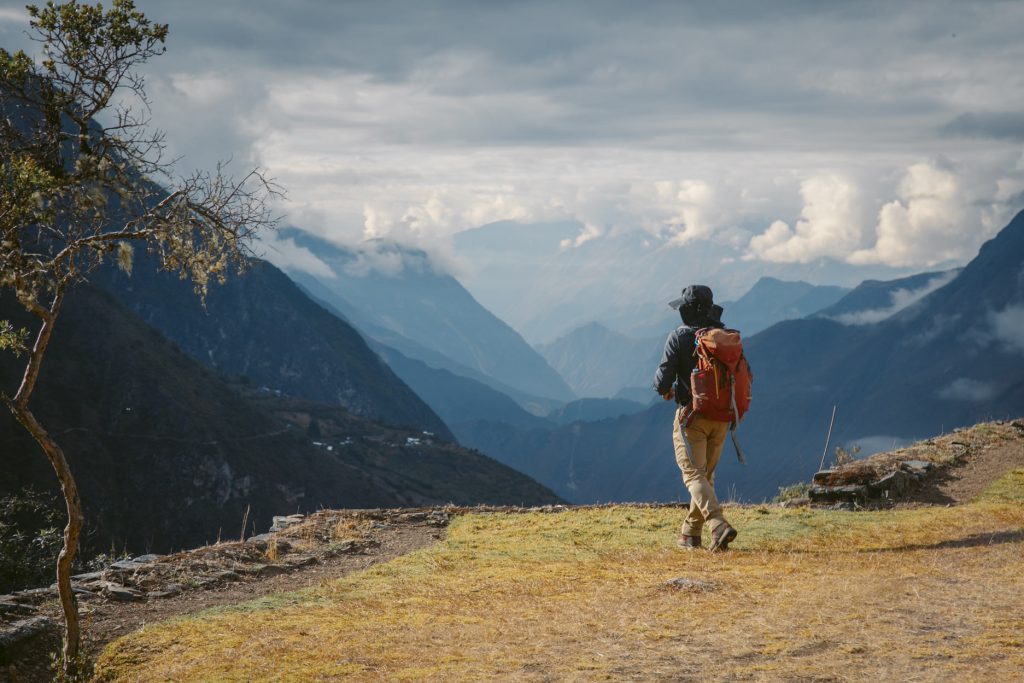
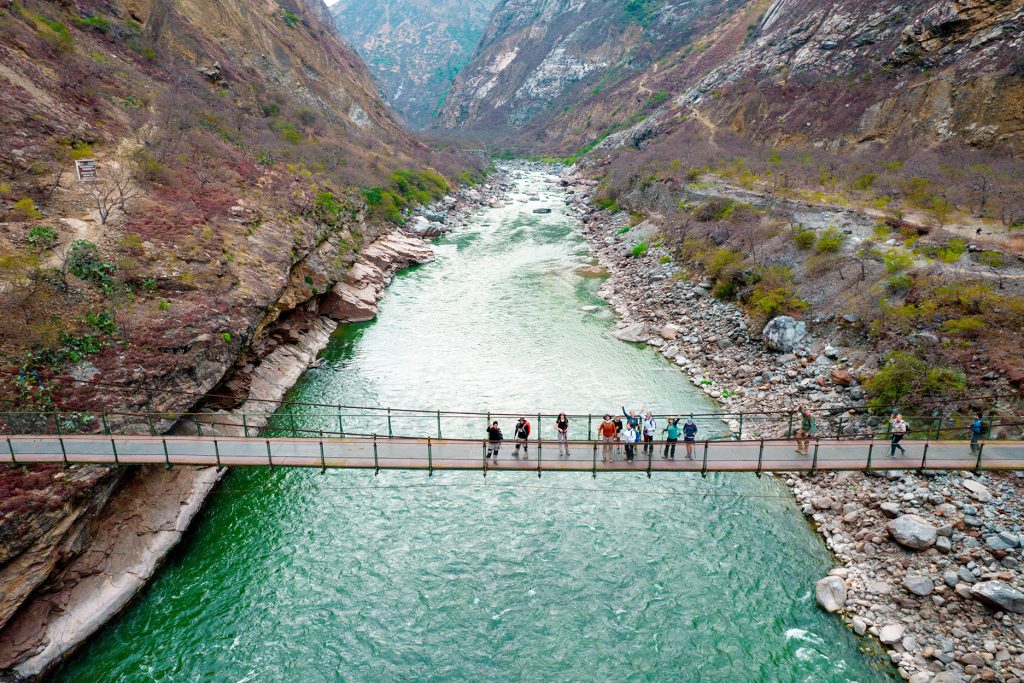
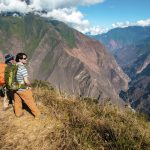
This canyon is enormous. In fact, it’s one of the deepest in the Americas, and the scale is impossible to ignore. The trail drops steeply, the temperatures climb, and the landscape feels dry and rugged. Cacti dot the slopes, birds circle far overhead, and the Apurímac River below cuts a thin line through the rock.
It’s physically demanding and visually intense, setting the tone for what’s to come. This isn’t a warm-up act. The Choquequirao Trek shows what it’s all about from the start.
River Valleys And Mid-Elevation Slopes: Growing Life
As the trail follows the Apurímac River and begins to climb again, the environment softens slightly. Vegetation becomes more varied, with shrubs, grasses, and small trees starting to appear.
This zone feels a little caught in the middle, between the extremes of canyon heat and high-altitude cold. It’s also where the trail feels most alive. You’ll pass small farming areas, hear water nearby, and notice how the landscape adapts to the challenging conditions at every stage.
It’s a reminder that people have lived and moved through these mountains for centuries, long before trekking routes and trail maps existed. It’s also an amazing opportunity to observe how they make use of their surrounding ecosystems by using ancient farming techniques and following hundreds of years-old traditions.
High Andes Terrain: Open Space And Thin Air
Climbing higher, the trail opens up into classic Andean highlands. These are the hills and mountains you tend to see on TV, postcards, and the like. The air cools, the sky feels impossibly huge, and the scenery becomes all about space and scale. It’s vast out here, and you kind of have to see it to believe it.
Rolling hills stretch out in every direction, with peaks and distant snow-capped summits poking out at random spots on the horizon. Llamas and alpacas graze quietly, unfazed by the altitude that has most trekkers drastically slowing their pace.
This part of the trek feels calm but exposed at the same time. There’s very little to block the wind or the views, and that’s exactly the point. You’re out in nature, and you’ll know it alright.
Approaching Choquequirao: Stone, History, And Silence
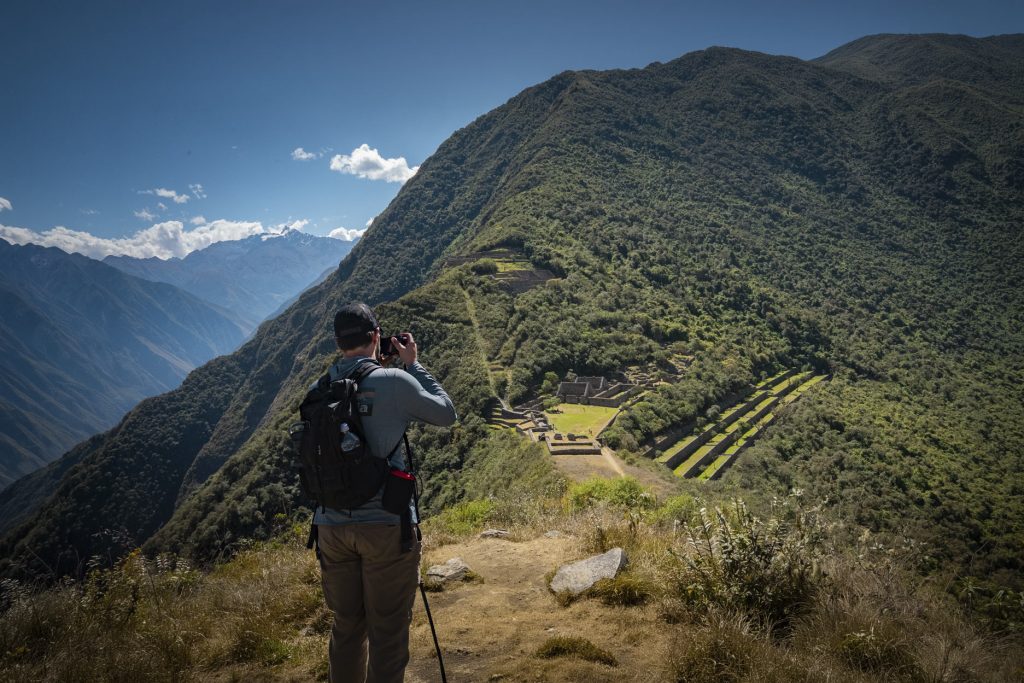
As you get closer to Choquequirao, the landscape shifts yet again. The inclines and declines becomes steeper, the vegetation denser, and the sense of anticipation really builds. It’s as though you can feel the powerful presence becoming ever closer.
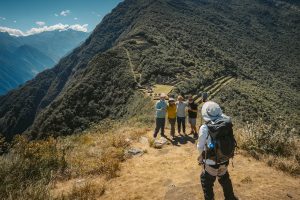
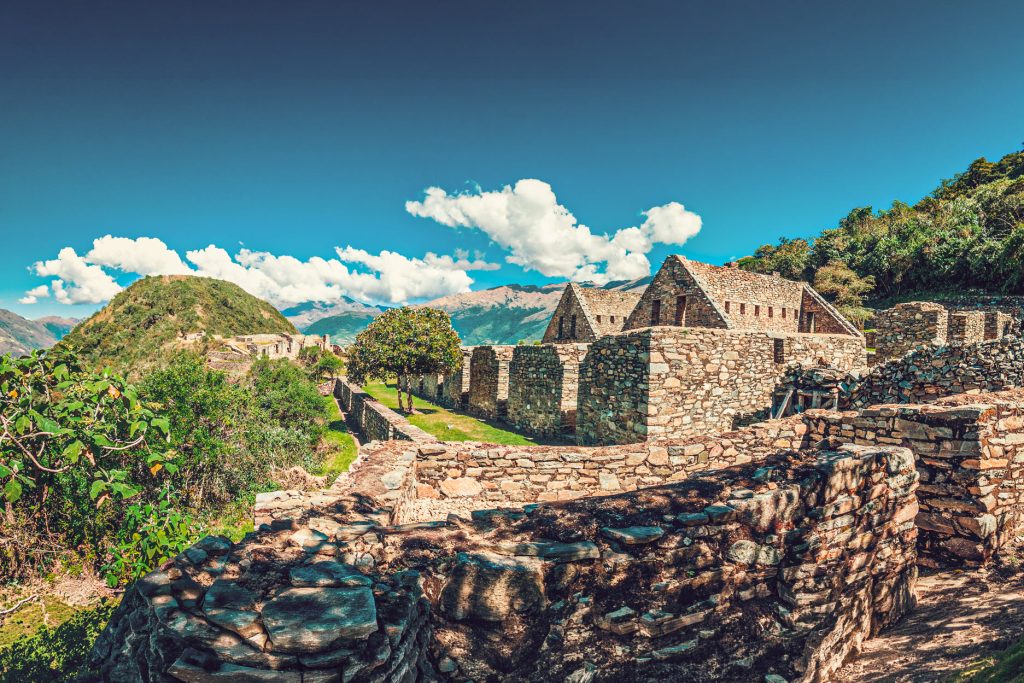
The archaeological site itself sits high above the canyon, surrounded by mountains and wrapped in peacefulness. Unlike the busier ruins, like Machu Picchu, Choquequirao feels spacious and like it has all the time in the world. Llamas wander among the terraces, clouds drift in and out, and the scale of the site slowly reveals itself as you continue to explore.
It’s not just impressive, it’s atmospheric, and the effort it took you to get here makes the experience feel well and truly earned.
The Cloud Forest: A Green Contrast To The Stone
If you descend beyond Choquequirao to Machu Picchu, the trek enters one of the most striking ecosystems of the trail: the cloud forest.
Here, the air is warm and humid, and the landscape becomes intensely green. You’ll spot trees covered in moss, orchids growing along the trail, and mist hanging in the air that shifts with the light.
After days of dry rock and open terrain, this environment feels lush and rather intimate. Sounds are softer but more constant. Think birds, insects, and water dripping from leaves. It’s an entirely different rhythm, and it rounds out the journey in a way few treks manage to do so.
Wildlife Along The Route: Cute & Quiet Encounters
Wildlife on the Choquequirao Trek tends to appear in small, subtle moments rather than put itself on display.
Above the canyon, you might see the occasional condor circling and gliding. Small Andean rodents called viscachas dart across rocky sections of the trail. In the cloud forest, birdlife becomes more noticeable, and you’ll notice flashes of color hidden among the trees.
It’s not guaranteed, but it’s usually there if you pay close attention.
How The Changing Ecosystems Shape The Experience
What makes this trek special isn’t the scenery alone. It’s about how quickly and dramatically it changes along the route.
Each ecosystem comes with its own challenges: heat, altitude, steep climbs, humidity. And each one also brings a different kind of beauty. The constant change keeps the trek engaging, both mentally and physically, from start to finish.
Is it demanding? Yes. But it’s never repetitive.
Who This Trek Is Really For
The Choquequirao Trek is great for travelers who want depth, not shortcuts.
It’s for those who enjoy long days on the trail, who appreciate quiet places, and who find meaning in the journey as much as the destination. The variety of landscapes, combined with the sense of remoteness, makes it one of the most rewarding trekking experiences in the Andes.
And for those willing to commit the time and energy? The payoff is huge.
A Route That Shows The Andes In Full
From the heat of the Apurímac Canyon to the cool heights of the Andes and the misty calm of the cloud forest, this trek showcases the complete collection of the region’s natural diversity.
It’s not flashy and it doesn’t try to impress. It simply lets the landscapes speak for themselves.
For anyone looking to experience the Andes in a deeper, more immersive way, this route sets the standard. It’s an adventure of a lifetime and one you won’t forget in a hurry.

Leave A Reply