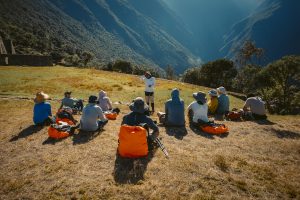

The Choquequirao Trek isn’t about ticking off another Andean hike. It’s about commitment. Distance. Silence. And the slow, surprising way a journey touches you on such a personal level.
This is the trek that asks something of you, physically, mentally, emotionally, and then quietly gives something back. Not all at once. Not loudly. But in stages.
Here’s what travelers actually feel at each point of the Choquequirao journey. From the first step into the canyon to the moment you realize the ruins aren’t the highlight anymore. Let’s begin.
Table of Contents
Stage 1: The First Descent – Excitement, With A Side Of “Oh… This Is Real”
The trek opens with an impact. Wide views. Deep canyon. The Apurímac River, rushing far below. It’s dramatic right out of the gate, and spirits are high.
There’s excitement at this point. Everyone’s buzzing, feeling strong, soaking it all in. Then the trail keeps descending. And descending.
This is often the first emotional shift. It’s the realization that every step down is a step you’ll eventually have to climb back up. It’s not discouraging, though. Just clarifying. You start pacing yourself. Thinking longer-term. Settling into the rhythm.
This is where the trek stops being hypothetical and starts being something you’re actually in.
Stage 2: Life In The Canyon – Heat, Humility, And A Mental Reset
Down in the canyon, things begin to slow down.
The air gets warmer. The climbs feel longer. Conversations naturally taper off. Not because anyone’s unhappy, but because effort demands focus. You drink more water. You notice small details, like the sound of insects, the relief of shade, and the moment the trail finally levels out.
Emotionally, this stage brings humility. Not the heavy kind. Just the quiet understanding that the landscape sets the rules here. Expectations simplify. The outside world fades fast. You develop a newfound focus on the adventure ahead, still with anticipation and excitement inside.
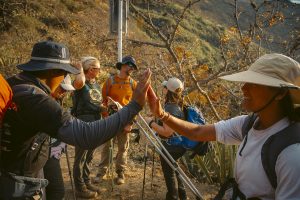
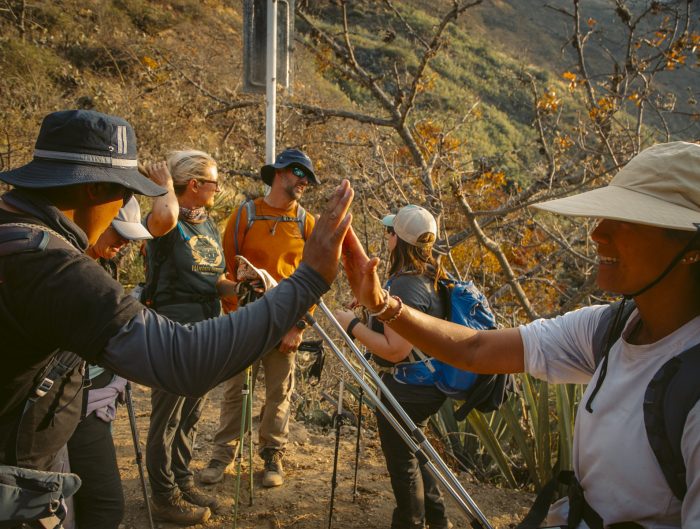
It’s also where group bonds form without trying. Shared effort does that to people.
Stage 3: The Big Climb – Doubt, Determination, And A Strange Kind Of Calm
This is the section everyone talks about and never forgets. The long, drawn-out ascent back up out of the canyon.
It’s very tough. There’s no denying that. But emotionally, it’s more complex than just a struggle.
After the initial “this is hard” moment, something shifts. The mind goes quiet. You stop negotiating with the trail. You stop counting steps. You just keep moving.
There’s determination here, but also calm. A rare, focused kind of presence that’s hard to find in daily life. There’s just too much going on normally. Here, you’re not multitasking. You’re not rushing. You’re doing one thing, and doing it with intent.
When you finally reach the ridge, the pride isn’t loud, but it’s profound.
Stage 4: Arriving At Choquequirao – Awe, Space, And Genuine Connection
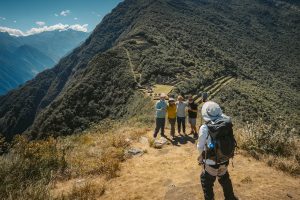
Reaching Choquequirao doesn’t feel like arriving at a famous attraction. It feels like being let in. Into a world that once existed.
The ruins are vast, elegant, and astonishingly quiet. There’s no sense of being hurried along. You feel space, both physically and mentally.
Awe settles in slowly. Not just at the stonework, but at the effort it took to reach it. The history feels closer here, less curated. You’re not observing from the outside. You’re part of the place now.
For many travelers, this is also when the comparison to Machu Picchu simply fades away. And it’s not because one is better, but because Choquequirao feels personal.
Stage 5: The Return – Strength, Reflection, And A Shift In Perspective
The return journey follows familiar terrain, but emotionally it’s different.
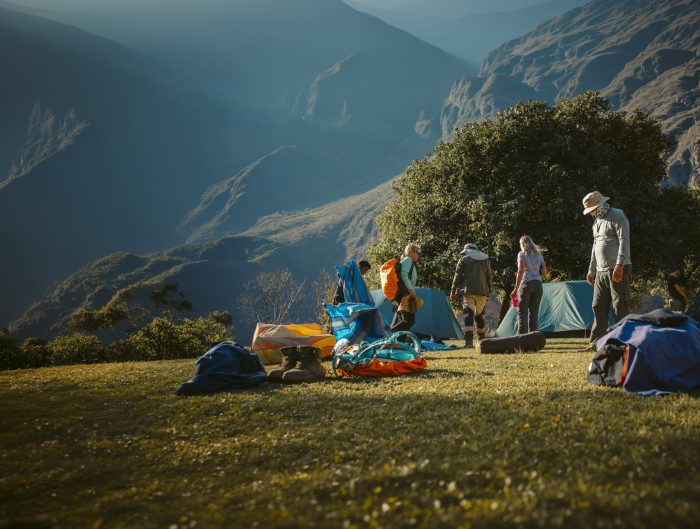
You’re stronger now. More confident. Climbs that seemed intimidating days earlier feel manageable. There’s reflection here on effort, quiet moments, and conversations at camp that were free of phones or distractions.
This is often when the Choquequirao Trek really hits home. Not at the ruins, but on the walk away from them. You’ve done something truly demanding, and you stayed present every step of the way. That feeling stays with you long after you return home.
The Moment Most People Don’t Expect
For many travelers, the most meaningful moment on the Choquequirao Trek doesn’t happen at the archaeological site itself.
It happens mid-climb. Or early in the morning. Or late in the afternoon when no one’s talking and no one needs to.
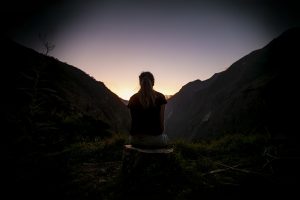
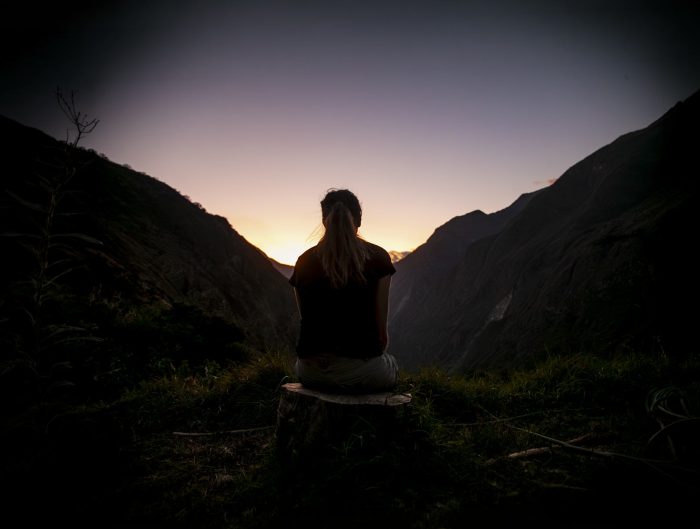
It’s the moment you realize your mind has gone quiet. You’re not distracted. You’re not bored. Just focused. Present. Content to keep moving.
That shift often arrives without announcement, and once it does, the trek feels different. Less like a challenge to conquer, more like a space you’re allowed to be in.
The Role Of Silence On The Choquequirao Trek
Silence is one of Choquequirao’s most underrated features.
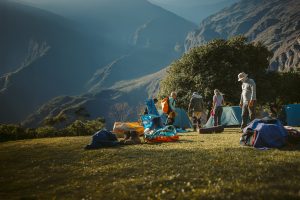
With fewer people on the trail (almost none, in fact), there’s no constant background noise. No pressure to perform the experience. Conversations happen naturally, and when they stop, it doesn’t feel awkward.
That type of quiet changes things. You notice your surroundings more. You check in with yourself more honestly. The ruins, when you reach them, feel calm rather than overwhelming.
For many travelers, this silence is what makes Choquequirao feel restorative. Not despite the effort, but because of it.
Why People Talk About This Trek Long After It Ends
Choquequirao doesn’t always hit all at once. It unfolds.
People often talk about it differently weeks or months later. They talk less about mileage or elevation, and more about how it felt to slow down, to stay committed, to move through something demanding without feeling rushed.
It becomes a reference point in life. A quiet reminder of what meaningful travel can feel like when it isn’t condensed or curated.
That staying power is part of what makes this trek special.
Who The Choquequirao Trek Is For
This trek is a great fit if you:
- Enjoy long, challenging days on the trail
- Prefer peace, solitude, and immersing yourself in the experience rather than reaching busy viewpoints
- Are comfortable being offline and non-contactable for long periods
- Want a trek that feels earned, not rushed
- Appreciate history when it’s paired with effort
Choquequirao rewards your patience, curiosity, and a steady mindset more than speed or bravado. Sure, you’ll get the bragging rights, but that’s not the point.
Who It Probably Isn’t For
This trek may not be the best match if you:
- Are short on time and want a quick sightseeing experience
- Prefer comfortable lodges and shorter daily distances
- Are new to trekking and still figuring out your pace and endurance levels
- Want constant scenery without long, demanding climbs
And that’s okay. Choquequirao doesn’t try to be everything, and that’s part of what makes it special. Don’t let this put you off if you want to give it a try, though. It waits for everyone and anyone.
Why This Trek Feels Different
The Choquequirao Trek doesn’t rely on spectacle alone. Its impact comes from time, effort, and immersion in the experience.
What you feel at each stage isn’t a one-size-fits-all, but the progression is real. Excitement to humility to determination to awe to quiet pride.
Long after the trail ends, it’s often that emotional journey, not just the destination, that stays with you.

Leave A Reply