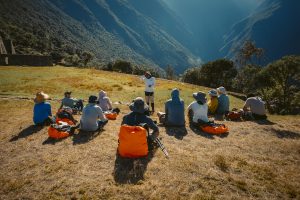

High above the Apurímac Canyon, long after the crowds have faded and the trail noise drops to a whisper, Choquequirao sits exactly where it wants to be. Remote. Powerful. Unbothered.
This isn’t a place that tries to impress you. It doesn’t need to. The Choquequirao Trek lets the landscape do the talking, and the viewpoints of Choquequirao are where the conversation really starts. Wide, sweeping, occasionally jaw-dropping viewpoints that make you stop mid-sentence and rethink your life choices in a good way.
For those who believe mountains have personalities (and honestly, spend a day here and argue otherwise), this is Apus country. Sacred peaks. Big energy. Zero hurry.
So, let us take you along the trail and around this magnificent Inca site to find the spots that ooze Apu energy.
Table of Contents
Understanding The Apus Before You Meet Them
In Andean cosmology, Apus are mountain spirits. Protectors. Elders. Forces of nature with opinions. You don’t conquer them, you visit them. And do so respectfully.
These guardians surround Choquequirao, and the viewpoints are where their presence feels strongest. You don’t need to be spiritual to feel it, but you might accidentally become a little bit so while standing there.
People talk about altitude sickness. No one warns you about perspective dizziness. That moment when you realize how small you are, and somehow feel better for it.
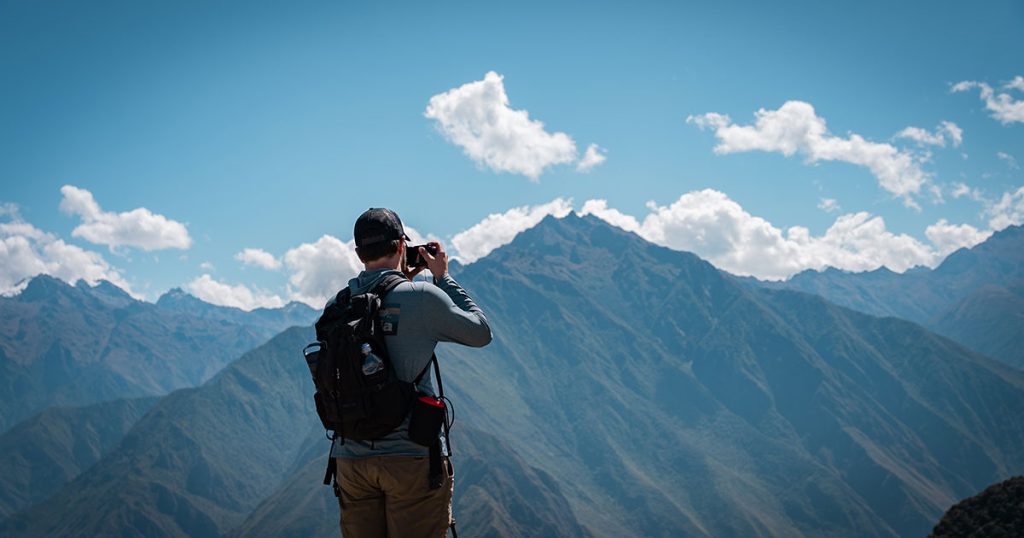
The Viewpoints Along The Trek: Where The Journey Starts Working On You Early
The Choquequirao Trek doesn’t save all the good stuff for the ruins. The trek itself delivers viewpoint after viewpoint, slowly setting your expectations long before you see a single stone wall.
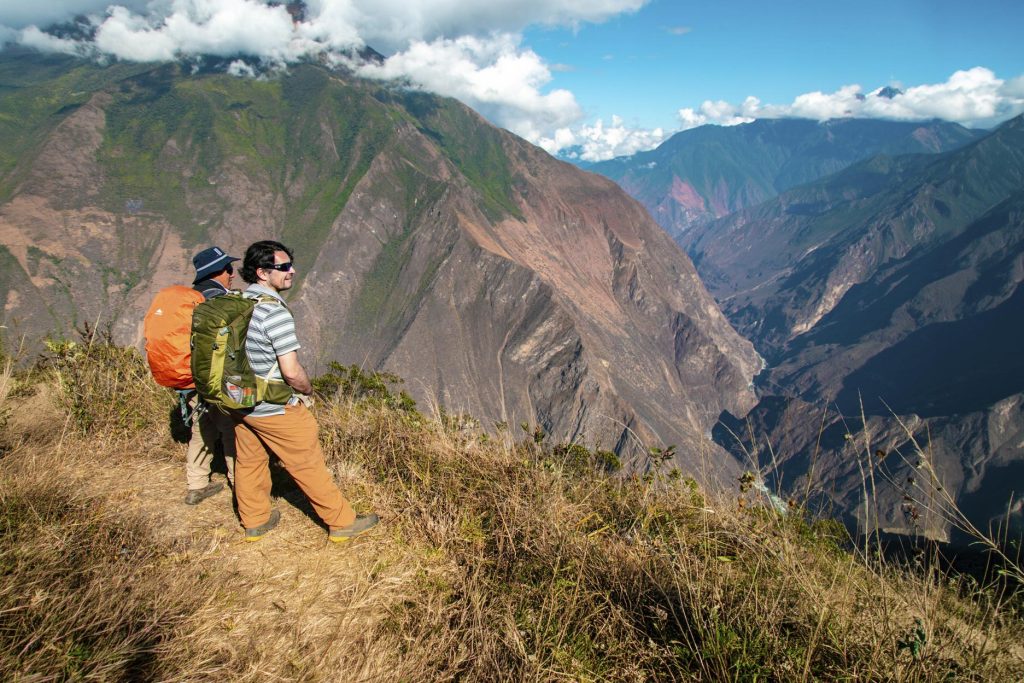
From the very first descent, the Apurímac Canyon makes its presence known. Not peacefully. Dramatically.
This canyon isn’t a backdrop. It’s a statement. Sheer walls plunge thousands of feet, the river far below looking calm in that deeply misleading way rivers sometimes do. Such impressive viewpoints early on in your trip force you to confront the scale of what you’re walking into, and what you’ll eventually have to climb back out of. Some might say it’s character building.
And yet, it’s beautiful, in that slightly intimidating, wildly photogenic way.
High Passes And Big Sky Moments
As the trail climbs away from the canyon, the perspective shifts. High passes open up to wide-angle views where the land seems to stretch forever, pieced together by ridgelines and distant snow-capped peaks.
These are the moments where conversation fades and walking becomes almost automatic. You’re not just looking at the landscape anymore, you’re moving through it, inside it, almost part of it. The Apus feel closer here, hovering quietly on the horizon like they’re keeping tabs on you.
The wind picks up. Clouds move fast. The air feels sharper, cleaner, more alive. Even the least sentimental hiker usually goes quiet here, if only for a minute.
The Apurímac Canyon From Above: Perspective With A Pulse
Some of the most powerful viewpoints aren’t the highest ones, but the moments when the trail hugs the edge of the canyon itself. Standing above the Apurímac Canyon, looking down into its depths, gives you a very clear understanding of why this trek isn’t designed for people in a hurry. Seriously, take your time, take care, and take in your surroundings.
The canyon changes color throughout the day. Shadows stretch and shrink. Light finds places you didn’t notice five minutes ago. It’s alive, constantly changing, and slightly hypnotic if you allow it to be.
This is where the trek starts doing its quiet work on you. Not physically, that part’s obvious, but mentally. Outside noise fades. Your to-do list disappears. It’s just your steps, your breath, and whatever massive view just opened up around the bend. Oh, and the Apus, of course.
The Main Plaza Lookouts: A Quiet Introduction
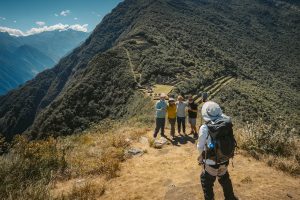
By the time you reach the archaeological site itself, your eyes are a little more used to the scale. The Choquequirao viewpoints around the Main Plaza feel like a calm welcome after everything the trail has already shown you.
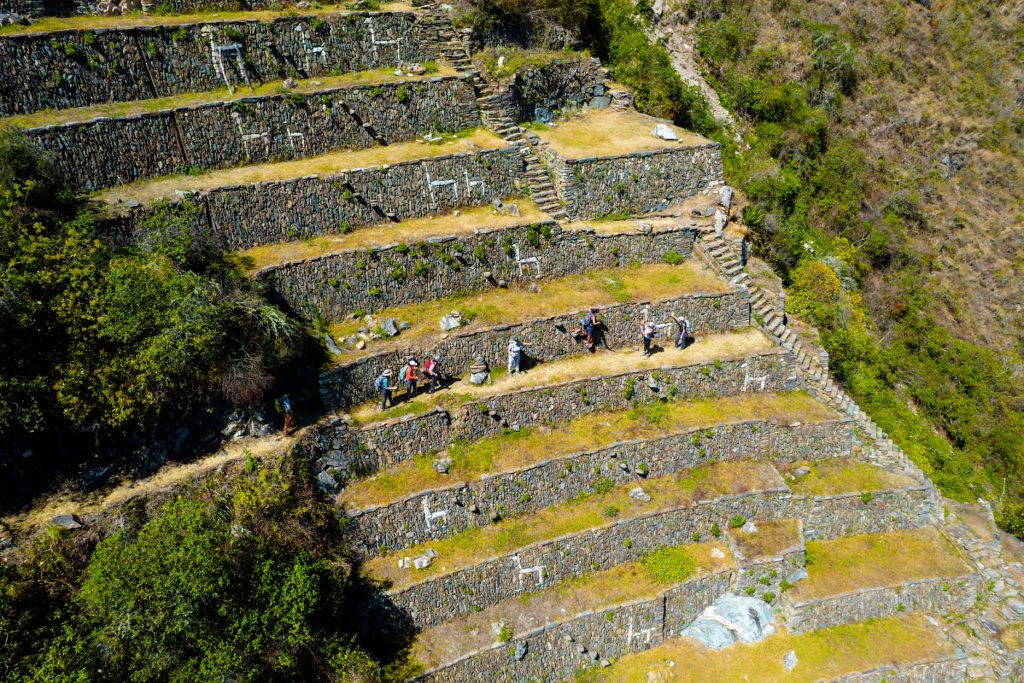
Terraces spread outward. Stone walls frame the sky. The canyon drops away like it has somewhere important to be.
This is where the Apus fully introduce themselves. No drama. Just presence.
Sit for a minute. Watch the clouds move faster than expected. Notice how quiet it is. This isn’t silence. It’s space. Space to think. Space to breathe. Space to just be.
The Upper Terraces: Where The Energy Turns Up
Climb higher to the Upper Terraces that bring sharper views, stronger winds, and that unmistakable feeling that you’re standing somewhere very intentionally placed.
From here, the Apurímac Canyon looks endless, like it forgot where the bottom was supposed to be. The surrounding peaks feel closer and more involved in what’s going on. This is where people lower their voices without realizing it.
If there’s a place to linger longer than planned, this is it. Light shifts constantly, and with every shift there’s a slightly different story.
The Usnu Area: Ceremony Without The Crowd
The Usnu is thought to have been a ceremonial platform, and once you’re standing there, that theory stops feeling theoretical.
The viewpoint feels like it was built with a purpose, positioned for observation rather than admiration. It’s one of the strongest energy points in Choquequirao. Not loud. Not theatrical. Focused.
This is the spot where photos take a back seat. Conversations trail off. Time starts behaving differently.
The Llama Terraces: Symbolism With A View
Most people come here for the famous white stone llamas set into the terraces, but if you lift your eyes for just a moment, you’ll find one of the most balanced viewpoints in the complex.
Here, culture and landscape share equal weight. The terraces roll outward, the canyon opens wide, and the mountains stand patiently beyond it all.
It’s playful and profound at the same time, which feels exactly right for this place.
Sunset From The High Choquequirao Viewpoints: When Everything Softens
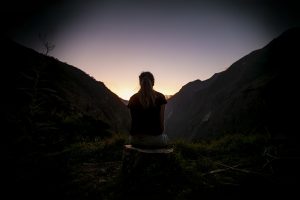
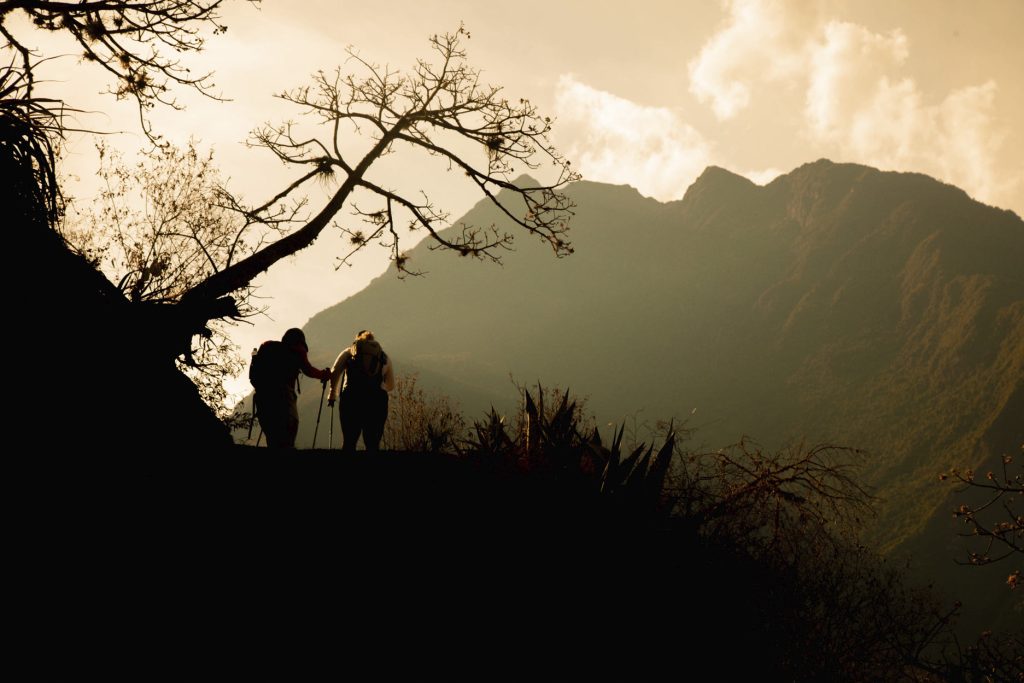
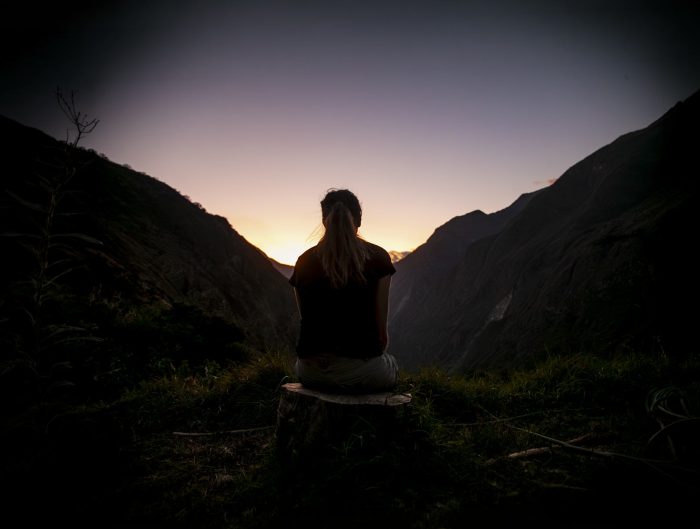
If you time one thing right at Choquequirao, make it sunset. The higher viewpoints catch the last light as it drifts across the canyon, setting the peaks on fire before quietly letting them go to sleep.
This is when the Apus feel closest. Colors shift from gold to copper to something you don’t quite have a word for. The air cools. The day exhales.
No speeches. No big revelations. Just a deep, satisfying stillness.
Why The Viewpoints Hit Harder When You Walked To Them
Choquequirao isn’t somewhere you stumble into. You earn it. Every descent, every climb, every exposed stretch of trail makes the viewpoints have a bigger impact.
There are no railings. No signs telling you what to think. No crowds nudging you aside. Just space, history, and mountains that have been watching humans come and go for a very long time.
By the time you stand among the ruins, you’re not just seeing a place. You’ve been shaped by the journey to it.
Leaving With Something You Can’t Photograph
The viewpoints of Choquequirao don’t hand you a neat little takeaway in the form of a few fancy photos. They give you perspective. The kind that sticks around long after the trek ends and you’ve taken off your boots.
You remember the way the canyon looked at different hours of the day. How the air felt on the high passes. How quiet your mind got without you trying to make it happen.
Choquequirao doesn’t demand anything from you. It just gives you space to walk, to think, and to look out over something far bigger than your daily routine.
And that’s usually enough to send people home already wondering when they’ll be back.

Leave A Reply