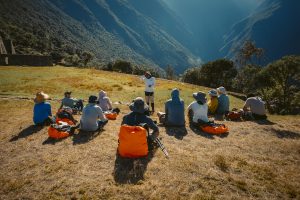

People often ask what the Choquequirao Trek is really like.
Is it hard? Yes. Is it remote? Very. Is it worth the effort? Absolutely, but not just for the ruins at the end.
What most people don’t expect is how quickly the trek stops being about distance or altitude and starts being about mindset. The mountain has a way of asking better questions than everyday life ever does.
How patient are you, really? How do you handle discomfort? What happens when there’s nothing to distract you from your own thoughts?
Somewhere between the first climb and the last descent, those answers start to feel surprisingly clear. Consider this the moment the mountain steps in as the teacher.
Table of Contents
This Is Not A Trek That Likes To Be Rushed
The Choquequirao Trek has a strong personality, and one of its defining traits is this: it refuses to be hurried.
There’s no quick fix out here. No scenic shortcut. No option to power through and be done by lunch. The trail goes up when it feels like it, drops when it feels like it, and all you can do is keep up.
At first, this can feel frustrating. Back home, we’re used to efficiency. We often measure success by how quickly we finish things. On this trek, speed is not a flex. Consistency is.
And slowly, without making a big deal about it, the mountain teaches you something very useful: moving steadily gets you a lot farther than rushing ever will.
Effort Is The Entry Fee (And It’s Non-Refundable)
Every good moment on this trek costs something. But that doesn’t mean you need to fumble for your wallet. Out here, you pay the price with sweat mostly. Sometimes very sore calves.
The pretty views don’t appear just because you showed up. You earn them. One step, one breath, one uphill grind at a time. And that’s kinda what makes them stick.
When effort becomes the entry fee, your priorities shift. You start celebrating small victories. Reaching camp feels like a genuine accomplishment. Sitting down feels like a luxury. A warm meal feels almost emotional.
The mountain isn’t being cruel. It’s being honest. And honesty, it turns out, is refreshing.
The Mountain Has Zero Interest In Your Comfort Zone
One of the first things the Choquequirao Trek does is take you out of your comfort zone.
Early mornings. Cold starts. Long climbs that don’t seem to end when you expect them to. This isn’t mean, it’s building endurance. The mountain doesn’t believe growth happens in the easy bits, and it has a point.
What’s interesting is how quickly your definition of “comfortable” changes. Things that would’ve annoyed you on day one barely register by day four. You stop negotiating with discomfort and start cooperating with it.
That lesson tends to come in handy long after the trek is over.
The Silence Starts Doing Some Work
There’s a lot less talking on this trek than you might expect. Not because people aren’t friendly (they are), but because the environment is so peaceful.
No traffic. No notifications. No background buzz.
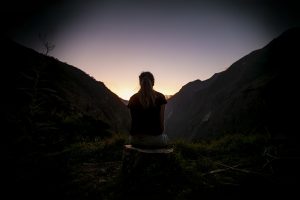
At first, the quiet feels awkward. Then it feels calming. Then it starts getting to work.
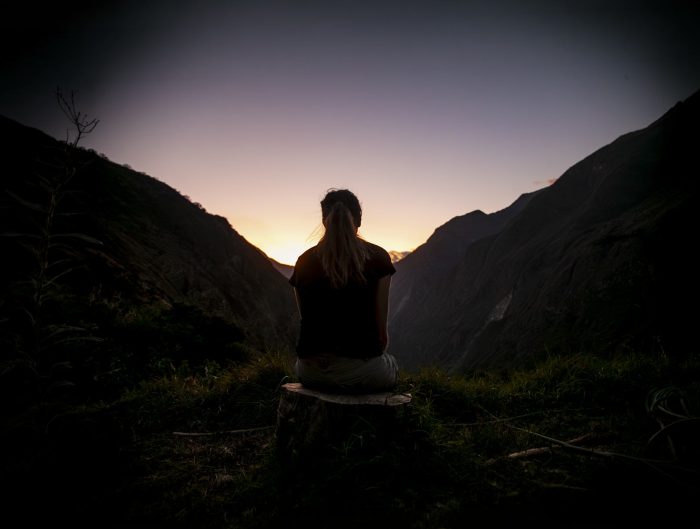
Thoughts you’ve been avoiding pop up. Ideas you forgot about return. You replay things, rethink things, and occasionally have a small internal debate with yourself halfway up a hill.
The mountain doesn’t interrupt. It just gives you space and lets you sort it out.
Time Starts To Feel… Different
Somewhere along the trail, clocks seem to lose their power.
Days stretch. Moments deepen. You stop asking what time it is and start asking how far the sun has moved across the valley. Life shrinks to a manageable size: walk, rest, eat, sleep.
It’s oddly liberating.
The mountain shows you that time doesn’t always need to be measured to be meaningful.
Choquequirao Doesn’t Show Off (And That’s The Point)
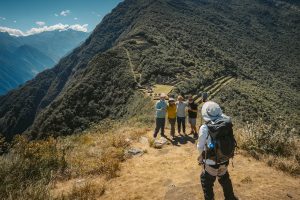
When the ruins finally come into view, they don’t scream for attention. They don’t need to.
Choquequirao sits there calmly, massive and quiet, like it’s been waiting a very long time and isn’t in a rush. Because it has. And it isn’t.
There are no crowds pushing you along. No one telling you to move aside for the next group. Llamas wander through ancient terraces like they’re part of the original design plan.
Standing there, you feel the scale of time in a way that’s hard to explain. The patience it took to build this place. The perspective it gives your own problems, which suddenly seem a lot more manageable.
That lesson lands without saying a word.
Discomfort Turns Into Confidence (Eventually)
Let’s get something straight: this trek is challenging. There’ll be moments when your legs feel personally attacked and your lungs have opinions about the altitude.
But something interesting happens when discomfort sticks around long enough. You simply adapt.
Each day, what felt hard yesterday feels doable today. Your pace improves. Your mindset shifts. You stop fighting the trail and start working with it.
By the end, you’re not just fitter; you’re more confident. And that newfound confidence doesn’t stay on the mountain. It sneaks back into real life with you.
Weather Is A Reminder That You’re Not In Charge
Sun, wind, cloud, rain, can sometimes all happen in one day. The Choquequirao Trek has no interest in consistency, and it’s not really bothered about your feelings on the matter.
At first, people try to predict it. Control it. Out-plan it.
Eventually, you learn the better approach is to just accept it.
Layers go on. Layers come off. Plans adjust. Complaining fades away because it simply won’t get you anywhere. The mountain isn’t punishing you. It’s reminding you that flexibility is a skill, not a personality trait.
Connection Feels Easier Out Here
Without phones, schedules, or a million competing distractions, connection becomes simple.
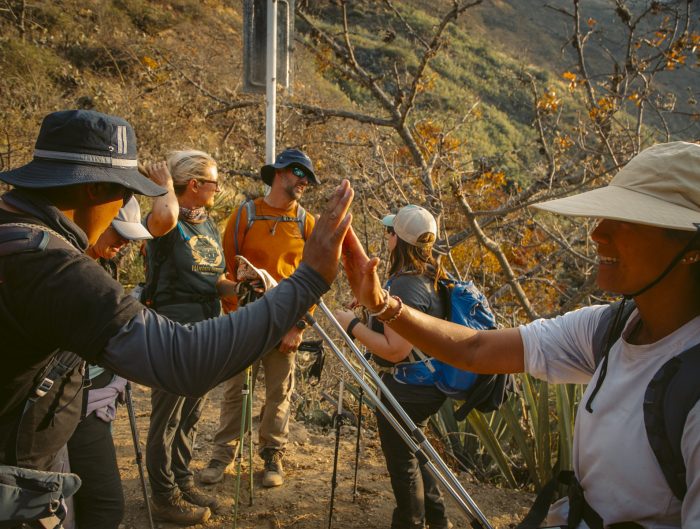
You talk more. You laugh more. You sit quietly with people without feeling the need to fill every second. You also spend time with yourself. Actual time, not the kind where you’re technically alone but mentally elsewhere.
It’s grounding in a way that’s hard to replicate anywhere else.
Food Tastes Better When You’ve Earned It
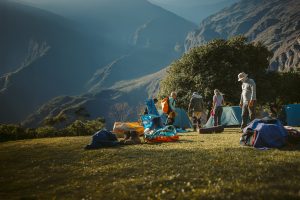
There’s something deeply satisfying about sitting down for a meal after a full day on the trail Not because it’s fancy. Not because it’s Instagram-worthy. But because you worked for it. You worked hard.
Hunger becomes real out here. And when food arrives, it’s appreciated as it should be. No rushing. No multitasking. Just eating, laughing, and realizing how rarely you do this at home.
The mountain doesn’t serve up a slice of luxury. It serves perspective, and usually with a side of very good soup.
You Don’t Come Back The Same (But You Do Come Back Better)
The Choquequirao Trek doesn’t promise transformation but it’s inevitable.
You come back with stronger legs, yes. But also with more patience, a better perspective, and a renewed appreciation for effort, quiet, and doing things properly instead of quickly.
The mountain never tells you what to change. It just shows you what’s possible.
Who This Trek Is For (And Who It Really Isn’t)
There’s no denying that the Choquequirao Trek is incredible, but it’s not for everyone. And that’s actually part of its charm.
Being honest about that upfront saves a lot of disappointment later.
This Trek Is For You If…
You enjoy a challenge that feels meaningful, not rushed. You don’t need constant entertainment, and you’re okay spending a lot of time with your own thoughts (and your own legs).
You like the idea of earning the experience. Long days, big climbs, and gradual progress sound satisfying rather than intimidating. You’re curious about history, landscapes, and how ancient places fit into their surroundings instead of being converted into tourist stops.
You’re also open to being guided, not in a “follow the flag” way, but in a “trust people who actually know the mountain” way. You understand that good support doesn’t take away from the adventure; it makes it possible.
And maybe, just maybe, you’re at a point where slowing down sounds appealing instead of scary.
This Trek Is Probably Not For You If…
You want quick results.
If your idea of a great hike includes cable cars, short walking days, and being back in town for a hot shower by mid-afternoon, this might not be your kind of trail. Choquequirao asks for time, patience, and a bit of grit.
It’s also not ideal if you like crowds and convenience is important to you. There are no cafés on the trail, no shops to pop into, and no “easy day” or hopping in a taxi just because you’re tired. The mountain doesn’t do flexibility on demand.
And if you’re looking for a box-ticking trip to see the ruins, take the photos, and move on, this trek may feel like overkill. Choquequirao is about the journey far more than the finish line.
A Quick Reality Check (In A Good Way)
You don’t need to be an elite athlete. You don’t need to love suffering. But you do need to be willing to try, adapt, and keep going when things feel tough.
With the right preparation, pacing, and support, most people surprise themselves out here. And that’s often the best part.
The mountain isn’t asking you to be perfect. It’s asking you to show up and do your best.
Why This Trek Is Better With The Right Support
Choquequirao isn’t the place to wing it.
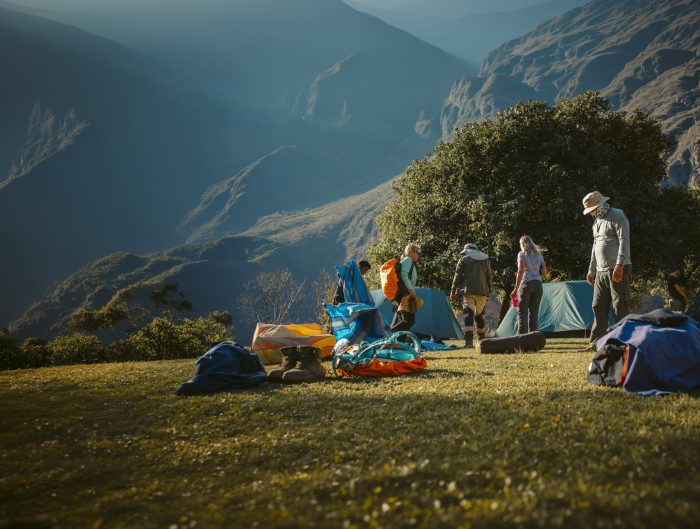
Having people who know the route, understand the pacing, and can quietly handle the details allows you to focus on the experience instead of the stress. When meals appear on time, camps are set, and the plan adapts smoothly to trail and weather conditions, the trek becomes what it’s meant to be. Challenging, yes, but deeply enjoyable.
And when the hard parts feel supported, the lessons are easier to learn.
When You’re Ready To Listen
Not everyone needs a trek like this. But for the right person, at the right moment, it’s exactly what’s needed.
If you’re looking for more than a checklist trip and you want something that challenges you, grounds you, and gives you space to breathe, this trail delivers in ways that are hard to explain but easy to feel.
The mountain doesn’t promise answers. It just offers the opportunity to find your own.
Frequently Asked Questions
What is the Choquequirao Trek really like?
It is a challenging and very remote hike that goes beyond just reaching a destination; it becomes a deep, mental journey that tests and clarifies your mindset.
Is the Choquequirao Trek difficult?
Yes, it is a hard and physically demanding trek that involves steep climbs and descents.
Is the effort required for this trek worth it?
Absolutely. The reward is not just reaching the ancient ruins at the end, but the personal growth and clarity you gain along the way.
How remote is the Choquequirao Trek?
It is very remote, taking you far away from the distractions, noise, and comforts of everyday life.
Why is the mountain described as a “teacher”?
Because the environment forces you to confront personal questions about your patience, your thoughts, and how you handle discomfort.
What makes this trek different from standard hikes?
It quickly stops being just about counting kilometers or managing altitude, shifting instead into a test of mental strength and mindset.
What kind of personal challenges will I face on the trail?
You will face physical discomfort and the mental challenge of being alone with your own thoughts without everyday distractions.
What can I expect to discover during the trek?
You can expect to find surprising clarity about yourself somewhere between the very first climb and the final descent.
Is the trek only about seeing the ruins?
No. While the ruins are incredible, the true essence of the trek is the transformative internal journey and the perspective change it brings.
How does this trek change the way you see life?
By removing modern distractions and pushing your limits, it helps you slow down, practice patience, and see your personal capabilities more clearly.

Leave A Reply