
Some treks impress. Others challenge. A rare few quietly step into your soul and rearrange the way you see the world. The Choquequirao Trek is firmly in that last category.
This isn’t a trail you casually tick off between café hopping and souvenir shopping. Choquequirao demands time, effort, curiosity, and a willingness to walk straight into the realm of the peaks. To a place where colossal mountains loom, condors glide overhead, and ancient Inca cities lie hidden beneath cloud and jungle. It’s raw, rugged, and wonderfully remote.
For those willing to answer the call, this 5-day journey unfolds slowly: one footstep at a time, one canyon deeper, one summit higher. By the end, most trekkers don’t just return with photos; they return changed.
So what makes this trek so life-altering? Let’s walk you through it, day by day.
Table of Contents
Day 1: Cusco To Chiquisca: The First Steps Into The Wild
The adventure begins early, with a drive from Cusco into the dramatic landscapes of the Apurímac region. The road winds through high Andean scenery until Capuliyoc, where the real journey starts.
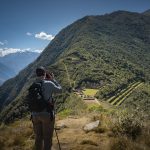
This first day introduces trekkers to what defines the Choquequirao Trek: vastness. Standing at the start of the trail, the Apurímac Canyon opens up in front of your eyes. It’s deep, green, and carved so sharply it almost feels unreal. It’s one of the deepest canyons on Earth! Across the canyon, snow-capped peaks sit casually on the horizon. Kind of like they’re daring you to come closer.
The initial descent sets the tone. The trail drops steeply, zig-zag path after zig-zag path, pulling trekkers down toward the canyon floor and the Apurímac River rushing below. It’s warm, it’s demanding, and it’s wildly beautiful.
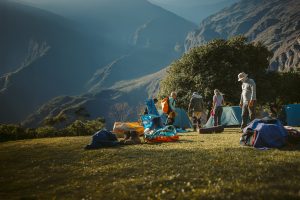
By afternoon, the trail settles into a rhythm, and the first day comes to a close when the group reaches camp at Chiquisca. Enjoy a tasty dinner and some well-deserved rest. The night sky feels impossibly big, and the hum of the canyon below reminds everyone how far they’ve already come. This is just the beginning.
Moment Of The Day
That first panoramic view across the Apurímac Canyon. Phones come out. Conversation stops. It’s the moment everyone realizes that this is not just another trek.
Tip From The Trail
Take the descent seriously. Bring walking poles if you’d like. Pacing matters more than pride. Choquequirao rewards patience.
Day 2: Chiquisca To Marampata: Earning The View
If day 1 introduces the canyon and takes you down into it, day 2 asks you to climb right back out of it.
This is generally considered the most physically demanding day of the trek, and for good reason. From the canyon floor, the trail rises dramatically, zigzagging upward through different ecosystems. Lush vegetation from the canyon turns into higher-altitude landscapes, and each turn in the path reveals a slightly different version of the world below.
The climb is steady and challenging but deeply satisfying. Step by step, trekkers leave the depths of the canyon behind and gain a new perspective, both literally and mentally.
By afternoon, the trail opens into Marampata, a small settlement perched high above the canyon with panoramic views that feel almost unreal. From here, trekkers can observe the mountains that surround Choquequirao, and sometimes even the first sights of the archaeological site itself.
Arriving in Marampata at tonight’s camp feels well and truly earned. Legs are tired, but spirits are high. This is where confidence quietly starts to grow. The main event is so close now.
Moment Of The Day
The final stretch into Marampata, when the terrain opens up, and Choquequirao’s surrounding peaks suddenly feel within reach.
Tip From The Trail
Eat even if you don’t feel hungry. This climb burns energy fast, and steady fuel makes all the difference. Snacks are your best friend on this trek.
Day 3: Marampata To Choquequirao And Back: Walking Into The Lost City
This is the day everything is building up to.
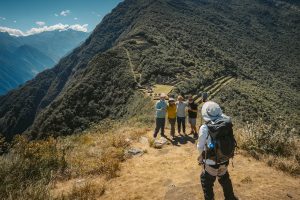
The trail from Marampata to Choquequirao Archaeological Site is gentler, weaving through high-Andean vegetation, anticipation hanging in the air. Then, slowly, stone terraces begin to emerge from the greenery. Walls appear. Pathways come into view. And suddenly, Choquequirao is there. It’s vast, silent, and utterly magnificent.
Often called the sister city of Machu Picchu, Choquequirao is actually larger, more spread out, and far less visited due to its remoteness. Its scale is staggering, with ceremonial plazas, agricultural terraces, temples, and viewpoints stretching across the mountainside.
Exploring Choquequirao is a humbling experience. Without crowds, ropes, or being rushed along, the site forms a genuine connection with its visitors. Trekkers often describe a sense of deep respect. And not just for the Incas who built it, but for the sheer endurance it took to reach it.
Trekkers return to their camp near the ruins, allowing the experience to linger long into the night.
Moment Of The Day
Standing in the main plaza, surrounded by ruins, with hardly another soul in sight. It feels like the city has been waiting just for you. This experience is rare. Make the most of it.
Tip From The Trail
Slow down here. This isn’t just a destination to tick off your bucket list. Sit, look, listen. The magic is in the stillness.
Day 4: Marampata To Chiquisca: Reflect As You Return
Leaving Choquequirao and the mountains that guard it is harder than expected.
The morning light covers the ruins in soft gold as the descent begins, returning along the route back toward the Apurímac Canyon. What felt like hard work and determination on the way up now feels reflective on the way down.
The trail drops steadily, offering the last glances back toward the citadel that sits high above. The heat returns, the vegetation thickens, and trekkers are in the canyon once again.
Reaching Chiquisca feels familiar yet different this time. There’s laughter, shared memories, and that unmistakable end-of-adventure glow beginning to form. We love that feeling. When you trek with us, you’ll spend this evening in the backyard of a local family, giving you the chance to see the way of life in the region and learn about their customs and traditions.
Moment Of The Day
The final backward look at Choquequirao, knowing just how few people get to experience it this way.
Tip From The Trail
Sun protection is non-negotiable. Hat, sunscreen, and light layers will save you today. The altitude is high, and the canyon is hot. Stay as comfortable as possible.
Day 5: Chiquisca To Cusco: Carrying It Home
The final day starts early, with the last climb back up to Capuliyoc. It’s a push, but spirits are high. Trekkers know they’ve done the hard part, and they’ve earned every step.
Back at the trailhead, transport waits to return everyone to Cusco. But there’s one more treat in store. We make a stop for lunch in Conoc, where trekkers can relax those tired and sore muscles in the hot springs. What a great reward at the end of such an expedition, we think you’ll agree.
On the journey back to Cusco, the scenery rolls past the windows, but hikers’ minds are often still somewhere along the trail, remembering the stone walls, deep canyon, and connection with nature.
Moment of the Day
That shared smile at the end, with dusty boots, tired legs, and the unspoken understanding that this was something special.
Tip From The Trail
Stretch when you finish. Then stretch again. Your future self will thank you.
Why The Choquequirao Trek Changes People
The Choquequirao Trek doesn’t shout for attention. It doesn’t promise luxury lodges or easy paths. What it offers instead is space. To struggle, to think, to disconnect, and to reconnect with something deeper.
It changes people because:
- It demands commitment and rewards perseverance
- It strips travel back to its essentials
- It offers solitude in a world that moves so quickly
- It reconnects trekkers with nature on a grand scale
If you’re ready to walk into the realm of the peaks, Choquequirao isn’t just a destination. It’s a turning point.

Leave A Reply