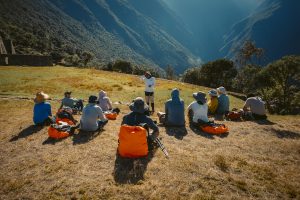

Some treks are world famous. Some are beautiful. Some are hard.
And then there’s Choquequirao. A trek so wild, remote, and demanding that it’s earned a reputation as the last great challenge of the Andes.
This isn’t a walk-in-the-park, snap-a-photo, back-to-the-hotel kind of adventure. The trek to Choquequirao is a full-bodied expedition. By that, we mean massive elevation changes, punishing descents, lung-burning climbs, deep canyons, untamed cloud forest, and an ancient Inca city that feels like it’s been swallowed and protected by the mountains themselves.
It’s raw. It’s humbling. And for those who take it on, it’s unforgettable.
So why exactly is the Choquequirao Trek considered the Andes’ final great test? Lace up your boots. We’re breaking it all down.
Table of Contents
First Things First: What Is Choquequirao?
Choquequirao is a huge Inca archaeological complex tucked deep in Peru, perched dramatically above the Apurímac River canyon.
Often dubbed “Machu Picchu’s sister city”, Choquequirao is:
- Bigger than Machu Picchu
- Just as architecturally impressive
- Far less visited
While Machu Picchu welcomes thousands of visitors a day, Choquequirao sees only a handful, which is mostly made up of hikers who’ve earned their arrival the hard way.
No trains. No buses. No cars. The only way in (for now at least) is on foot.
And that’s exactly where the challenge begins.
This Trek Pulls No Punches (Physically Or Mentally)
Let’s be clear about one thing. Choquequirao isn’t considered difficult because it’s technical. There’s no need for climbing gear, no ropes, no exposed knife-edge ridges.
It’s difficult because it’s relentless.
The trek famously involves descending thousands of feet, only to climb back up again.
To put it plainly:
- You drop from high Andean terrain into one of the deepest canyons in the world.
- Then climb straight back up to reach the ruins.
- And later? Do it all over again on the way out.
Your legs will question your life choices. Your lungs will file formal complaints. Your mind will learn the true meaning of perseverance.
The Apurímac Canyon: A Test Of Grit
The Apurímac Canyon isn’t just somewhere to look at pretty scenery. It’s a hurdle you have to overcome to see this awesome archaeological site.
This canyon is:
- Deeper than the Grand Canyon
- Hot, exposed, and unforgiving
- A furnace during the day and chilly at night
There’s no gentle zig-zagging your way through this. The trail drops steeply, often under a blazing sun, before demanding a punishing climb that can take hours.
This is where the trek earns its reputation.
Length Matters: This Is Not A Short Trek
The classic Choquequirao Trek usually takes 5 days, though extended routes (including combinations with Machu Picchu) can stretch to 9 days or even more.
What that means for you:
- Consecutive long hiking days
- Limited rest
- Carrying fatigue from one day into the next
Unlike shorter 1-3 day treks where you can “push through,” Choquequirao requires endurance. It’s not about one hard day. It’s about staying strong, focused, and motivated for days.
Remote Doesn’t Even Begin to Cover It
One of the biggest reasons Choquequirao is still such a challenge? Isolation.
Once you’re out there, you’re literally out there. No towns. No shops. No easy exit points. No crowds to lean on for morale.
You hike through landscapes that feel untouched, and that’s because they mostly are.
This remoteness creates:
- A deeper connection to nature
- A stronger bond with your group
- A heightened sense of self-reliance
It’s thrilling and it demands respect.
Weather: The Mountains Make The Rules
The Andes don’t care about your plans. The weather can be very changeable, especially during the wet season. On the Choquequirao Trek, you can experience:
- Blazing sun
- Sudden rainstorms
- Dense fog
- Cold nights
- Humid jungle heat
Sometimes all in the same day.
Trails can become muddy. River crossings can swell. The cloud forest can reduce visibility to a few feet. This unpredictability keeps trekkers on their toes and adds another layer to the challenge.
Choquequirao Itself: The Reward Few Ever See
After days of effort, sweat, and determination, the ruins finally appear before your eyes, and this is where the trek transforms from “hard” to wow.
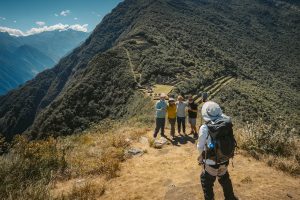
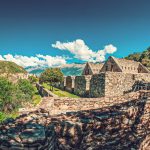
Choquequirao sprawls across the mountainside, much of it still covered by vegetation. Only a portion has been excavated, meaning what you’re looking at feels more like a discovery and less like a museum you’re being shown around.
Highlights include:
- Massive agricultural terraces covering the slope
- Ceremonial plazas
- Temples and residences
- The famous llama terraces
There are moments when you’ll stand alone among the ruins, clouds drifting through ancient walls, and realize you’re experiencing something exceptionally rare in modern travel.
This isn’t tourism. It’s feeling like you’ve been transported back in time. Like you are one with history.
No Crowds, No Filters, No Shortcuts
Let’s talk about crowds, or should we say, the lack of them. You see, Machu Picchu is spectacular, but it’s also busy. Timed entries, regulated routes, and a constant flow of visitors can make your time there less relaxing than you’d hoped.
Choquequirao? You might see fewer than 20 people total. Sometimes none at all.
This solitude is powerful. It makes the trek harder, mentally and logistically, but the payoff is huge.
You’re not just visiting the Andes. You’re earning them.
Mental Toughness Is Non-Negotiable
The physical challenge is obvious. The mental challenge sneaks up on you.
There will be moments when:
- The trail seems endless
- The climbs feel cruel
- The goal feels very far away
Choquequirao tests patience, resilience, and attitude. Those who succeed don’t do so because they’re the fastest or strongest, but because they keep going.
A Trek For True Adventure Seekers
This trek isn’t for everyone, and that’s exactly why it’s so special.
Choquequirao appeals to:
- Experienced hikers
- Travelers craving solitude
- History lovers wanting something untouched
- Adventurers who value effort over ease
If Machu Picchu is the Andes’ greatest icon, Choquequirao is its greatest challenge, and perhaps its most meaningful reward.
Why It Still Feels Like the “Last” Great Challenge
Modernization has made much of the Andes easier to access, which is wonderful. But Choquequirao has, so far, resisted the change.
For now:
- The approach remains demanding
- The commitment remains high
- The experience remains pure
That combination is rare in today’s world, and it’s what we like to think cements Choquequirao’s legendary status.
Is It Worth It?
Without hesitation: yes. The Choquequirao Trek delivers:
- Physical achievement
- Emotional reward
- Cultural immersion
- And bragging rights that are well and truly earned
It’s the kind of trek that stays with you for a long time to come. In your legs, your photos, your stories, and your sense of self.
This isn’t just another hike. It’s a rite of passage.
The Andes Don’t Give This Away Easily
Choquequirao doesn’t try to impress you. It doesn’t promote itself. It doesn’t make things easy.
It simply exists. Vast, ancient, and demanding. Waiting for those willing to meet it on its terms.
That’s why it’s still considered the last great challenge of the Andes. And for those who want to face that challenge? There’s nothing else quite like it.

Leave A Reply