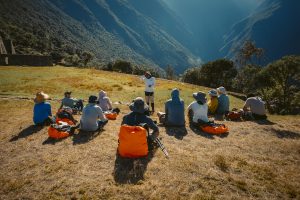

High in the Andes, where clouds drift above, and stone paths cling to jagged ridgelines, two ancient cities stare across the mountains at one another.
One is world-famous. The other is wildly underrated. And between them lies one of the most fascinating stories the Inca Empire ever told.
Most travelers know Machu Picchu. It’s the postcard icon, the bucket-list legend, the place that needs no introduction. But far fewer have heard of Choquequirao, its larger, wilder, and far more mysterious sibling. Yep, that’s right, they’re often referred to as sisters.
What many people don’t realize is that these two sites weren’t isolated marvels. They were part of the same imperial vision. One connected by roads, shared symbolism, and a deep understanding of geography, power, and belief.
Walking the route between them isn’t just a trek through the Andes, far from it. It’s a journey through the beating heart of an empire.
And yes, your legs will feel it. But your mind will be just as blown.
Pop on your trekking boots and join us as we take a hike through history and explore the true connection between Choquequirao and Machu Picchu.
Table of Contents
Choquequirao: The Forgotten City With A Lot To Say
Choquequirao doesn’t suddenly appear with crowds or ticket queues. It reveals itself slowly, almost shyly, from the folds of the mountains.
Sitting above the roaring Apurímac River, this vast Inca complex is thought to have been one of the last strongholds of resistance against the Spanish. Even today, only a fraction of the site has been excavated, leaving the rest covered by jungle, which somehow makes it even more powerful. You’re not just visiting history, you’re standing in the middle of it while it’s still being unveiled.
What makes Choquequirao especially fascinating is its scale and complexity. It’s actually larger than Machu Picchu by quite a bit, with ceremonial plazas, agricultural terraces, elite residences, and sacred spaces that mirror, some might even say rival, its famous counterpart.
And yet, while Machu Picchu feels like a masterpiece that’s been put together for the world to admire, Choquequirao feels raw. Untamed. Intimate. Like the Andes are still deciding how much they’re willing to reveal.
Machu Picchu: More Than A Pretty View
Machu Picchu gets plenty of hype, and don’t get us wrong, it earns it. But beyond the dramatic setting and perfectly cut stone lies something deeper.
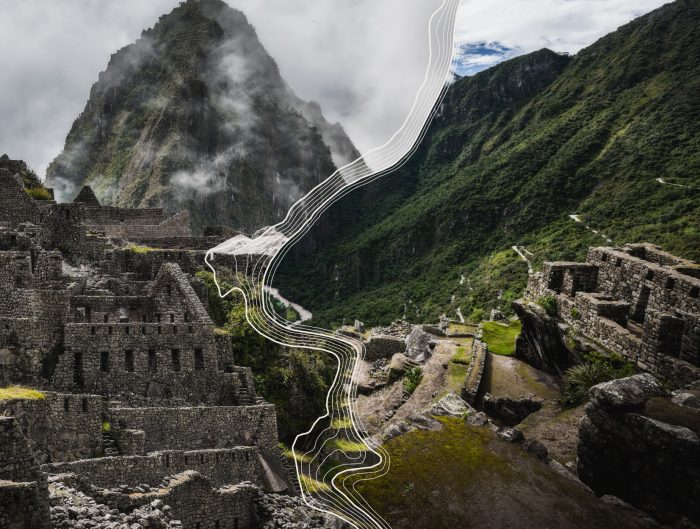
This wasn’t just a royal estate or a ceremonial retreat. Machu Picchu was carefully designed around Inca cosmology. Mountains weren’t just pretty scenery; they were sacred beings. Rivers weren’t just obstacles; they were life-givers. Architecture wasn’t just for decoration; it was in alignment with the universe.
When you understand that, you stop seeing Machu Picchu as a “ruin” and start to see it as a message from the past. And that message didn’t exist in isolation.
The Inca Road System: The Original Andean Highway
The Inca Empire didn’t rely on existing paths or connections that “just happened”. It was stitched together by the Qhapaq Ñan, an incredible road system stretching over 25,000 miles across modern-day Peru, Bolivia, Ecuador, Colombia, Chile, and Argentina.
These roads weren’t just practical. They were political. Spiritual. Symbolic.
The routes were chosen with intention and linked sacred sites, administrative centers, and strategic strongholds. The connection between Choquequirao and Machu Picchu wasn’t a happy accident. It was part of a network that was carefully designed to move people, their ideas, and their power through the heart of the Andes.
When you walk this route today, you’re stepping into the rhythm of an empire that understood terrain better than anyone who came after it.
A Shared Sacred Landscape
One of the most amazing connections between Choquequirao and Machu Picchu is how both sites interact with their surroundings.
They face sacred peaks. They align with the stars. They use terraces not just for farming, but for controlling water, temperature, and symbolism.
Even small architectural details, like stair placements, plaza layouts, and ritual platforms, hint at a similar design ideology. These weren’t carbon-copied cities, but they were speaking the same cultural dialect.
The Incas didn’t separate nature from civilization. The mountains were part of the city, and trekking between these two sites makes it impossible to ignore that fact.
As you hike these ancient paths, you don’t just see the Andes. You feel how the Incas felt about them.
The Role Of Astronomy In Connecting The Two Sites
The Incas didn’t just build with stone. They built everything with the sky in mind.
Both Choquequirao and Machu Picchu show clear evidence of astronomical alignment. Temples, windows, and even fine lines of sight were carefully positioned to track solstices, equinoxes, and the movement of celestial bodies that the Incas associated with agriculture and divine order.
Trekking between the two sites reveals how deeply this sky-focused view shaped the empire. You begin to notice how valleys open toward the sunrise, how peaks frame the horizon, and how light becomes a design feature rather than an afterthought.
It’s a reminder that for the Incas, the heavens weren’t distant. They were part of daily life.
Why The Incas Chose These Impossible Locations
From a modern perspective, the placement of both cities feels quite unreasonable. All around you’ll see steep ridges and sheer drops, and there’s a constant exposure to the elements.
But those “impossible” locations were exactly the point.
Being up high meant power. Isolation meant protection. And dramatic landscapes reinforced the spiritual importance of each site. The Incas didn’t fight the Andes. Oh no. Instead, they collaborated with them.
Walking the Choquequirao to Machu Picchu route makes it clear that these cities weren’t hidden by accident. They were deliberately placed where only those who truly belonged could reach them.
Walking The Route: History Under Your Boots
This isn’t like visiting a museum. There are no glass cases with artefacts inside or information plaques every ten steps.
Instead, history shows up in much subtler ways along the trail, like:
- Stone staircases emerging from the forest
- Ancient terraces clinging to the mountainsides
- Trails that make zero sense… until you realize they were designed for llamas, not humans with trekking poles
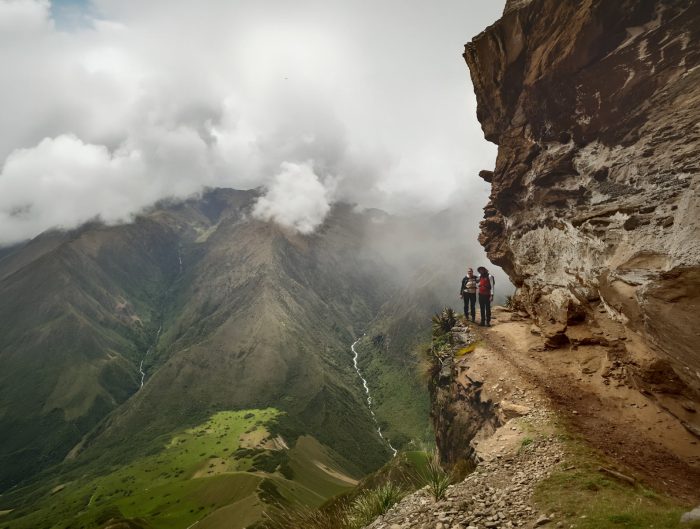
The physical effort matters. It’s no easy feat, but the rewards are huge. The climbs are tough, the descents relentless, and the altitude humbling at the very least. But that effort creates context. It makes the distances real. It explains why these cities mattered so much and why they were built exactly where they were.
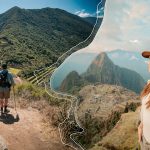
By the time Machu Picchu finally comes into view, it doesn’t feel like a standalone Wonder of the World. It feels like the final chapter of a long tale.
Trekking Through Living Andean Culture
There’s something else we want to point out that makes this trip so special. This isn’t a journey locked in the past.
Along the route, you’ll come across Andean communities that continue traditions that stretch back centuries. Observe farming techniques, herding practices, and relationships with the land that echo Inca values.
Seeing these traditions in action adds another layer to the experience. The empire may have fallen, but its view of the world never fully disappeared.
The Andes are still lived in. Still very much respected. Still teaching those who pass through.
Why This Journey Feels Different From Other Treks
Plenty of hikes offer great views. Plenty give you cultural insights. But very few weave them together so seamlessly.
This route doesn’t feel like the others because:
- It rewards curiosity, not just endurance
- It suits first-time trekkers and seasoned hikers
- It balances big, cinematic moments with quiet, reflective ones
- It makes history feel alive, not academic
You don’t need to be an Inca expert to appreciate it. The landscape does most of the storytelling for you. But if you are a history lover? This trek quickly becomes unforgettable.
A Story Still Being Revealed
One of the most exciting things about the Choquequirao to Machu Picchu connection is that archaeologists are still learning about it. New sections are being uncovered. New theories are being debated. The story is far from over.
And when you walk this route, you become part of that ongoing discovery. Not just as a spectator, but as a participant.
There are no roped-off paths or crowds you have to follow. Simply stone, sky, and a trail that has been telling the same story for centuries.
Not Just A Trek, But A Time Machine
This journey isn’t about ticking off famous sites (although you will get the chance to do so). It’s about understanding why they exist, how they’re connected, and what they meant to the people who built them.
For trekkers who want more than scenery, this route delivers in ways few others can.
It challenges the body. It feeds the imagination. And it leaves you with the sense that the Inca Empire isn’t just something you learned about…
…it’s something you walked through.

Leave A Reply