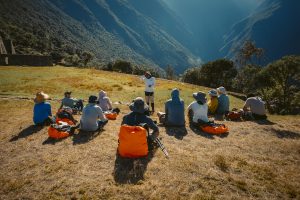

High in the Andes, wrapped in cloud forest and silence, there’s an Inca city that refuses to make itself convenient to visit. No trains. No buses. No handrails. Just miles of trail, steep drops, burning thighs, and a ruin so vast and mysterious it makes its famous sibling look, well, slightly overexposed.
Welcome to Choquequirao. Often called the “sister city” of Machu Picchu, though that comparison barely scratches the surface. Choquequirao isn’t Machu Picchu’s quieter twin. It’s something else entirely. Wilder. Bigger. Less understood. And still holding onto its secrets.
This is the real history of Choquequirao, the city the world still hasn’t clocked onto yet.
Table of Contents
What Choquequirao Actually Is
Choquequirao translates roughly to Cradle of Gold. A bold name for a place that’s spent centuries hiding in plain sight.
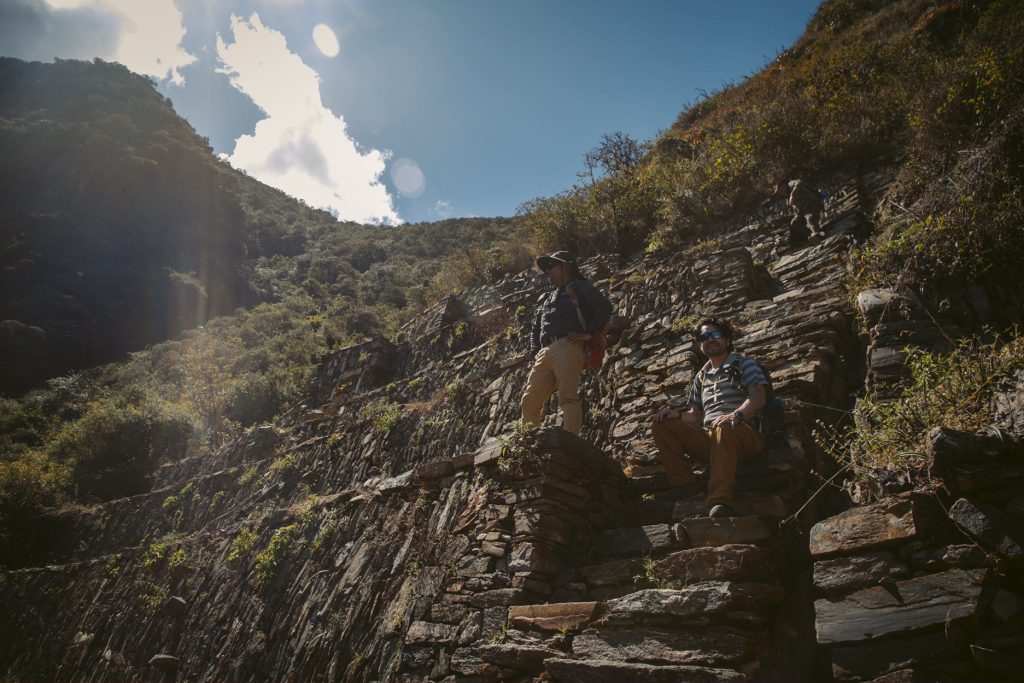
Built during the height of the Inca Empire, Choquequirao was not a remote outpost knocked together for fun. This was a major political, ceremonial, and administrative center. Think temples, plazas, elite residences, agricultural terraces, and ritual spaces, all spread across a mountainside so large that archaeologists believe only about 30–40% has been excavated.
No. That’s not a typo. Most of the city is still under the jungle.
So when people say “it’s like Machu Picchu,” what they usually mean is: “It’s Inca. It’s dramatic. And we don’t fully understand it yet.”
Which, frankly, makes it even more exciting.
Why The Incas Built Here Of All Places
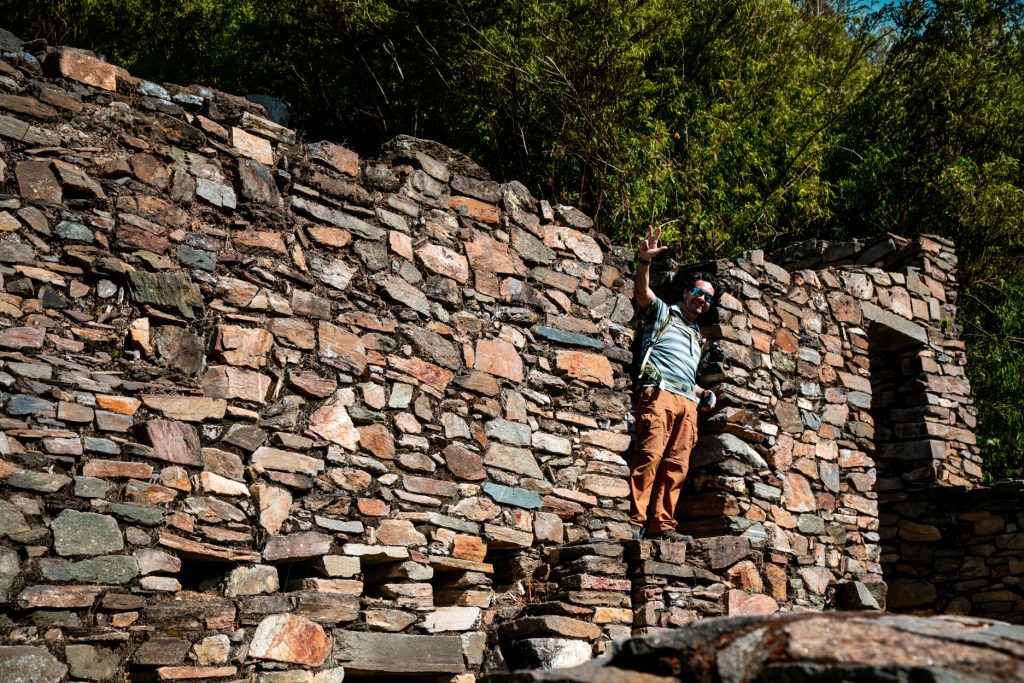
At first glance, Choquequirao looks like an act of defiance. A city clinging to a steep ridge above the Apurímac Canyon, surrounded by tall peaks, cloud forest, and near-vertical drops. You think it’s hard to reach now? It’s even harder to imagine building it centuries ago.
But for the Incas, this location wasn’t extreme. It was precise.
Choquequirao sits at a strategic crossroads between the high Andes and the edge of the Amazon basin. Control this ridge, and you control movement, trade, communication, and influence between worlds. That mattered. A lot. This wasn’t just about views. It was about power and connection.
Then there’s the spiritual side. The Incas didn’t separate geography from belief. Mountains were sacred, known as Apus. Rivers were living forces. Choquequirao is positioned in direct visual and symbolic relationship with surrounding peaks, aligned in a way that suggests ceremony, cosmology, and intention rather than convenience.
In other words: this wasn’t a place you stumbled into. It was a place you chose carefully, knowing exactly what it would demand and exactly what it would give back.
The Sister City Label
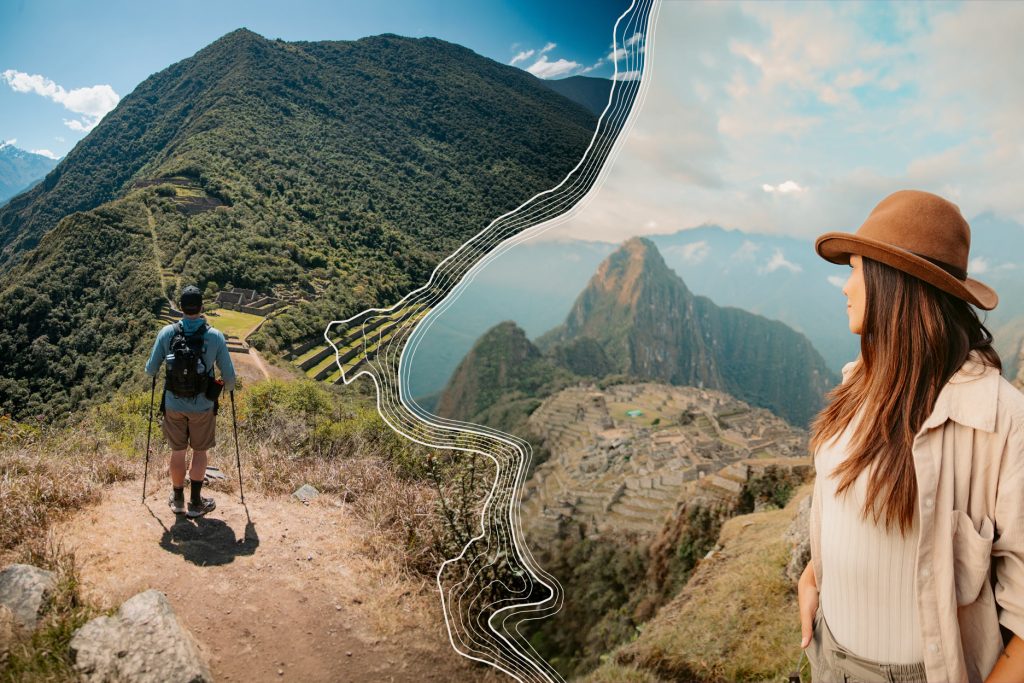
Yes, Choquequirao and Machu Picchu share architectural styles. Yes, they were likely built around the same period. And yes, they both perch dramatically above river valleys like they’re challenging gravity.
But the similarities end there.
Machu Picchu was likely a royal estate and ceremonial retreat. Choquequirao? That place was massive. Sprawling. Strategic. It controlled access routes between the Andes and the Amazon basin. It wasn’t just showing off. It was running things.
Calling Choquequirao a “sister city” helps people picture and place it mentally, but it also undersells how important it actually was.
Choquequirao Vs Machu Picchu
Let’s make something clear. Comparing Choquequirao to Machu Picchu is inevitable. Helpful, even. But only if it’s done honestly.
Machu Picchu is refined. Polished. Carefully managed. You arrive by train, follow a set route, and share the experience with a lot of other people who are also having a very big moment.
Choquequirao is none of that.
Choquequirao is bigger in physical size, rougher in form, and far quieter in spirit. There are no fixed circuits. No one telling you where to stand. No sense that the site has been tidied up to make your visit comfortable.
Machu Picchu feels like a revelation you’re invited to admire. Choquequirao feels like something you weren’t sure you were allowed to find.
One isn’t better. They’re just built a little differently and for different people. That’s not to say you can’t visit both!
Choquequirao’s Role After The Spanish Arrived
Here’s where things get really interesting.
When the Spanish invaded, the Incas didn’t vanish overnight. They retreated. Regrouped. Resisted. And Choquequirao became part of that story.
The city is believed to have played a key role during the resistance period, when the last Inca rulers withdrew deeper into the jungle stronghold of Vilcabamba. Choquequirao wasn’t abandoned immediately, but instead remained active, strategic, and defiant.
But eventually, disease, supply shortages, and relentless pressure forced the Incas to leave. The city was deserted on purpose, swallowed by vegetation, and quietly stepped out of history’s spotlight.
Until someone stumbled back into it centuries later.
Lost, Found, Forgotten (Again)
Local communities always knew Choquequirao was there. That’s important. It was never “lost” in the Indiana Jones sense.
But globally? It stayed off the radar.
Explorers and scholars began documenting the site in the 18th and 19th centuries, though it never received the same attention as Machu Picchu. When Hiram Bingham brought Machu Picchu to international attention in 1911, Choquequirao remained very difficult to reach, and therefore, easy to ignore.
No railway. No luxury hotels. No picture-perfect platforms. Just a long, punishing trek.
And that, ironically, is what saved it.
The Llamas, The Terraces, And The Mind-Bending Details
Choquequirao isn’t just impressive because it’s big. It’s impressive because it’s unique.
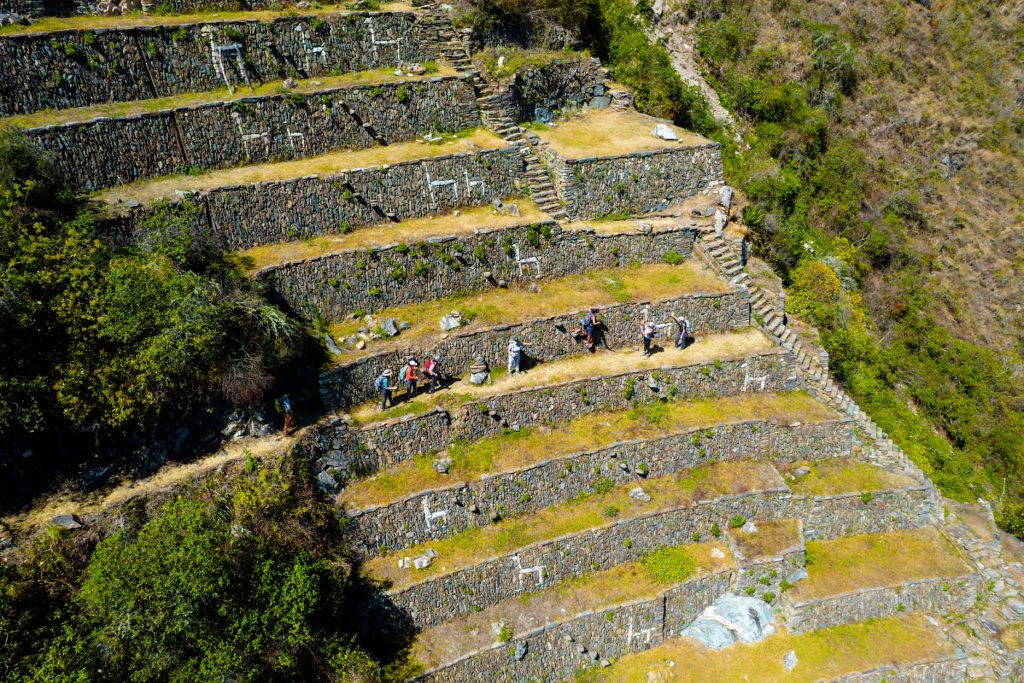
One of its most famous features is a series of terraces decorated with white stone llamas. But these aren’t carved statues as you might imagine. These are light colored stones set directly into the dark terrace walls. It’s intricate, symbolic, and completely unique among known Inca sites.
Then there are the ceremonial plazas, the elite living quarters, the water channels that still work, and the way the entire complex seems to mirror the surrounding mountains.
This wasn’t random construction. This was intentional, spiritual, and deeply tied to how the Incas understood the world.
Why Choquequirao Still Isn’t Crowded (And Probably Never Will Be)
There’s a reason you won’t find crowds here.
Getting to Choquequirao requires commitment. Multiple days of hiking. Big elevation changes. Early mornings. Dust. Sweat. And the occasional moment of questioning your life choices.
And that’s exactly the point.
While Machu Picchu welcomes one and a half million each year, Choquequirao sees only a fraction of that number. On some days, you might share the entire site with just a handful of other hikers. Or none at all.
No queues. No whistles. No timed circuits. No one ushering you along.
Just ruins, mountains, and the unsettling feeling that you’ve stepped somewhere you’re not entirely sure you were meant to find.
The Physical Reality Of Getting There
There’s no gentle way to say this: getting to Choquequirao is hard.
The trail drops fast into the Apurímac Canyon, where heat kicks in instead of altitude and the path seems to sink endlessly downward. Then, just when you’re good and humbled, it climbs. And climbs. And climbs some more.
Days are long. Elevation changes are real. Your legs will feel it. Your lungs will notice. And yes, there will be moments where you wonder why you didn’t choose something with a train and a café at the end.
But that effort is doing something important.
The physical challenge alters the experience. It slows you down. It makes arrival feel earned. When you finally step into the ruins, you don’t rush. You don’t skim over the view. You stand still longer than you expected to.
That’s not accidental. Choquequirao rewards patience, not speed. And by the time you reach it, you’re already in the right headspace to understand it.
The Future Of Choquequirao (And Why Now Matters)
There’s been talk for years about a cable car. Development. Easier access.
Maybe it’ll happen. Maybe it won’t.
But right now, Choquequirao exists in a rare state in the modern world: accessible enough for those willing to earn it, untouched enough to still feel raw.
This is the version of the Andes people used to stumble upon decades ago, long before safety rails and souvenir stalls. The kind of place that reminds you why exploration mattered in the first place.
Who Choquequirao Is Actually For
Choquequirao isn’t for everyone, and that’s not a bad thing.
It’s for people who don’t need a highlight reel every ten minutes. People who value silence as much as scenery. People who don’t mind effort if it leads to something awesome.
It’s for hikers who want their history paired with some of the most biodiverse natural environments imaginable. For travellers who care less about ticking boxes and more about how a place feels. For anyone who’s looked at Machu Picchu and thought, “I love this, but I wonder what else is out there.”
Choquequirao doesn’t ask for attention. But for the people who do pay it a visit? They tend to remember it long after the soreness fades.
Why People Who Trek Here Never Shut Up About It
Anyone who’s walked into Choquequirao tends to say the same thing afterward:
“It ruined other ruins for me.”
Because once you’ve stood in a city this big, this quiet, this real, everything else feels a bit… managed.
Choquequirao doesn’t put on a big show. It makes you work, then rewards you with something rare: the sense that you’ve genuinely discovered something.
The world knows Machu Picchu. Choquequirao is still waiting for the right people to show up. That could be you.

Leave A Reply