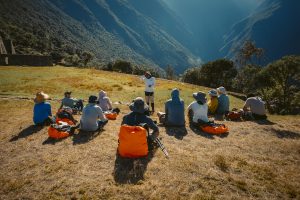

Choquequirao is not a “cute little hike.” It’s big. It’s remote. It’s steep in ways that feel personal. And it rewards preparation like nothing else in the Andes. Packing properly isn’t about having shiny gear for photos. Oh no. It’s about staying comfortable, safe, and sane over multiple days of serious trekking.
This guide breaks down exactly what to pack for the Choquequirao Trek, why each item matters, and where people usually get it wrong. No fluff. No gimmicks. Just a clear, professional gear list built for people who actually plan to finish the trek smiling.
Table of Contents
Understand The Reality Of The Choquequirao Trek
Before packing a single sock, it helps to understand what you’re walking into. You can expect:
- Long daily distances
- Huge elevation changes (up, down, up, down, repeat)
- Hot days, cold nights, and every kind of weather in between
- Limited access to supplies once you start
- Remote terrain where comfort equals safety
This isn’t the place to “wing it.” The right gear makes the difference between enjoying the ruins and counting every step in quiet misery.
The Golden Rule: Lightweight, Functional, Tested
If it hasn’t been worn, used, or broken in before the trek, it doesn’t belong in your pack. Choquequirao isn’t a fan of novelty.
Every item should meet at least one of these criteria:
- Keeps you dry
- Keeps you warm
- Keeps you moving
- Keeps you healthy
If it doesn’t earn its weight, it stays home.
Now, let’s get into the ultimate Choquequirao packing list.
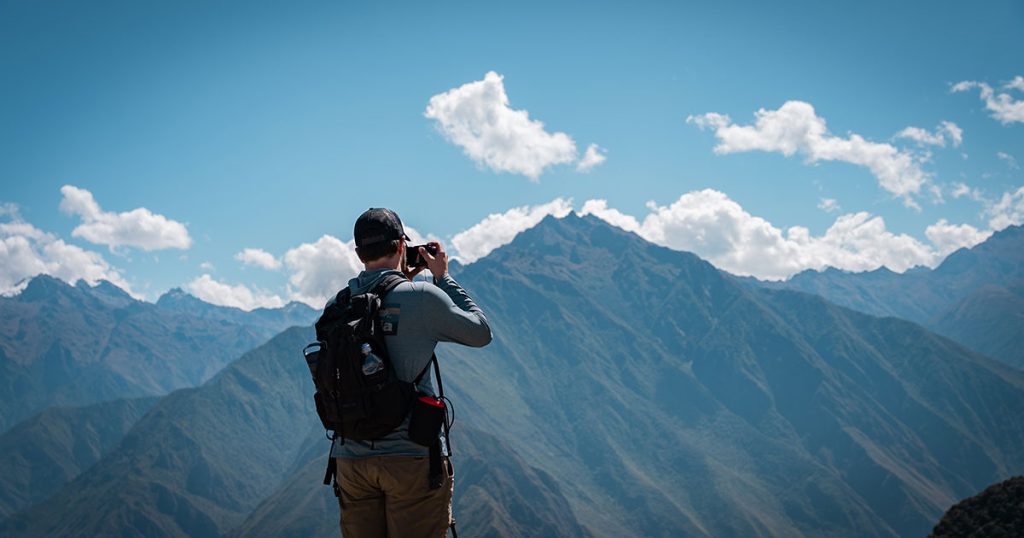
Backpack And Storage Essentials
Trekking Backpack (45-50L)
This is your mobile home if you’re carrying your bits by yourself.
Look for:
- Good hip belt support
- Adjustable torso length
- Rain cover (non-negotiable)
Avoid ultralight packs unless you’re genuinely experienced. Comfort beats grams on this trek.
Daypack
If your trek includes porters or pack animals (like ours do), a small daypack lets you hike light while keeping essentials handy.
Clothing: Layering Is Everything
Base Layers (2–3 Sets)
- Moisture-wicking tops
- Quick-dry trekking underwear
Cotton isn’t your friend here. Sweat happens. Rain happens. Drying fast matters.
Insulating Layer
- Fleece or lightweight insulated jacket
This is your warmth insurance for early mornings and cold camps.
Waterproof Outer Layer
- Waterproof jacket with hood
- Waterproof pants
If the jacket isn’t actually waterproof, don’t bring it. When rain comes, it isn’t forgiving.
Trekking Pants
- 2 pairs minimum
- Durable, breathable, flexible
Zip-offs are fine if you like them. Not required.
Shorts (Optional)
Nice for hot afternoons, but not essential.
Footwear: The Make-Or-Break Category
Trekking Boots Or Shoes
This item deserves real thought.
Choose:
- Broken-in footwear
- Strong grip
- Ankle support if you prefer stability
Blisters on Choquequirao can feel personal, so prevent them.
Camp Shoes Or Sandals
After 8–10 hours of walking, your feet will want freedom. Let them have it.
Socks (4–6 Pairs)
- Wool or technical blends
- No cotton
Rotate them. Air them out. Your feet will thank you quietly.
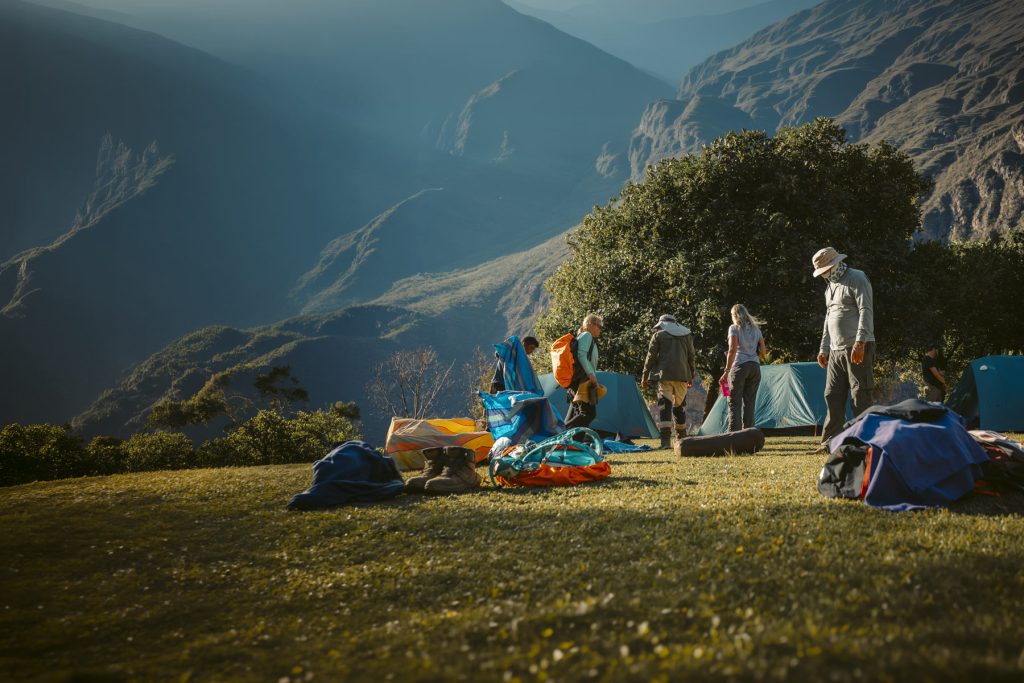
Sleeping Gear
Sleeping Bag (Cold-Rated)
Nights get cold. Colder than expected.
A bag rated for freezing temperatures is ideal. We think it’s better to unzip than shiver, right?
Sleeping Pad
Thin foam pads don’t cut it here. Insulation from the ground matters more than people think.
Trekking Equipment That Actually Helps
Trekking Poles
Not optional for many hikers.
They:
- Save knees on descents
- Improve balance
- Reduce fatigue
Your future self will be grateful.
Headlamp
Early starts and dark camps are normal in these parts. Hands-free light is essential.
Health, Hygiene, And Sanity Savers
First Aid Kit
Include:
- Blister treatment
- Pain relief
- Personal medications
- Electrolytes
Don’t rely on others to have what you need.
Toiletries (Minimal)
- Toothbrush
- Toothpaste
- Wet wipes
- Hand sanitiser
Keep it simple. No one is judging your skincare routine out here.
Sun Protection
- High-SPF sunscreen (50+)
- Lip balm with SPF
- Sunglasses
- Hat
The sun at altitude doesn’t mess around.
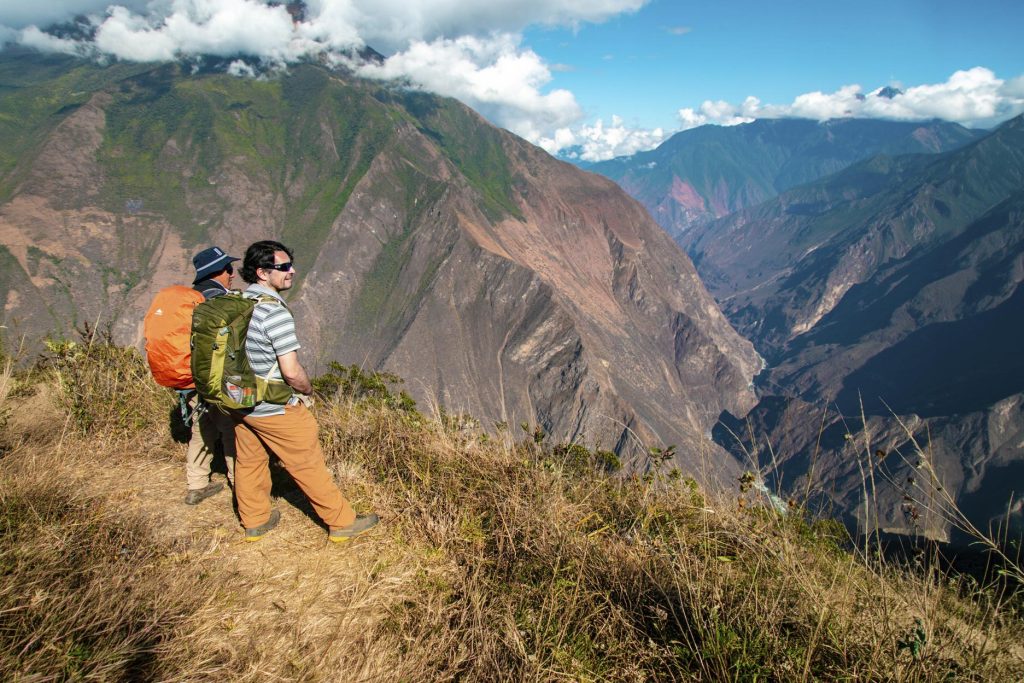
Tech And Documents
- Phone and camera: For photos, navigation, and emergencies.
- Portable charger: Power outlets don’t exist in the wilderness. One solid power bank is usually enough.
- Travel documents and cash: Keep them in a waterproof pouch. Remote villages may sell snacks, but won’t take cards.
Food And Snacks
If meals are included, bring backup energy anyway.
Good options include:
- Protein bars
- Trail mix
- Electrolyte powders
- Comfort snacks you actually enjoy
Morale matters on long days.
What People Overpack (And Regret)
- Extra jeans
- Heavy books
- Full-size toiletries
- Multiple “just in case” outfits
Choquequirao teaches minimalism fast. Learn early.
What People Underpack (And Also Regret)
- Warm layers
- Rain protection
- Electrolytes
- Blister care
Discomfort compounds quickly on this trek.
What Goes In Your Daypack Vs What Stays With The Mules
This is one of the most misunderstood parts of trekking the Choquequirao route, and getting it wrong makes every uphill feel longer than it needs to be.
Your daypack is for anything you’ll want during the hike. Think frequent access, not survival gear. This usually includes:
- Water
- Snacks
- Sunscreen and lip balm
- Rain jacket
- Camera or phone
- Hat and sunglasses
- Small first aid items
- Trekking poles when not in use
If you’ll need it without stopping the group, it belongs here.
Everything else can stay with the mules, including:
- Sleeping bag
- Extra clothes
- Toiletries
- Camp shoes
- Anything else you only need at camp
The goal is to hike light, not prove something to your knees. A lighter daypack means better balance, more energy, and a much better experience with those long, long descents.
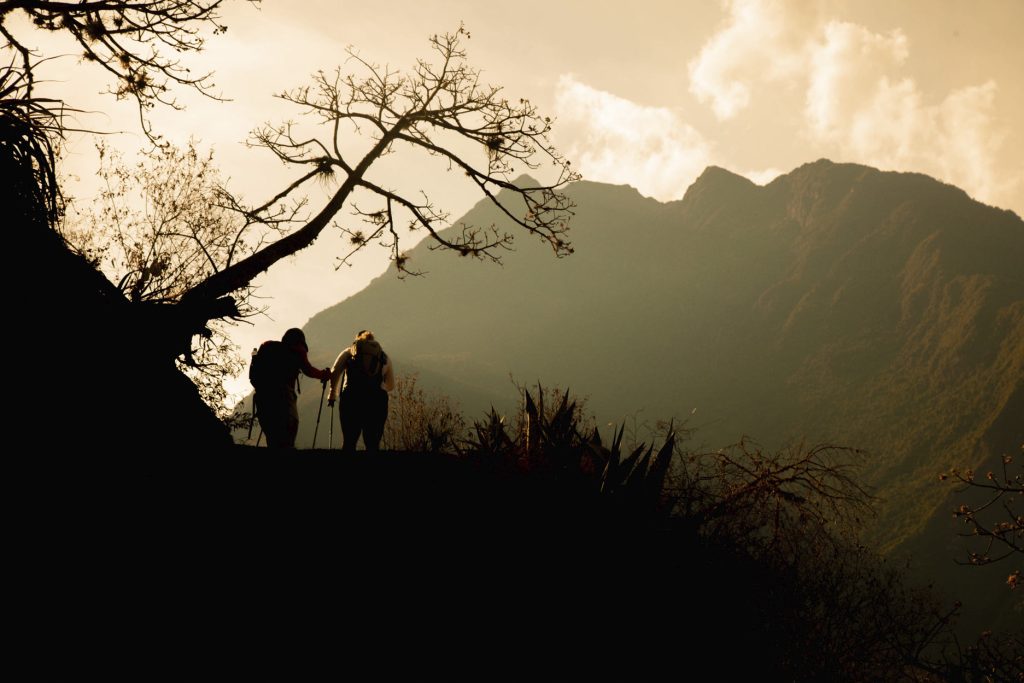
How Much Weight Is Too Much On Choquequirao
Short answer? Less than you think.
A good rule of thumb is that your daypack should weigh no more than 10–15% of your body weight. For most people, that lands somewhere between 12–18 pounds (5–8 kg) once water is included.
Anything heavier starts will really show itself during:
- Long uphill climbs
- Knee-heavy descents
- Day three fatigue
People often assume they’ll “get used to it.” Sometimes they do. Sometimes they just get slower and more uncomfortable.
Choquequirao isn’t technical, but it is relentless. Keeping your pack weight reasonable lets you enjoy the trek instead of negotiating with gravity and your calves all day.
Renting Vs Buying Gear In Peru
This is great news for anyone flying in without a full trekking closet, because in all seriousness, who does that?
Good items to rent in Peru:
- Sleeping bags
- Trekking poles
- Sleeping pads
These are bulky, easy to inspect before use, and generally well-maintained by reputable operators.
Items you should always bring or buy personally upon arrival:
- Boots or trekking shoes (must be worn in)
- Socks
- Base layers
- Backpack
Footwear and clothing are personal. What works for someone else might ruin your week.
If you’re debating whether to buy something new for this trek, ask yourself one question: Will I use this again? If yes, buy quality. If not, renting makes sense.
Luxury Items That Are Actually Worth The Weight
Choquequirao rewards minimalism, but a few “luxury” items earn their place.
Some favorites that consistently feel worth it are:
- Inflatable pillow: tiny weight, huge sleep upgrade
- Extra pair of dry socks: morale boost at camp
- Lightweight camp layer: something warm that isn’t your hiking jacket
These aren’t necessities, but they make camp time more comfortable, and comfort matters more than people care to admit.
Common Packing Mistakes On The Choquequirao Trek
Even experienced hikers fall into these traps.
- New boots: If they’re not broken in, they’re a gamble. Choquequirao doesn’t forgive blisters.
- Too many clothes: You’ll rotate the same favorites. Extra outfits just add weight.
- Underestimating rain: Even in the dry season, weather changes quickly. Waterproof gear is not optional.
- Forgetting sun exposure: Cloudy days still burn. Altitude sun can get through anything in its way.
- Ignoring weight until it’s too late: If your pack feels heavy on day one, it’ll feel personal by day four.
Avoid these, and you’re already ahead of the curve.
How Good Gear Changes The Entire Trek Experience
There’s a big difference between surviving Choquequirao and actually enjoying it.
When your boots don’t hurt, your pack sits right, and your layers work the way they should, everything else feels easier. You notice the landscape more. You arrive at camp with energy. You wake up ready instead of stiff and grumpy.
Good gear doesn’t make the trek easy. Choquequirao is still Choquequirao. But it makes it smoother, safer, and far more enjoyable.
And when the logistics are handled well and your gear works with you instead of against you, the experience shifts. The trek stops feeling like a challenge to endure and starts feeling like an adventure you’re glad you committed to.
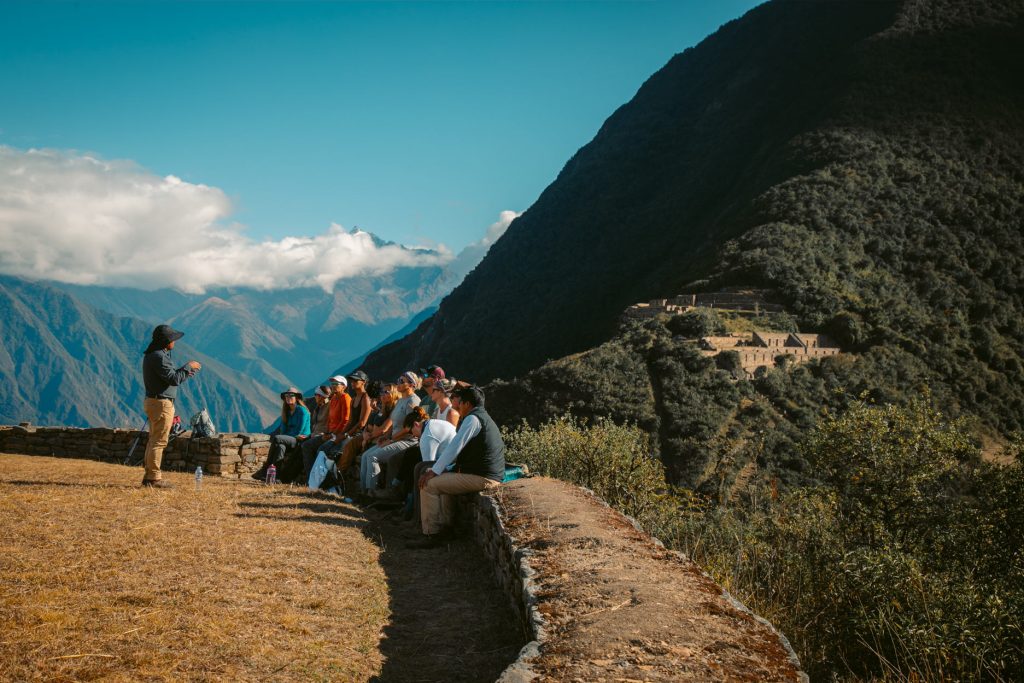
A Final Gear Check The Night Before You Start
The night before the Choquequirao Trek isn’t the time for big decisions. It’s the time for quiet double-checking.
Lay everything out. All of it. Seeing your gear in one place makes problems obvious fast and can put your mind at ease before the big day tomorrow.
Start with your daypack:
- Water system filled and working
- Snacks portioned and accessible
- Rain jacket where you can grab it without thinking
- Sunscreen, lip balm, and sunglasses ready to go
- Headlamp checked and switched on
Then check what’s heading off with the mules:
- Sleeping bag rated for cold nights
- Clean, dry clothes for camp
- Warm layer you’re not hiking in
- Toiletries and personal items
Finally, do a quick reality check:
- Nothing new or untested
- Nothing “just in case” that hasn’t earned its weight
- Nothing essential buried at the bottom
If your pack feels calm and organised, that’s a good sign. The trail is challenging enough and your gear shouldn’t add stress before you even take the first step.
Why Preparation Makes The Experience Better
Choquequirao is one of the most rewarding treks in Peru, but it asks a lot from your body and mindset. When your gear works, the trail fades into the background, and the experience takes center stage. The ruins feel more powerful. The landscapes hit harder. The days flow better.
And when everything is set up as it should be, from boots to backpack, you’re free to focus on why you came in the first place: the journey, not the struggle.
A well-packed trek isn’t just easier. It’s better.

Leave A Reply