
High in the Andes, where cloud forests cover steep slopes and stone staircases seem to defy gravity, there’s an Inca structure waiting for you to discover. Its name? Choquequirao. It sounds powerful. Ancient. A little mysterious. And that’s not an accident.
In the Andes, names aren’t labels slapped onto a map for convenience. They are stories. They are beliefs. They are instructions for how to behave in a place. This is where sacred toponymy comes in: the idea that place names carry spiritual, cultural, and historical meaning.
Understanding what “Choquequirao” really means does more than satisfy curiosity. It changes how travelers experience the landscape, how they move through it, and why trekking here still feels so different from anywhere else in Peru.
This isn’t just about translating the name. It’s about perspective.
Table of Contents
What Is Sacred Toponymy, And Why Does It Matter In The Andes?
Toponymy is the study of place names. Sacred toponymy goes a step further. It asks why a place was named what it was, and what that name was meant to tell you.
In Andean cultures, names were never given out randomly. Mountains, rivers, passes, and settlements were often named for:
- The spiritual forces believed to live there
- Natural features that demanded respect
- Mythological events tied to the land
- Ritual functions performed at the site
A name was a warning, a lesson, and a reminder all at once.
To walk through the Andes without understanding this is a bit like visiting a cathedral and never looking up. You can still enjoy the beauty, but you miss the point of why everything is where it is.
Breaking Down The Word “Choquequirao”
Let’s start with the basics.
The name Choquequirao comes from Quechua, the language of the Inca and one that many Andean communities still speak today. While scholars continue to dispute the exact translation, most agree it breaks down into two main parts:
- Chuqi / Choqe – meaning gold, precious metal, or something highly valuable
- K’iraw / K’irao – meaning cradle, bed, or resting place
Put together, Choquequirao is commonly translated as “Cradle Of Gold”.
That word cradle matters. This isn’t about stored treasure or material wealth. It suggests origin, protection, and beginnings. Something valuable is born here. Something sacred is nurtured.
This alone changes how the site feels underfoot.
Gold Didn’t Mean What You Think It Meant
Here’s where modern assumptions can trip us up.
Gold wasn’t valuable to the Incas because it could be traded or hoarded. Gold was sacred because it reflected the sun, which was extremely important to Andean cosmology. It was symbolic, not economic.
Calling a place the “Cradle of Gold” wasn’t about showing off or seeming powerful, which could be seen as an invitation for conquest. It was a statement of spiritual importance.
Choquequirao wasn’t famous because it was rich. It was important because it was powerful.
A Sacred Place Before It Was An Archaeological Site
Long before trekkers started counting how many times they’d zig-zagged up and down a path and what their elevation gain was, Choquequirao was part of a vast sacred landscape. It wasn’t isolated. It was connected.
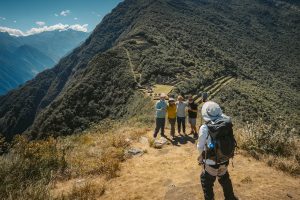
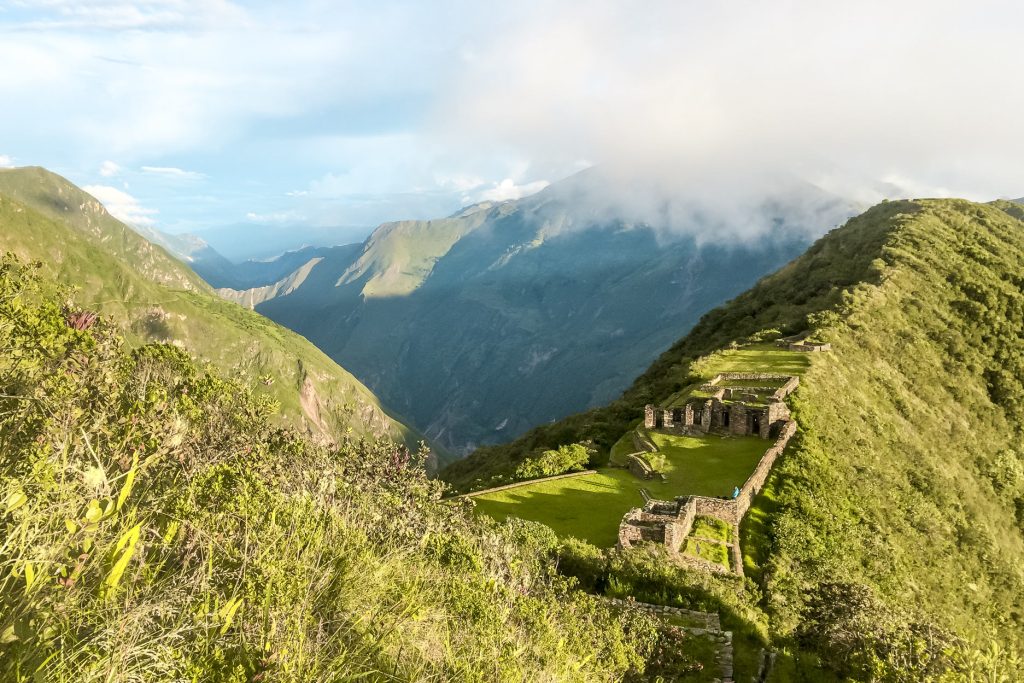
The site sits across the Apurímac Canyon from Machu Picchu and is believed to have played a ceremonial, political, and strategic role in the later years of the Inca Empire.
Many archaeologists believe it was:
- A ceremonial center
- A place of elite residence
- A spiritual outpost tied to mountain worship
- A refuge during the Spanish invasion
The name supports this. A “cradle” implies continuity. Protection. A place where something is kept alive.
This wasn’t just architecture. It was intention and deep meaning carved into stone.
Why The Mountains Around Choquequirao Matter
In Andean belief systems, mountains aren’t simply pretty scenery. They are beings known as Apus, and these peaks were seen as living protectors with personalities, moods, and power.
Choquequirao is surrounded by some of the most dramatic mountains in the region, and its placement was deliberate.
The name implies that this was a place under guardianship. A cradle watched over by the surrounding Apus. A site chosen not just for defense or views, but for cosmic alignment, which was of great significance to the Incas.
Understanding this shifts the experience of the trek. The landscape stops being a backdrop and starts feeling like a presence, guiding you and protecting you along the trail.
Why Choquequirao Still Feels Different Today
Anyone who has trekked to Choquequirao notices something almost as soon as they step foot on the route. It feels quieter. Heavier. More introspective.
This isn’t just because fewer people visit. The name carries weight, and places tend to live up to their names.
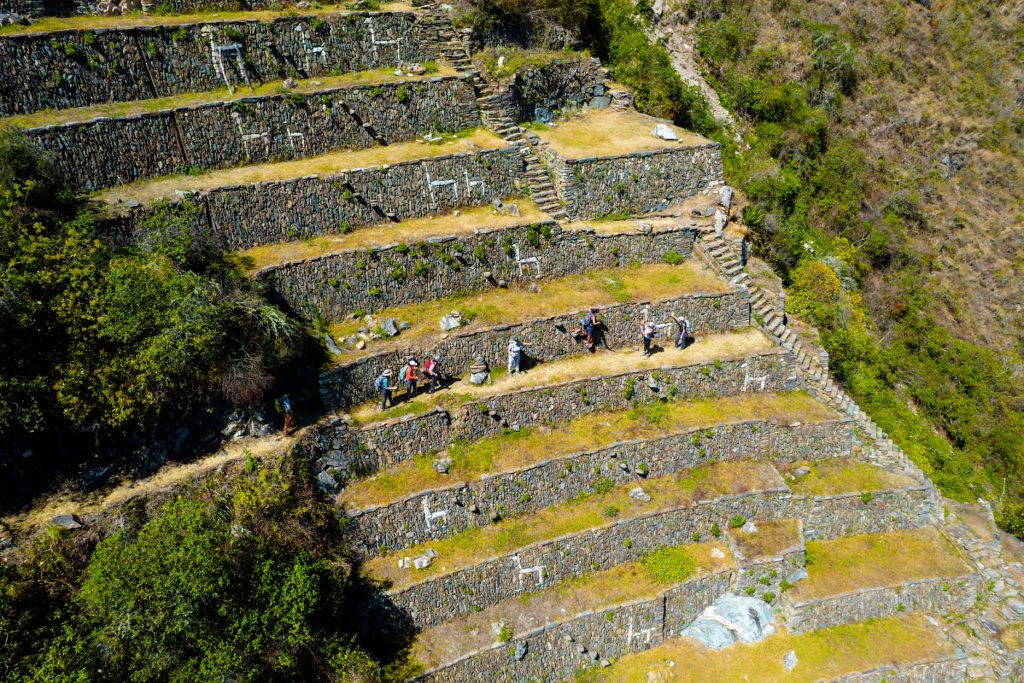
Choquequirao doesn’t suddenly appear and announce itself to visitors. It reveals itself slowly. Terraces emerge from the forest. Stonework appears where you least expect it.
The sense of discovery here isn’t manufactured. It’s earned along the challenging trail.
And that experience is deeply tied to what the place was always meant to be: a cradle, not a spectacle.
Sacred Names As Instructions For Travelers
One of the most overlooked aspects of sacred toponymy is that names have a way of telling you how to behave.
Choquequirao’s name suggests respect. Patience. Humility.
This isn’t a place to rush around. It’s not a place for boxes ticked and selfies grabbed. It rewards those who move slowly, notice the details, and accept discomfort as part of the process.
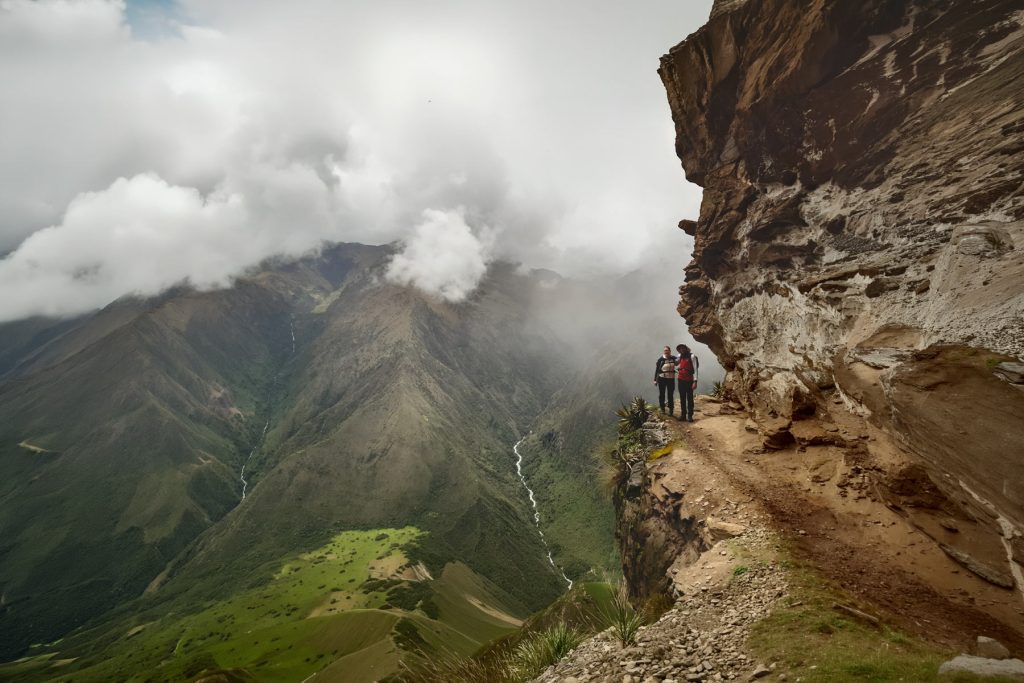
The trek itself reflects this philosophy. Long days. Big climbs. No shortcuts.
The name was never meant to attract crowds. It was meant to protect what mattered.
What Sacred Toponymy Teaches Modern Trekkers
When travelers understand the meaning behind Choquequirao, something interesting happens. The journey becomes less about distance and more about depth. Meaning. Understanding.
People start asking different questions:
- Why was this built here?
- What rituals happened on these terraces?
- What stories were carried along these paths?
This awareness transforms trekking from a physical challenge into a conversation about culture and history.
It also creates a great sense of respect. Sacred places survive when people appreciate them for what they once were and still are today.
Why Choquequirao Still Matters In A Modern World
In a time when many destinations are marketed, filtered, and streamlined, Choquequirao resists simplification and modernization.
Its name reminds us that not everything exists to be consumed quickly. Some places ask a lot of us before they give anything back.
Choquequirao matters because it represents:
- Slowness in a fast world
- Meaning beyond metrics
- Travel that changes perspective, not just your location on a map
Sacred toponymy keeps these values alive, long after empires fall.
Walking With Context Changes Everything
Trekking through the Andes without understanding the names of places is like reading a book with half of the pages missing.
When travelers know what Choquequirao means, the silence feels intentional. The effort feels purposeful. The reward feels well and truly earned.
This is why guided trekking still matters. Having context doesn’t dilute your adventure. It deepens it.
The mountains have always been speaking. The names are how they start the conversation.
Why This Knowledge Belongs On The Trail, Not Just In Books
Sacred toponymy isn’t something you should know about just to answer a trivia question right. It’s important knowledge for anyone setting foot in these incredible landscapes.
Understanding Choquequirao’s meaning encourages trekkers to be:
- More mindful
- Hold a greater respect for local culture
- Develop a stronger connection to the place
- Have a deeper appreciation for effort and endurance
This is the kind of insight that turns a trek into a story worth telling and not just a route you completed.
Carrying The Meaning Forward
Choquequirao was never meant to be loud, fancy, or seen as a marvel. Its power lies in what it protects, not what it shows off.
Knowing that its name means “Cradle of Gold” changes how you see everything. The ruins aren’t simply remnants of the past. They are caretakers of something that’s still alive.
For travelers willing to meet the Andes on their own terms, this knowledge becomes part of the journey itself.
And once you understand that, choosing to walk these ancient paths feels less like a vacation decision and more like a quiet yes to something deeper, older, and far more rewarding than the obvious route.

Leave A Reply