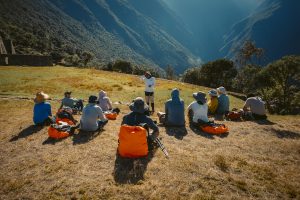

Some treks take you to an iconic destination. Others take you on a journey through history and remote wilderness.
The Choquequirao to Machu Picchu Trek does both. It connects two extraordinary Inca cities through some of the most remote, rugged, and breathtaking landscapes in Peru. This is by no means a shortcut, a sightseeing stroll, or a box to tick on your bucket list. It’s a full-on expedition that rewards commitment, a little curiosity, and a love for the wild side of adventure travel.
From the vast, rarely visited ruins of Choquequirao to the iconic stone citadel of Machu Picchu, this trek is about earning every step and every view.
We’re here to walk you through the journey and provide our top preparation tips for the trip of a lifetime. So, grab a coca tea and a notebook. This is one long but rewarding trail.
Table of Contents
What Is The Choquequirao To Machu Picchu Trek?
The Choquequirao to Machu Picchu Trek is a long-distance, high-altitude trekking route that links two of the most important archaeological sites in what was once the Inca Empire. Over roughly 7 to 9 days, trekkers cross deep canyons, high mountain passes, cloud forests, and ancient Inca pathways. The best bit? You can do all this without seeing another trekking group for days. Seriously.
Unlike shorter or more commercial routes, this trek is defined by:
- Remoteness
- Scale
- Dramatic elevation changes
- Minimal civilization
- A powerful sense of exploration
It’s one of the most immersive trekking experiences in Peru and remains firmly off the mainstream radar.
Why This Trek Is So Legendary
There are many ways to reach Machu Picchu. The Inca Trail, Salkantay Trek, or even just for a day by train. This is the one for travelers who want the story behind the buildings. The story that’s woven into the mountains.
What Sets It Apart
- Combines two major Inca archaeological sites in one trip
- Much smaller crowds than classic trekking routes
- Constantly changing landscapes and climates
- A true expedition feel from start to finish
- Deep cultural and historical immersion
The Route At A Glance
The journey begins in the highlands above the Apurímac Canyon and slowly winds through some of southern Peru’s most dramatic terrain before ending at the World Wonder that is Machu Picchu.
Along the way, trekkers experience:
- Steep canyon descents and lung-burning climbs
- Alpine plateaus with snow-capped peaks
- Subtropical valleys and cloud forest
- Remote villages untouched by mass tourism
Every day feels different, and that’s part of the magic.
The Experience On The Trail
Into The Apurímac Canyon
The trek opens with a dramatic descent into one of the deepest canyons in Peru. A canyon that’s deeper than the Grand Canyon. Temperatures rise, the terrain steepens, and the sense of isolation begins almost right away.
These early days set the tone: this is a serious trek, but the scenery makes every step worthwhile.
Discovering Choquequirao
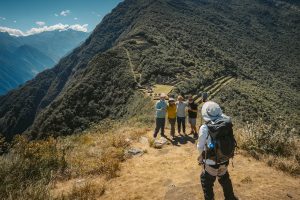
Reaching Choquequirao feels like arriving at a forgotten world.
Spread across a massive mountainside, you’ll explore:
- Ceremonial plazas
- Residential sectors
- Agricultural terraces
- Temples and ritual spaces
- Iconic llama-shaped stone mosaics
With only a fraction of the site excavated, walking around Choquequirao feels raw and intimate. It’s more like a discovery than sightseeing.
High Passes And Remote Andes
Leaving Choquequirao behind, the route climbs into remote high-altitude terrain. These are the most physically demanding days, including long ascents and exposed mountain passes.
The reward?
- Endless views of the Andes
- Near-total silence
- A powerful sense of accomplishment
This is where the trek truly earns its reputation.
Arrival At Machu Picchu
After days of isolation and effort, arriving at Machu Picchu feels almost surreal. The sudden presence of stone staircases, terraces, and temples feels almost otherworldly and deeply emotional. Oh, and so does the first shower you’ve had in days. And as a bonus? You get to rest those tired muscles in the hot springs before the final journey back to Cusco.
Choquequirao Vs Machu Picchu: Two Lost Cities, Two Very Different Stories
One of the greatest parts of this trek is the chance to experience two Inca cities that feel completely different in atmosphere and scale, despite being from the same historical period.
Choquequirao: The Hidden Giant
Often referred to as Machu Picchu’s “sister city,” Choquequirao is believed to be larger but remains mostly unexcavated.
What defines Choquequirao:
- Vast, sprawling layout
- Minimal restoration
- Extremely low visitor numbers
- Rugged, dramatic setting
- Strong sense of mystery
Exploring Choquequirao feels like stepping into an active archaeological story still being uncovered. You feel part of the discovery.
Machu Picchu: The Masterpiece
Machu Picchu represents the architectural peak of the Inca Empire.
What defines Machu Picchu:
- Meticulously restored structures
- Sophisticated urban planning
- Precise stone masonry
- Global recognition and protection
- High daily visitor numbers
It’s polished, iconic, and undeniably awe-inspiring.
What They Share
Despite their differences, both sites:
- Are strategically positioned in the mountains
- Display advanced Inca engineering
- Blend ceremonial, residential, and agricultural spaces
- Show deep spiritual alignment with nature
Together, they offer a rare, full-spectrum look at Inca civilization, from tactical positioning to architectural brilliance.
How Difficult Is The Choquequirao To Machu Picchu Trek?
There’s no denying this trek is challenging, both physically and mentally.
You should expect:
- Long trekking days
- Steep ascents and descents
- Multiple high-altitude passes
- Remote conditions with limited human interaction
This route is best suited for experienced hikers or travelers who are willing to put in the effort and train beforehand.
Altitude: What You Need To Know
Altitude plays a major role in this trek, with several sections going above 15,000 feet (4,500 meters).
Check out our smart acclimatization tips:
- Spend at least 2-3 days at altitude before starting
- Stay hydrated and avoid alcohol before the trip
- Eat regularly
- Pace yourself (slow and steady wins every time)
Respecting the altitude means the difference between enjoying the trek and merely surviving it.
Training & Preparation
Preparation isn’t optional here. It’s part of the experience. While you’re at home, make time for:
- Cardiovascular conditioning
- Strength training for legs and core
- Long hikes with a loaded backpack
- Stair climbing or hill training
The better prepared you are, the more you’ll enjoy the journey.
What To Pack For The Trek
The weather along the trail can be unpredictable, and the last thing you want is to be caught in harsh winds with just a thin layer to protect you. Don’t worry, here’s what to take:
Clothing essentials:
- Moisture-wicking base layers
- Warm insulating layers
- Waterproof jacket and pants
- Hiking pants
- Gloves, beanie, sun hat
Footwear:
- Broken-in hiking boots
- Quality hiking socks
- Camp shoes or sandals
Additional gear and accessories:
- Trekking poles
- Headlamp
- Sunglasses
- Sunscreen
- Refillable water bottles or hydration system
- Toiletries and personal medication
Packing smart reduces fatigue and increases comfort on those long days. And trust us, there’ll be plenty.
Weather On The Choquequirao To Machu Picchu Trek: What To Expect By Season
As we just mentioned, weather plays a major role in the Choquequirao to Machu Picchu Trek. This route crosses multiple ecosystems, from deep river canyons to high alpine passes and cloud forest, meaning conditions can shift dramatically over the course of a single day.
The good news? This trek is doable year-round, as long as you understand what each season brings and pack accordingly.
Dry Season (May To September): The Most Popular Choice
The dry season is considered the best time to hike the Choquequirao to Machu Picchu Trek, and for good reason.
What to expect:
- Clear skies and expansive mountain views
- Cooler daytime temperatures at altitude
- Cold nights, especially at higher camps
- More stable trail conditions
July and August are the driest months, offering high visibility but also colder mornings and evenings. Layers are essential.
This season is ideal for trekkers who want the classic Andean trekking experience with predictable conditions and dramatic scenery.
Shoulder Seasons (April & October): The Sweet Spot
The shoulder months are sometimes overlooked, and that’s a mistake.
Why they’re great:
- Fewer trekkers on the trail
- Milder temperatures
- Lush landscapes from recent rains
- Generally stable weather with occasional showers
May offers greener valleys and blooming plant life, while October offers clearer skies with slightly warmer nights than mid dry season.
For many experienced hikers, the shoulder seasons offer the best balance between weather, scenery, and solitude.
Wet Season (November To March): Challenging But Rewarding
The wet season transforms the landscape and the trekking experience.
Why it’s different:
- Frequent rain, especially in the afternoons
- Muddy and more demanding trail conditions
- Increased humidity in lower elevations
- Dramatically green scenery and powerful waterfalls
January and February are the wettest months. While conditions are tougher, the trek is still possible with proper preparation and flexibility. Fewer trekkers attempt the route during this time, making it ideal for those who value solitude and don’t mind getting a little muddy. Just be aware that some tour operators don’t offer the trail at this time of year due to a higher risk.
Good rain gear and realistic expectations are essential during the wet season.
Year-Round Weather Realities
In reality, no matter the season, trekkers should be prepared for:
- Rapid temperature changes
- Strong sun exposure due to high altitude
- Cold nights, even in dry months
- Microclimates that change from canyon to pass
Believe us when we say that layering isn’t optional on this trek; it’s a survival strategy.
So, When Is The Best Time To Go?
There’s no single “perfect” season, only the best season for what you’re looking for.
Want clear skies and stable conditions? Aim for the dry season. Prefer fewer crowds and greener landscapes? Shoulder months are ideal. Looking for solitude and don’t mind a bit of rain? The wet season delivers a wilder experience.
No matter when you go, the Choquequirao to Machu Picchu Trek rewards preparation (and respect for the mountains).
Food On The Trail
Despite the remote setting, meals on the trek are hearty and thoughtfully prepared. Yep, chefs will be by your side all the way.
You can expect to fill your stomach with:
- Hot breakfasts
- Energizing trail lunches
- Filling dinners
- Daily snacks
Calories are fuel, and you’ll use them up, so don’t be afraid to skimp at mealtimes.
Why Choose This Trek?
The Choquequirao to Machu Picchu Trek is a real winner when it comes to route choice because it offers:
- Depth instead of convenience
- Exploration instead of crowds
- Connection instead of shortcuts
This is not the easiest way to reach Machu Picchu, and that’s exactly the point.
The Journey Through Time That’s Worth The Effort
From one lost city to another, the Choquequirao to Machu Picchu Trek is a journey that challenges the body, feeds the soul, and reshapes how travelers experience Peru.
It’s demanding. It’s remote. It’s unforgettable.
For those ready to commit, this trek isn’t just a highlight of a trip; it’s a lifetime memory created one step at a time.

Leave A Reply