

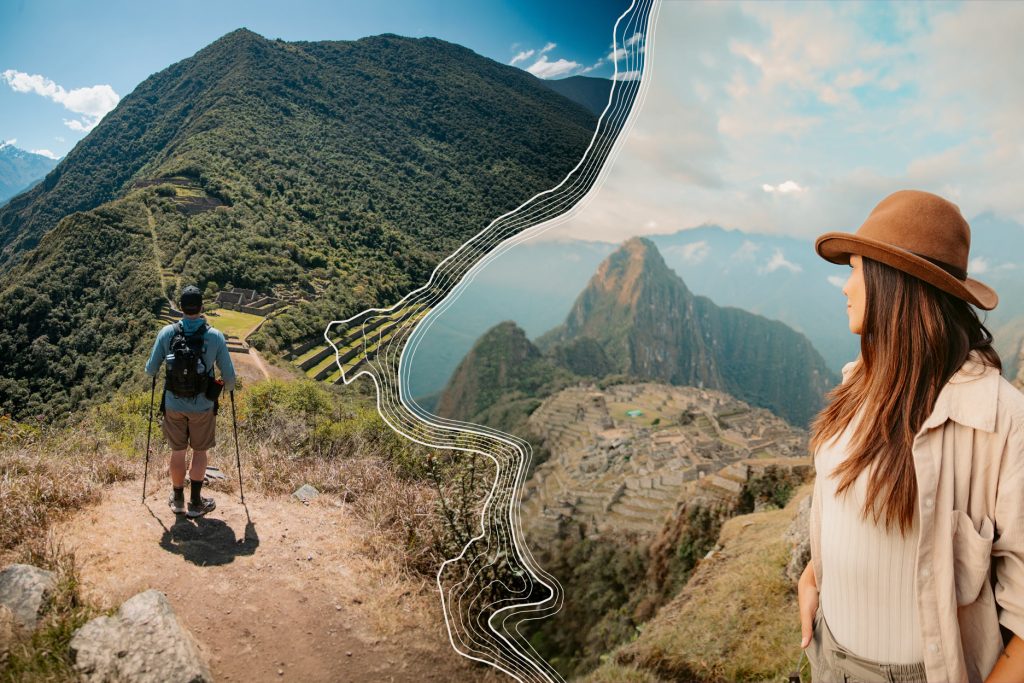
Stone paths don’t usually feel dramatic. Yet somewhere high in the Andes, they absolutely do. Long before guidebooks, GPS trackers, or laminated park permits, the Incas built a road system so clever it still confuses modern engineers. And one of its most fascinating stretches ran between two huge and powerful citadels: Choquequirao and Machu Picchu.
This wasn’t a casual footpath etched into a hillside. It was a living network of bridges, staircases, drainage systems, and high-altitude highways that pieced an empire together.
Today, hiking these trails isn’t just about scenery or bragging rights. It’s about walking through a miracle of ancient logistics that quietly shaped Andean life. And yes, your legs will notice the dramatic descents and clambering climbs.
Below we cover everything you need to know about the Inca engineering on the route from Choquequirao to Machu Picchu. So, strap on your hiking boots and let us walk you through it (pun totally intended).
Table of Contents
An Empire Held Together By Stone And Strategy
The Inca road system, known as the Qhapaq Ñan, spanned over 24,000 miles. That’s not a typo. It was that big and crossed deserts, jungles, glacial passes, and cloud forests without the help of iron tools, wheeled vehicles, or written maps.
The route linking Choquequirao and Machu Picchu sat deep within this system. It wasn’t the busiest road in the empire, but it was strategically vital. Choquequirao functioned as a major administrative and ceremonial center, while Machu Picchu served as a royal estate and spiritual retreat. Connecting the two meant maintaining political control, religious continuity, and trade across some of the roughest terrain imaginable.
All with stones. Lots of stones.
The Relay System That Made Distance Irrelevant
A road was only useful if information could move fast along it. The Incas solved this with chasquis who were elite runners trained to sprint between relay stations called tambos. Each runner covered a short distance, passed on messages or goods, and handed off the responsibility to the next.
This system meant news could travel hundreds of miles in days instead of weeks. Fresh fish reached the highlands. Orders from Cusco reached remote strongholds. The road between Choquequirao and Machu Picchu wasn’t just for walking. It was part of an empire-wide communication network that functioned with excellent precision.
When you hike these paths today, you’re following a route once designed for speed. Which makes modern snack breaks on the trail feel slightly indulgent, but no one’s judging.
Bridges That Defied Gravity (And Common Sense)
Rivers in the Andes weren’t placed out of politeness. They roar, flood, change course, and generally refuse to cooperate with anyone who comes close. The Incas solution was bridges, and ingenious ones at that.
Some were stone causeways anchored directly into cliffs. Others were suspension bridges woven from ichu grass, flexible enough to sway with wind and water rather than snap under pressure. These bridges weren’t temporary fixes. They were rebuilt annually by local communities, a ritual that doubled as infrastructure maintenance and socialization.
Walking near these crossing points today, it’s hard not to pause and think about how someone once carried supplies, messages, and probably mild panic across this exact span, without railings to hold onto.
Tambos: The Original Trail Infrastructure
Hidden along these ancient roads were Inca waystations that offered food storage, lodging, and supplies, and they were known as tambos. Think less cozy mountain hut, more logistical backbone of an empire.
Their placement was no accident. Distances between tambos matched human endurance at such an altitude. Supplies were stored strategically to support officials, runners, and armies. This allowed long journeys through extreme terrain without travelers carrying everything on their backs.
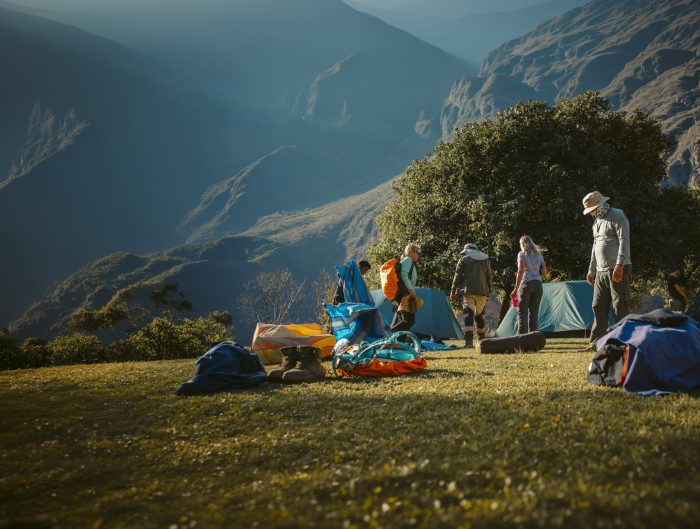
Sound familiar? Modern trekking routes still rely on the same logic: smart spacing between camps, reliable rest points, and an understanding that humans can only go so far before they need a bowl of rich and nutritious Andean soup.
Trails Designed For Feet, Not Wheels
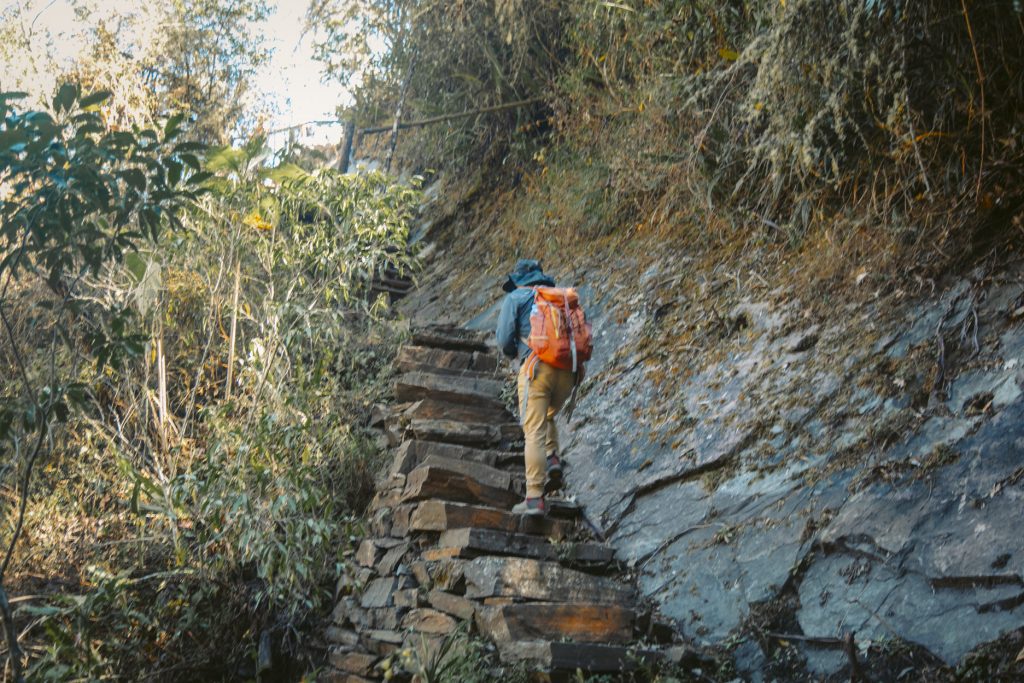
One of the reasons these routes still exist is simple: they were designed perfectly for walking.
Inca engineers understood the slopes’ limits, erosion control, and human endurance. Trails zigzag instead of climbing straight up. Stone steps vary in height depending on the gradient. Drainage channels prevent paths from washing away during heavy rain.
This wasn’t accidental. It was data-driven design, learned through centuries of trial, error, and probably some spectacular falls.
Modern hikers benefit massively from this ancient planning. Even on brutal ascents, the trail often feels logical, almost considerate, that is right up until altitude reminds everyone who’s in charge.
Choquequirao: The Starting Point That Refuses To Be Overshadowed
Often called Machu Picchu’s sister, Choquequirao is bigger, wilder, and far less visited. It sprawls across a ridge above the Apurímac River, with terraces spilling down steep slopes and ceremonial spaces still emerging from the jungle.
From here, the ancient road pushed north through high passes and remote valleys. This wasn’t a tourist corridor. It was a controlled route, likely used by officials, messengers, and elite travelers. Privacy mattered. Security mattered. And so did symbolism.
Walking away from Choquequirao today feels like leaving something unfinished, and that’s because archaeologists still are. Only 30-40% has actually been uncovered up til now, so we think.
Why These Trails Were Also Acts Of Power
Building a road through impossible terrain wasn’t just practical. It was political. Roads symbolized control. They announced their presence. They said, very clearly, “We are here, and we’re staying.”
By carving routes between Choquequirao and Machu Picchu, the Incas reinforced authority across the region. Movement became regulated. Sacred sites became linked. The empire became connected as one.
Walking these roads today still carries that weight. You feel the intention in every turn.
Machu Picchu: The Destination With Layers
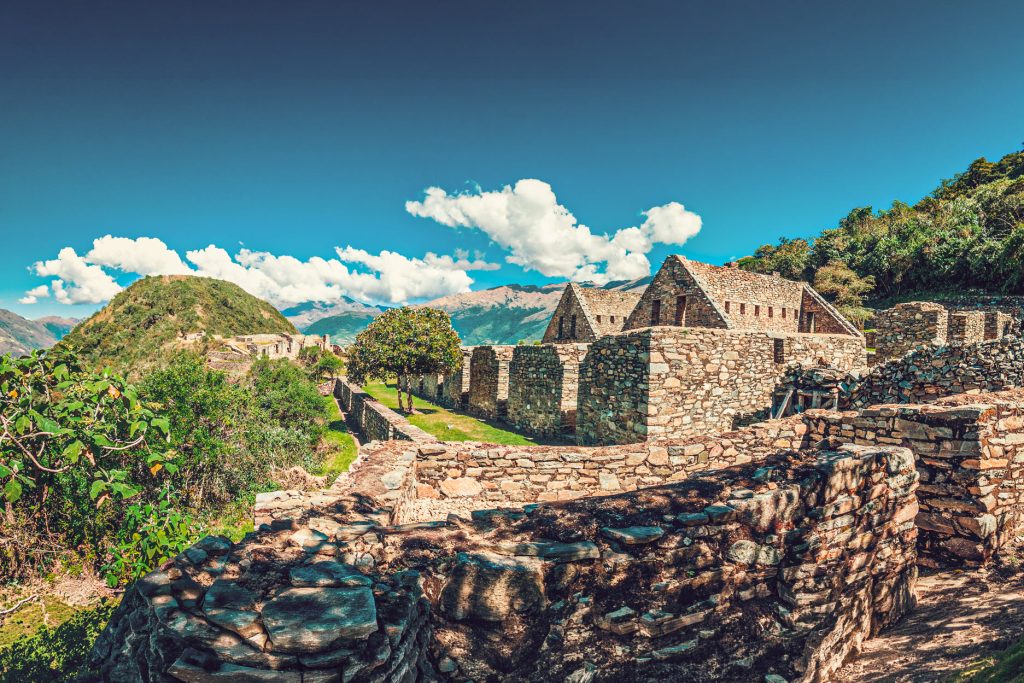
By the time travelers reached Machu Picchu, the journey itself had already done half the work. The isolation, altitude, and physical effort created a sense of arrival long before the famous stone walls came into view.
Machu Picchu wasn’t placed at random. It sits at a geographic and spiritual crossroads, surrounded by sacred peaks and wrapped in cloud forest. The road leading toward it was part of the experience and acted as an intentional transition from the everyday world to something more ceremonial.
Which explains why arriving on foot still has a different impact than arriving by train.
The Silence Is Part Of The Architecture
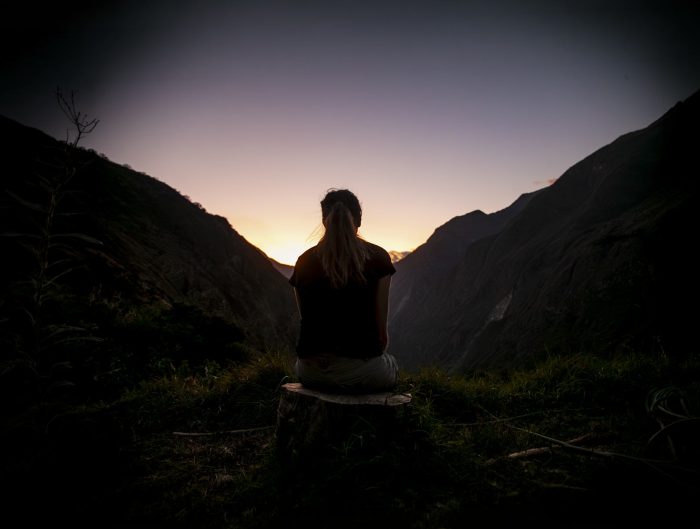
One thing modern hikers often notice is how quiet these routes feel. No roads. No towns. Long stretches where the only sound is wind, water, and the occasional deep sigh from someone adjusting to the altitude.
That silence isn’t accidental. The Incas valued separation between the everyday and the ceremonial. Approaching sacred sites required effort, isolation, and time to think. The road itself was part of the ritual.
It still works. A few days on these trails has a way of rearranging your priorities.
Why This Route Still Matters Today
These trails aren’t just archaeological leftovers. They’re active reminders of how deeply the Incas understood their environment. Every bridge location, every staircase, every rest stop was chosen with purpose.
Hiking here today means more than checking off a bucket-list trek. It means stepping into a network that once moved armies, fed cities, and held together an empire without money, wheels, or writing.
That kind of efficiency earns respect, oh and maybe a blister or two.
Walking The Road Instead Of Reading About It
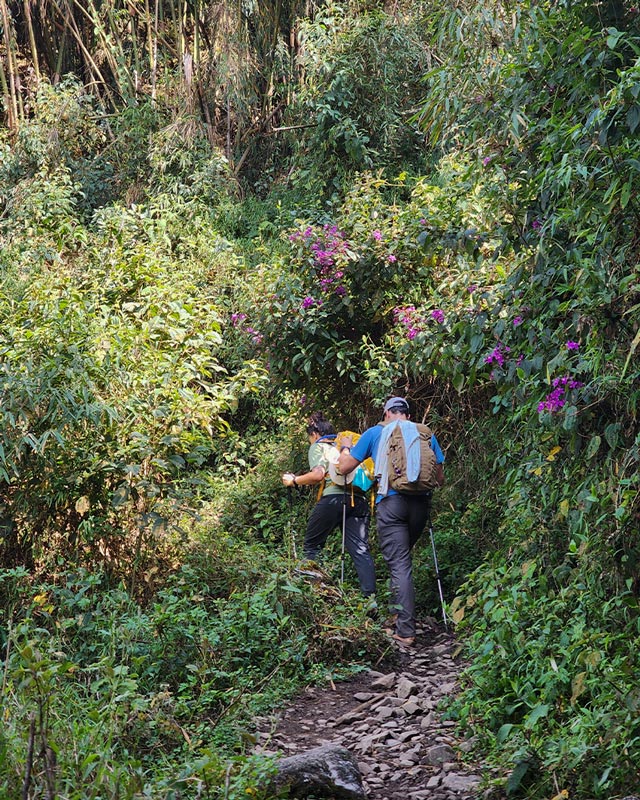
It’s easy to admire Inca engineering from photos or museum displays. It’s very different to feel it under your boots. The angles of the steps. The way the trail hugs the mountain. The silence that makes you realize just how remote this route still is.
There’s something quietly persuasive about that experience. Once you’ve walked an ancient road built to last forever, it’s hard not to want more of it. More trails. More passes. More nights falling asleep knowing tomorrow involves another stretch of perfectly placed stone.
Some roads don’t just connect places. They connect eras. And this one still does, one hiker at a time.

Leave A Reply