
Choquequirao isn’t the kind of trek people do on a whim. It’s long. It’s tough. It’s spectacular. And if timing were a personality trait, Choquequirao would be extremely opinionated.
Pick the right month, and you’ll enjoy clear skies, empty trails, and ruins that feel like they belong to you. Pick the wrong one, and you’ll encounter mud, clouds, and a crash course in how quickly weather can ruin a good mood.
So, when is the best time to hike the Choquequirao Trek? Let’s break it down properly as we look at the weather, seasons, crowds, trail conditions, and a few hard-earned tips that make the difference between “epic adventure” and “character-building experience.”
Table of Contents
Why Timing Matters On The Choquequirao Trek
This isn’t a casual stroll to a pretty lookout spot. The Choquequirao Trek is a multi-day hike through deep canyons, high passes, exposed trails, and remote terrain. Weather doesn’t just affect the view. It affects safety, comfort, and how much you enjoy each day on the trail.
Rain turns steep climbs into slip-and-slides. Clouds hide the ruins until noon (or even all day). Heat in the canyon can be brutal if you’re hiking at the wrong time of year.
In short: timing matters more here than on most treks through the Andes.
Understanding Choquequirao’s Seasons
Peru’s Andes have two main seasons that matter for trekking: the dry season and the wet season. Simple in theory. In reality, there are nuances, and Choquequirao loves nuance. Let’s get a closer look.
Dry Season: May To September
The Most Popular Time To Hike Choquequirao
If you’re looking for the safest, clearest, most predictable conditions, this is it.
What to expect:
- Mostly dry trails
- Clear skies and dramatic views
- Cool mornings and nights
- Strong sun during the day
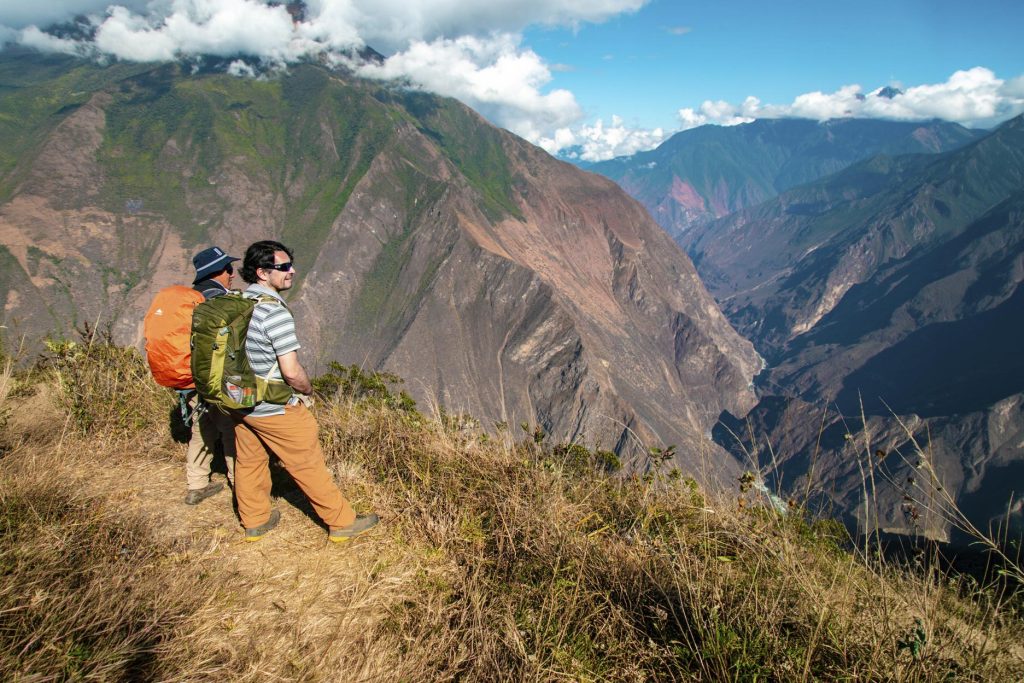
This is peak trekking season in the Andes, and for good reason. The Apurímac Canyon looks unreal under blue skies, and the ruins often glow in the afternoon light.
The downsides:
- Nights can get cold, especially in June and July
- Slightly more trekkers (though “crowded” is still a stretch here)
- Campsites feel chilly after sunset
Best dry-eason months:
- May: Excellent weather and greener landscapes after the rains
- June & July: Clear skies, colder nights, classic trekking conditions
- August: Dry and bright, but windier in high sections
- September: Warmer days, fewer trekkers, still mostly dry
If you want the safest bet, May or September hit the sweet spot.
Wet Season: November To March
Beautiful, Brutal, And Not For Everyone
The wet season is when Choquequirao shows its wild side. Rain is frequent, clouds roll in fast, and the trail demands respect.
What to expect:
- Regular rain, especially in the afternoons
- Lush, green landscapes
- Fewer trekkers (sometimes almost none)
- Muddy, slippery sections
The big risk? January and February are the peak rainy months. Landslides are more likely, river crossings flood, and visibility can vanish quickly.
This isn’t the season for first-time trekkers or anyone who hates wet socks. In fact, many tour operators won’t take hikers on the trail during the worst months because they believe the conditions are simply too dangerous.
That said, for experienced hikers who don’t mind rain and want solitude, the shoulder months can still work.
Shoulder Season: April And October
The Smart Middle Ground
These months often deliver the best balance between weather and crowds.
In April you can expect:
- Rains fading away
- Greener trails
- Fewer people than in peak season
- Occasional showers, but they’re manageable
And in October:
- Dry season is ending
- Warmer nights
- Good visibility most days
- Early rains are possible late in the month
If flexibility is your friend and you can travel when you like, shoulder season is where Choquequirao really shines. The route is still pretty quiet at this time of year, too, so that’s another win for these two months.
Month-By-Month Breakdown
Take a look at this quick recap to see every month at a glance;
- January–February: Heavy rain, muddy trails, high risk. Not recommended.
- March: Rain begins to taper off, but trails can still be rough.
- April: Excellent option. Greener landscapes, improving weather.
- May: Prime conditions. One of the best months overall.
- June: Dry, clear, cold at night. Fantastic views.
- July: Peak dry season. Cold mornings, brilliant days.
- August: Dry but windier. Still a solid choice.
- September: Warmer days, fewer hikers, great balance.
- October: Good conditions early, rain increases later.
- November: Rain returns. Trekking becomes unpredictable.
- December: Wet season is fully underway. Not ideal.
Best Time Overall To Hike Choquequirao
If we had to narrow it down:
- Best Overall: May and September
- Best For Clear Views: June and July
- Best For Fewer People: April and October
- Best To Avoid: January and February
Choquequirao rewards patience and planning. The right month can completely change the experience.
Choquequirao Weather Tips That Actually Matter
- Start early, always: Morning weather is usually clearer. Clouds build fast in the afternoon, especially outside the peak dry season.
- Prepare for temperature swings: Hot canyon days. Cold mountain nights. Pack layers instead of guessing what to bring.
- Sun protection is non-negotiable: High altitude sun is intense, even when it’s cold, windy, and cloudy.
- Rain happens: Even in the dry season, short showers can pop up. A solid rain jacket earns its place in your backpack.
Crowds (Or Lack Of Them)
One of Choquequirao’s biggest draws is how quiet it is. Even in peak season, it feels remote. This isn’t a trek where you’re bumping into groups all day.
That said, dry-season weekends and June and July see slightly more traffic. If solitude is a priority, shoulder season midweek is the the best move you can make.
Why Planning Ahead Makes The Trek Better
Choquequirao isn’t a trek you want to wing. Transport, campsites, weather windows. It all adds up.
Having logistics handled by a tour operator in advance means:
- Better pacing
- Safer river crossings
- Proper acclimatization
- Less stress when conditions change
And when the trail throws surprises (which it will), experience matters.
Acclimatization Tips For The Choquequirao Trek
Altitude is one of the biggest factors that can make or break this trek. Choquequirao involves big elevation changes, long days, and arduous climbs, so giving your body time to adjust is non-negotiable.
Plan for at least two full days at altitude before starting the trek. Three is better if you’re coming from sea level. Time spent in Cusco, the Sacred Valley, or a mix of both helps your body adapt before the hard work begins.
During acclimatization days, keep things simple:
- Stay active with light walking, not intense hikes
- Drink more water than usual
- Eat small, regular meals even if your appetite dips
- Go easy on alcohol, especially in the first couple of days
- Visit a pharmacy for some altitude medication if necessary
Once on the trail, smart pacing matters more than fitness:
- Start hiking early when energy is highest
- Keep a slow, steady pace on long climbs
- Eat and drink consistently throughout the day (snacks matter)
- Speak up early if headaches, nausea, or fatigue creep in
Get acclimatization right, and the trek feels tough but rewarding. Rush it, and even perfect weather won’t make it enjoyable.
So, Is Choquequirao Worth The Effort?
Absolutely. This is one of the most rewarding treks in Peru with massive ruins, epic scenery, and a sense of discovery that’s becoming harder to find in the modern world.
But Choquequirao doesn’t forgive poor timing. Choose the right season, respect the terrain, and the trek delivers in a big way.
If the idea of tackling it with the right timing, support, and local expertise sounds appealing, that’s not an accident. The best experiences out here usually come down to good planning and smart decisions made before the boots hit the trail.
Choquequirao will still challenge you whenever you decide to visit. It just won’t fight you the whole way.

Leave A Reply