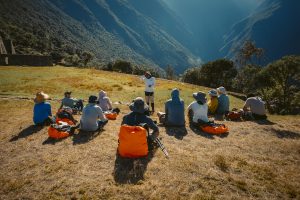

Some places in Peru put on a show. Choquequirao does not.
There’s no dramatic entrance, no big reveal five minutes after arrival, no crowd funneling you toward a “must-see” viewpoint. Choquequirao asks for commitment before anything else. Long days of walking. Steep trails. Legs that will definitely complain. And then, only once you’ve earned your way in, it quietly offers one of the most mysterious and beautiful pieces of Inca art ever created.
The Sacred Llamas of Choquequirao aren’t a statue, a carving, or a tidy wall tucked behind a rope. They are a mural built directly into the terraces on the mountainside, so subtle that many people walk right past it the first time.
And honestly? We don’t blame those who do. It’s not built to impress at first glance. It’s built to stay with you once you see it.
Table of Contents
A Quick Look At Choquequirao
Choquequirao is often introduced as “the sister of Machu Picchu,” which honestly feels a bit unfair to both of them. Yes, they share Inca roots. Yes, they’re both spectacular. But Choquequirao isn’t a polished masterpiece meant to be admired quickly.
It’s bigger than Machu Picchu. More remote. Far less restored.
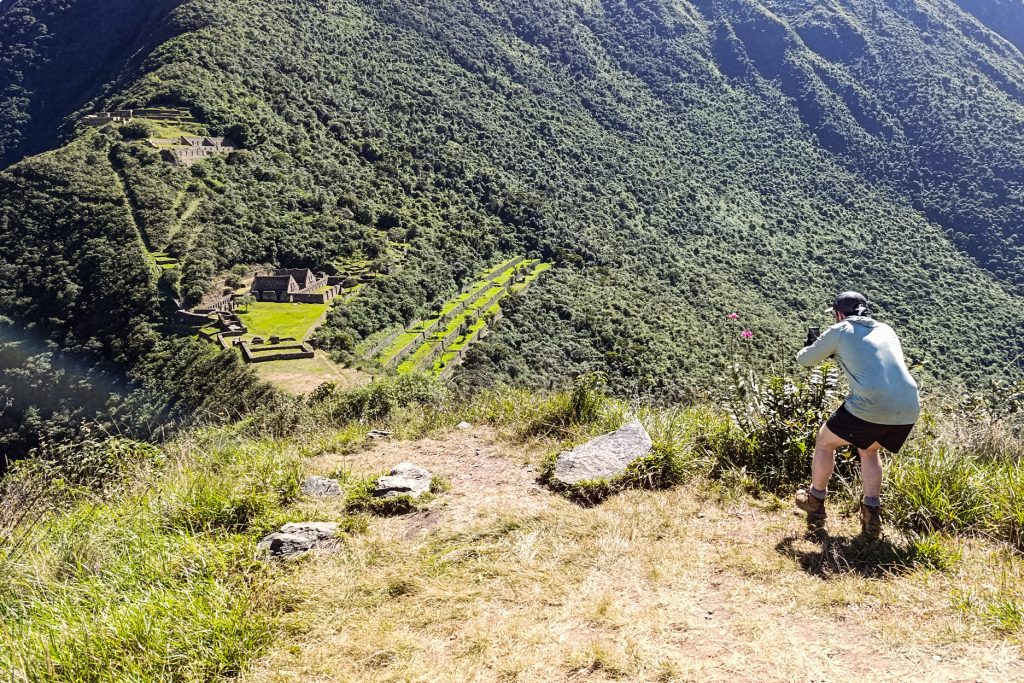
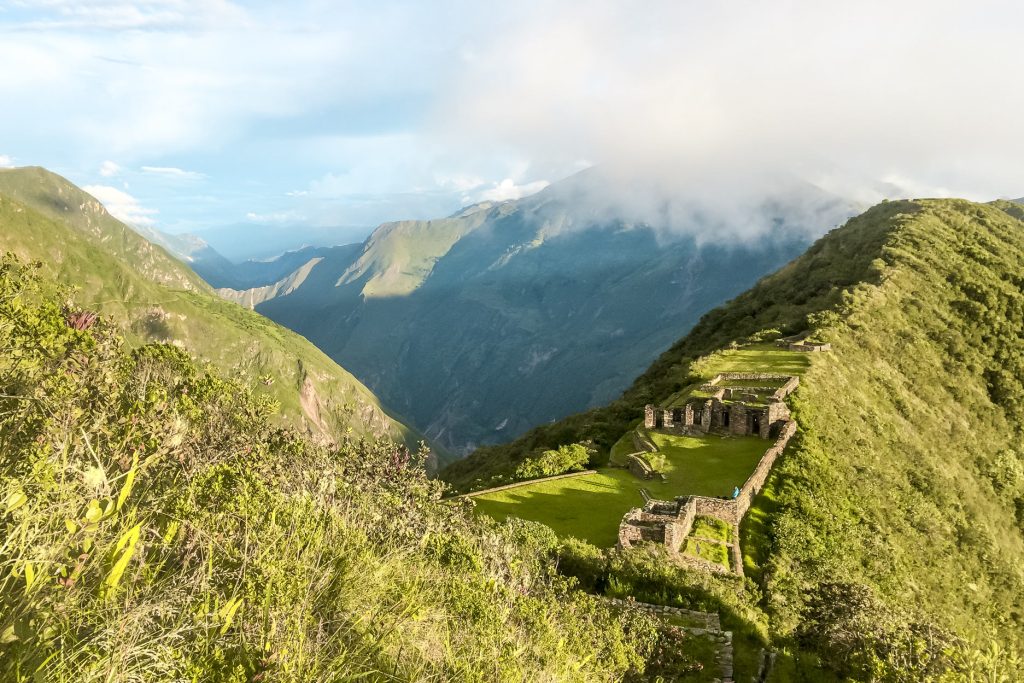
This is an Inca city that still feels like it belongs to the mountains. Stone structures fade back into the landscape. Jungle forces its way in from all sides. Silence hangs heavy in the air, broken only by wind, birds, and the occasional sound of someone questioning why trekking poles weren’t taken more seriously.
This rawness is what makes the Sacred Llamas hit so hard.
The White Stone Llama Terraces: Blink And You’ll Miss Them
Alright, they’re not that hard to see, but at first glance, the terraces look like terraces. Stone walls. Steep slopes. Nothing is screaming for attention.
Then someone points. “What’s that?”
Suddenly, the mountain rearranges itself.
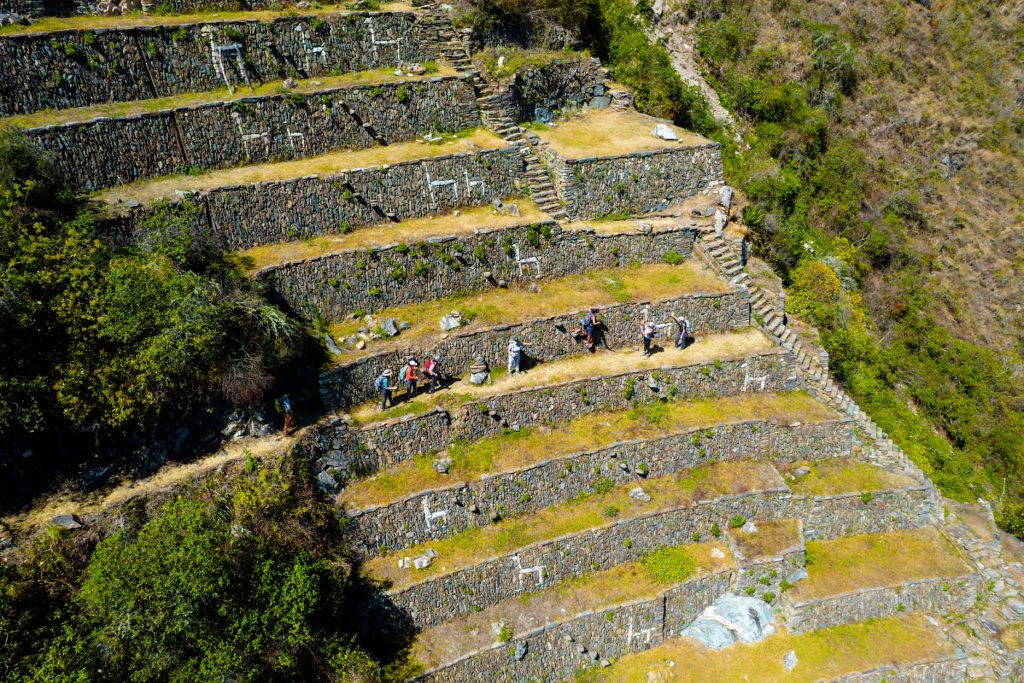
White stone figures appear, set carefully into the dark rock. One after another. A procession of llamas moving across the hillside, frozen mid-step. There are around two dozen of them, each slightly different, each placed with intention.
This isn’t art meant to be admired up close. It’s art designed to be seen from a distance, once you understand where to look. The effect is subtle, elegant, and completely unlike anything else in the Andes.
It feels less like discovering a monument and more like being let in on a little secret.
Where The Sacred Llamas Are Hidden Within Choquequirao
The Sacred Llamas aren’t tucked away in a temple or protected behind stone walls. They live out in the open, on a steep hillside made up of agricultural terraces.
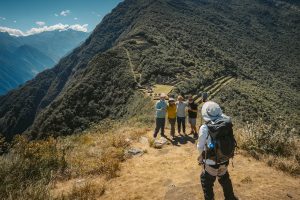
Specifically, they’re set into the retaining walls of the terraces below the main ceremonial and residential areas. You don’t stumble on them while wandering between buildings. You see them from across the slope, once you’ve stepped back far enough to take the whole mountain in.
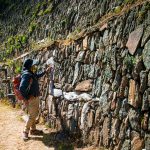
Prefer to see them up close? You can do that, too. From the main plaza, head south along a cobblestone road. Despite there being no signage, the route is clear. The llamas come into view after just a few minutes of walking, embedded into the walls, standing loud and proud.
Why The Inca Put White Stone Llamas On A Mountain In The First Place
Llamas weren’t decorative animals in the Inca world. They were essential.
They carried goods across the empire. They provided wool for clothing. They played a role in ceremonies and offerings. Entire trade networks depended on them. If something mattered to the Inca, llamas were probably involved.
Placing them here, on a steep, highly visible mountainside, was most likely a statement.
Some researchers believe the mural represents a ceremonial procession. Others suggest it’s tied to agricultural cycles, water, or offerings to the surrounding peaks. There’s even the thought that the white stone of the llamas symbolizes rain, fertility, or spiritual balance.
What’s clear is this: the mural wasn’t made to be obvious. It was made to be meaningful.
How The Sacred Llamas Were Built (And Why That’s So Impressive)
At first glance, the llamas look simple. White shapes against dark stone. Clean lines. No extra decoration.
But the technique behind them is anything but simple.
Each llama is made from carefully shaped white stones set directly into the terrace walls. The stones were selected for contrast, cut to fit tightly, and placed so they would remain visible from a distance among the darker stones around them.
The alignment is deliberate. The spacing is consistent. The figures follow the natural angle of the terraces, which means the design had to be planned before the walls were even finished.
This wasn’t an afterthought. It was part of the original design, and it’s still holding together centuries later.
A Mural That Rewards The Patient, Not The Rushed
The Sacred Llamas don’t give you a wave and say, “Hey, look over here!” No signs are pointing to them. No platforms to observe them. No “stand here for the best photo” instructions.
You have to slow down. You have to look.
And that only really happens when you’ve been walking for days, when your world has shrunk to the rhythm of the trail, and when distractions have been replaced by stone, sky, and the sound of your own breath.
This is why Choquequirao and its white llama terraces don’t work as a shortcut destination. It’s not meant to be rushed, and it doesn’t reward surface-level attention. It rewards trekkers.
The Trek Is More Than Just Transportation To The Site
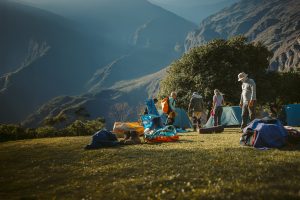
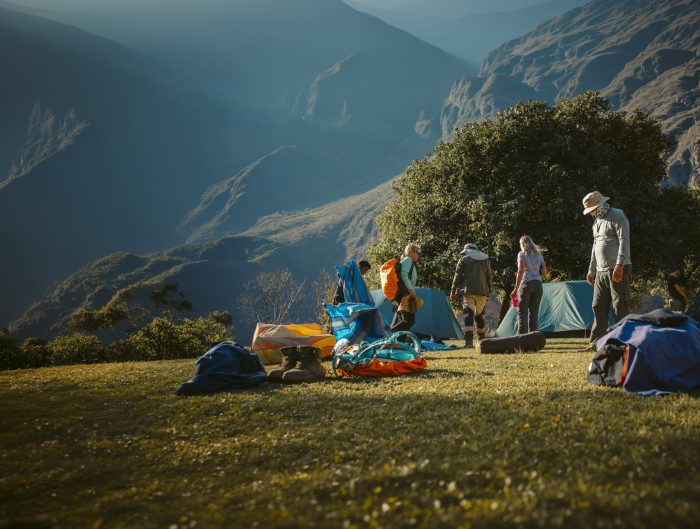
Reaching Choquequirao is a multi-day commitment. Trails drop deep into canyons and climb relentlessly back out. Camps are simple. Mornings start early. Afternoons stretch long. And that’s where the magic happens.
By the time the site appears, the noise of daily life is gone. Phones barely matter anymore. Time moves differently. You’re paying attention in a way that’s hard to fake.
When you stand across from the llama terraces in that state of mind, they don’t feel like ruins. They feel intentional. Alive. Still doing their job centuries later.
This is exactly why doing the trek properly matters. The journey shapes how the place is experienced.
Why So Few People Know About The Sacred Llamas
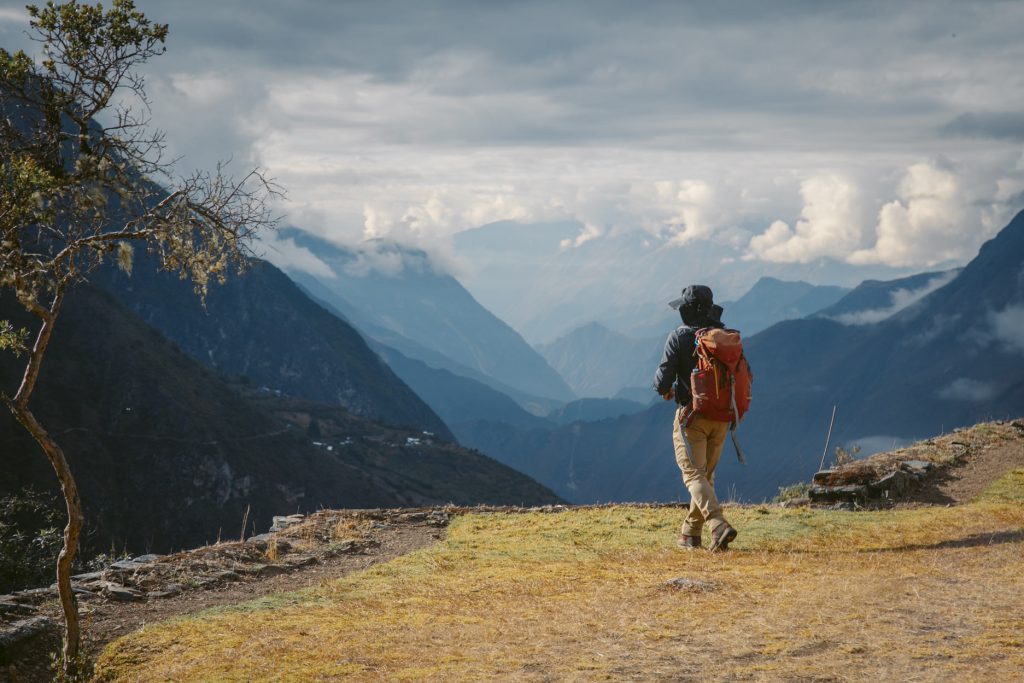
Despite being one of the most unique features of any Inca site, the llama mural doesn’t always get much attention. Mostly because Choquequirao itself remains under-visited due to its remoteness and hard-to-get-to nature. And partly because the mural doesn’t always jump out unless someone knows where to look.
It’s a reminder that the best experiences aren’t always the loudest ones.
With the right route, the right pace, and the right guidance, Choquequirao opens up in layers. Architecture. History. Art. Landscape. Meaning. Miss one of those layers, and the place still impresses, but it doesn’t make the full impact.
Standing There Changes The Way You See Ancient Art
There’s something deeply grounding about seeing art that was built to last, not to perform.
No crowds. No background noise. Just stone embedded in stone, quietly doing what it has done for centuries.
The Sacred Llamas don’t ask for your attention. They don’t compete for it. They simply exist, waiting for the people who are willing to come far enough to notice them.
And when you finally do notice them, it feels personal. Like the mountain trusted you with something.
When Is The Best Time To See The Sacred Llamas
The llamas are always there, but seeing them clearly depends on light, weather, and timing.
Dry season months (May-September) tend to offer the best visibility. Clear skies make the contrast between the white stone and dark terrace walls much sharper, especially in the morning and late afternoon when the sun hits the slope at an angle. One challenge? Cold evenings and mornings at camp and on the trail.
If you do intend to travel during wet season (November-March), be aware that trail conditions might be slippery, so take extra care when making your way over to the llamas. Cloud cover doesn’t ruin the experience, but it does soften it. The best bit about all the rain? The land is lush and green, making for some impressive photos.
If you want the best of both worlds, think mainly clear skies and some lively landscapes, the shoulder months (April and October) are a top choice.
Some Places Keep Their Best Stories For Those Who Make The Effort
Choquequirao doesn’t give everything away at once. Neither do the Sacred Llamas.
They reward effort. Curiosity. Patience. The willingness to go a little further than most people are willing to go.
That’s what makes seeing them so unforgettable.
And that’s why this is the kind of experience that only happens on a true trek. One where the journey isn’t something to rush through, but something that quietly prepares you for what’s waiting at the end.

Leave A Reply