

Choquequirao is no simple walk in the park. It’s not a casual stroll with a scenic viewpoint at the end. It’s big, remote, demanding, and wildly rewarding. Often called Machu Picchu’s quieter but tougher alternative, this trek is for travelers who want real adventure, real history, and real bragging rights. But here’s the thing most people underestimate: the tour operator matters just as much as your fitness level.
So, here’s the deal. This is not the trek to cut corners on.
When you’re days from the nearest road, hiking steep Andean trails, crossing rivers, and camping at a pretty high altitude, the difference between the best tour operator for the Choquequirao Trek and a mediocre one is the difference between an unforgettable experience and a long list of regrets and complaints. Sure, you’ll have tales to tell either way, but we’re sure you’d much rather the first.
This guide breaks down exactly what to look for, without fluff, jargon, or pretending that Choquequirao is easy.
Table of Contents
Why Choosing The Right Operator Actually Matters Here
Some treks forgive poor planning. Choquequirao does not. At all.
This route is long, steep, and remote. There are no cafes, no hotels, and no backup plans waiting around the corner. Every detail (food, mules, camps, guides, safety protocols) needs to be handled properly before the first step is taken.
A strong operator doesn’t just “organize a hike.” They manage risk, pace, comfort, and morale for days on end in challenging terrain. That’s a big job, and not everyone is up to it (even if they say they are).
What A Good Operator Does Before The Trek Even Starts
The trek doesn’t begin when you hit the trailhead. It starts weeks earlier, sometimes before you even realize it.
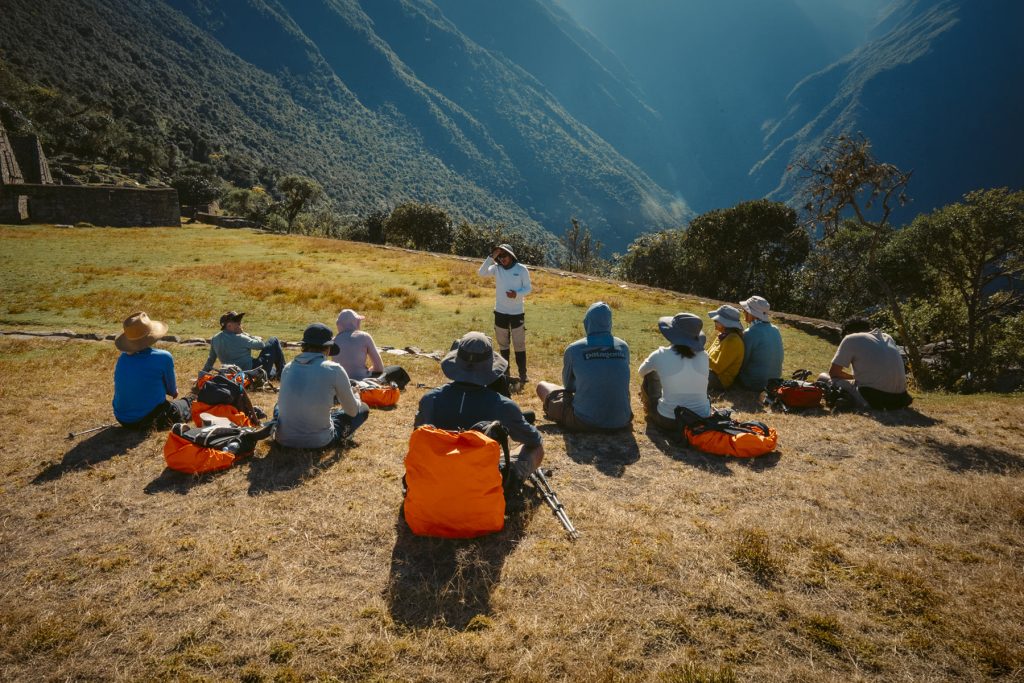
A good Choquequirao tour operator is already working behind the scenes while you’re still googling which boots to buy (don’t forget to wear these in, by the way). They’ll send clear, practical information well ahead of time. And we’re not talking vague “be prepared” emails, but real guidance, like what to pack, what not to bring, how cold it actually gets at night, and how to train without turning your life upside down.
You should also expect:
- A proper pre-trek briefing, not a rushed chat the night before
- Honest altitude advice based on the route, not generic warnings
- Clear answers to questions (even the slightly anxious ones)
This early communication does two things. First, it sets expectations. Second, it quietly reassures you that you’re not walking into chaos. By the time the trek starts, you should feel informed, prepared, and calm. Not confused and mildly panicked in a hotel room repacking your bag at midnight.
Safety Isn’t A Buzzword On This Trek
If an operator is vague about safety, that’s your cue to walk away. Here’s why it matters so much.
Qualified Guides Who Know The Route
Choquequirao isn’t a trail you want navigated by someone learning as they go. Look for:
- Licensed, experienced guides
- Specific experience on the Choquequirao route (not just “Peruvian treks”)
- Solid English communication if that matters to you
A great guide does more than point out ruins and have a laugh as they walk. They read the group, adjust pacing, spot altitude issues early, and make smart calls when conditions change.
First Aid And Emergency Planning
Ask direct questions. Good operators will answer clearly.
- Do guides carry first aid kits?
- Is there oxygen available?
- What’s the evacuation plan if someone gets injured or sick?
If the answers sound improvised, that’s a red flag.
Logistics: The Dull Stuff That Makes Or Breaks The Trek
Logistics may not sound exciting, but this is where quality operators really shine.
Mule Support And Load Management
Choquequirao requires mules to carry all the gear. Period. Ask yourself and the tour operator:
- Who owns them?
- How much weight do they carry?
- Are they treated well?
Ethical operators limit the mule’s loads and work with trained muleteers who understand the terrain. This affects not only animal welfare but also your comfort and safety.
Campsites And Daily Distances
Some itineraries look impressive on paper but feel brutal on the trail.
- Distances should be challenging but realistic
- Camps should be well-chosen for rest, water access, and climate
- Days should be balanced, not designed to rush you through the experience
Smart pacing is one of the biggest differences between a quality trek and a sufferfest.
Food Is Fuel, Not An Afterthought
You burn a serious amount of energy on this trek. Food matters.
Strong operators invest in:
- Real cooks, not just “whoever’s available”
- Hot meals at camp
- Enough calories to keep people moving with plenty of snacks on offer
- Dietary preferences and allergies handled properly, not awkwardly
If an operator can’t clearly explain what meals look like, expect basic, repetitive food, and probably not enough of it.
Gear Quality: The Stuff You Don’t Want Failing On Day Four
Fewer things can really put a dampener on your adventure than a broken zipper or a leaking tent halfway through a remote trek.
This is where quality operators quietly stand apart from the rest. They invest in gear that’s designed for real conditions, not just decent weather and a bit of good luck.
Look for operators who use:
- Sturdy tents that handle wind and rain properly
- Sleeping systems that are actually warm at altitude
- Dining setups that feel functional, not miserable
Good gear doesn’t need to be flashy. It just needs to work, and do so consistently, night after night. When it does, you sleep better, recover faster, and enjoy the trek more. When it doesn’t, even strong hikers start questioning their life choices.
On a route like Choquequirao, reliability matters more than luxury.
Weather, Seasonality, And How Operators Adapt
Choquequirao doesn’t care about your itinerary and what you’ve got planned.
Weather in the Andes can shift quickly, especially on long, exposed routes like this one. Good tour operators plan for that reality rather than pretending conditions are always perfect.
That means:
- Adjusting daily distances when rain makes trails slow or slippery
- Shifting camp locations if the wind or weather turns unpleasant
- Building flexibility into the itinerary instead of forcing a rigid schedule
Seasonality matters too. The experience in the dry and shoulder seasons is very different from the wet months, and strong operators explain those differences clearly. They don’t oversell one season or undersell the challenges of another. They help you choose the timing that fits your priorities, whether that’s clearer skies, fewer people, or slightly greener landscapes.
Adaptability is one of the biggest signs of quality. When plans change calmly and confidently, you know you’re in good hands.
And here’s a little insider info. Good operators probably won’t take you on the trail in the wettest of months due to dangerous conditions. Yep, they’re always looking out for your health and safety, and that really matters when you’re in someone else’s hands.
Group Size Makes A Bigger Difference Than You Think
Choquequirao is about immersion, not crowd control.
Smaller groups mean:
- Better pacing
- More guide attention
- Quieter camps
- A more personal experience at the ruins
Large groups often move more slowly, feel more chaotic, and lose that remote magic people come here for in the first place.
Experience At The Ruins Should Feel Earned
After days of difficult hiking, reaching Choquequirao should feel meaningful, not rushed.
Look for operators who:
- Spend real time exploring the site
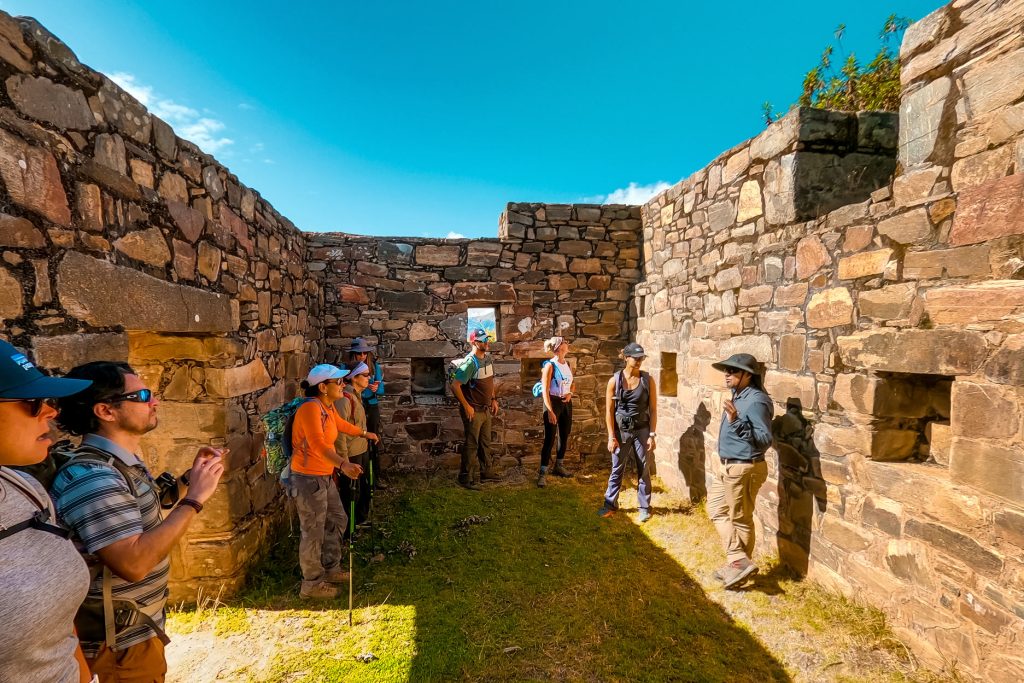
- Explain the history clearly and enthusiastically
- Visit less-seen sections, not just the main plaza
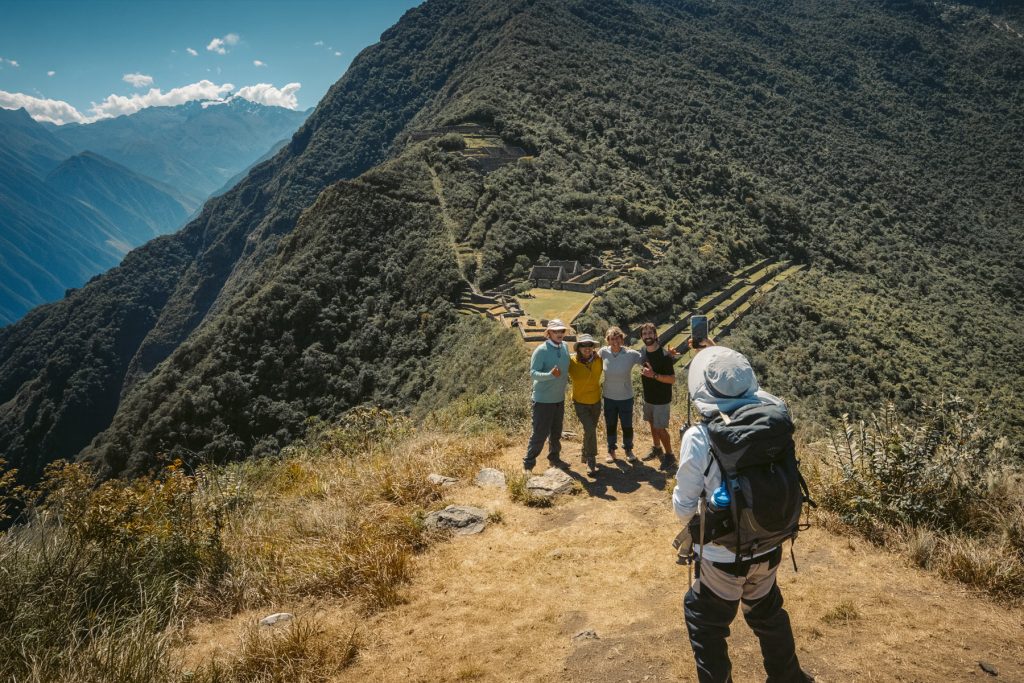
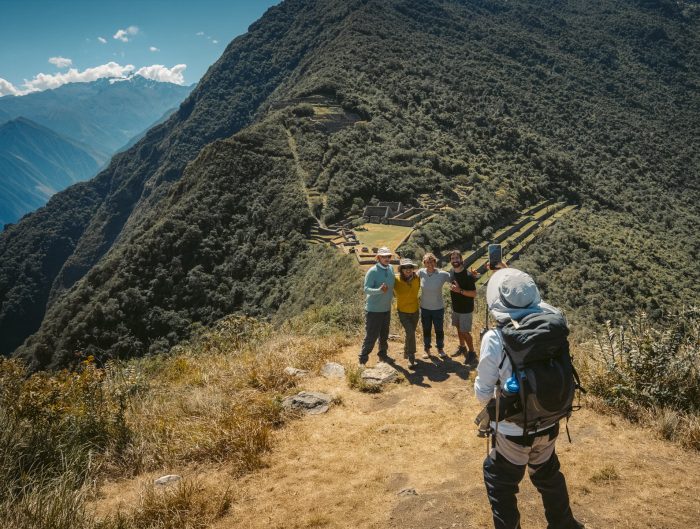
This is one of the largest archaeological sites in the Andes. If the itinerary treats it like a photo stop, something’s off.
Transparency Tells You Everything
Quality operators don’t hide details. You should 100% expect:
- Clear itineraries
- Clear inclusions
- Clear explanations of what’s difficult and why
Be cautious of anything that sounds too easy, too cheap, or too vague. Choquequirao is demanding by nature. Anyone pretending otherwise is selling a fantasy.
Red Flags To Watch For When Comparing Operators
When everything sounds great, it helps to know what doesn’t sound right.
A few warning signs worth paying attention to include:
- Prices that seem unrealistically low: Choquequirao is costly to run properly. If the price feels too good to be true, something is likely missing, which usually means safety, food quality, or fair wages.
- Vague itineraries: “Day of hiking” is not an itinerary. You should know the details about distances, camps, and general elevation changes.
- No clear emergency plan: If safety questions are brushed off or answered vaguely, that’s a serious concern.
- Overpromising comfort or ease: This trek is challenging. Operators who pretend otherwise are setting you up for disappointment.
- Poor communication before booking: If it’s hard to get clear answers now, it won’t improve once you’re days from the nearest road.
Trust your instincts. Professional operators are confident enough to be honest.
Price: Cheap Usually Means Corners Were Cut
This trek costs more to run properly. There’s no way around it.
Fair pricing reflects:
- Experienced guides
- Ethical mule treatment
- Good food
- Solid equipment
- Safety planning
Paying a bit more upfront often means fewer problems, better memories, and a trek that feels challenging in the right ways, not stressful in the wrong ones.
Reviews Are Helpful If You Read Between The Lines
Look beyond the star ratings.
- Do people mention guides by name?
- Do they talk about food, safety, and organization?
- Are challenges described honestly?
Consistent praise for logistics and staff is a very good sign. Repeated complaints about pacing, communication, or food are not.
Who This Trek Is Really For
Choquequirao attracts people who want something deeper than a standard bucket-list hike. The right operator understands that and builds an experience around it. An experience that feels demanding but doable, remote but supported, and adventurous without being reckless.
If you want a trek where everything is quietly handled so you can focus on what matters, the mountains, the history, and the sheer scale of the journey, choosing the right team is the smartest decision you’ll make before lacing up your boots.
And when it’s done well, Choquequirao doesn’t just feel like a trek you completed. It feels like something you earned.

Leave A Reply